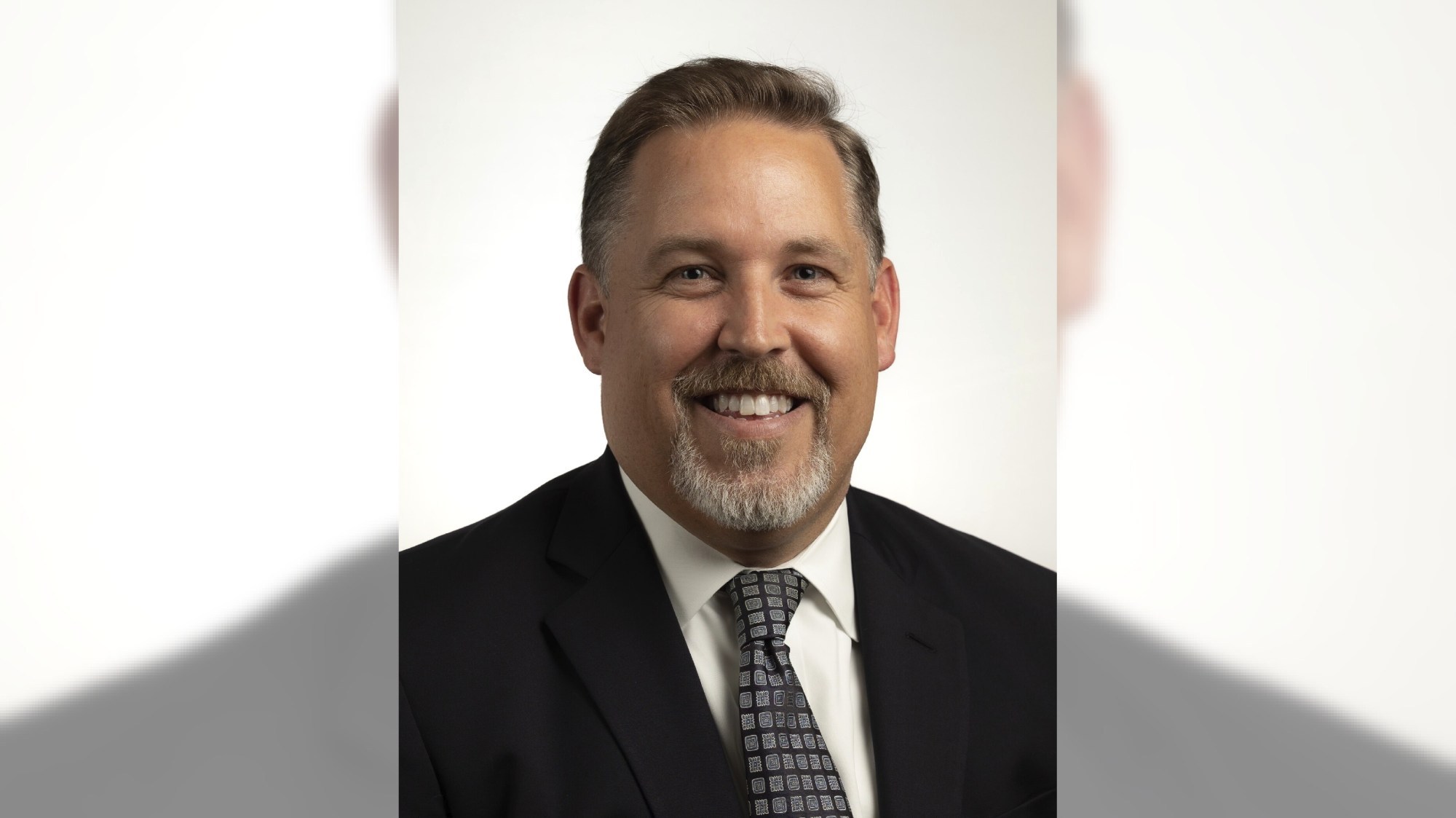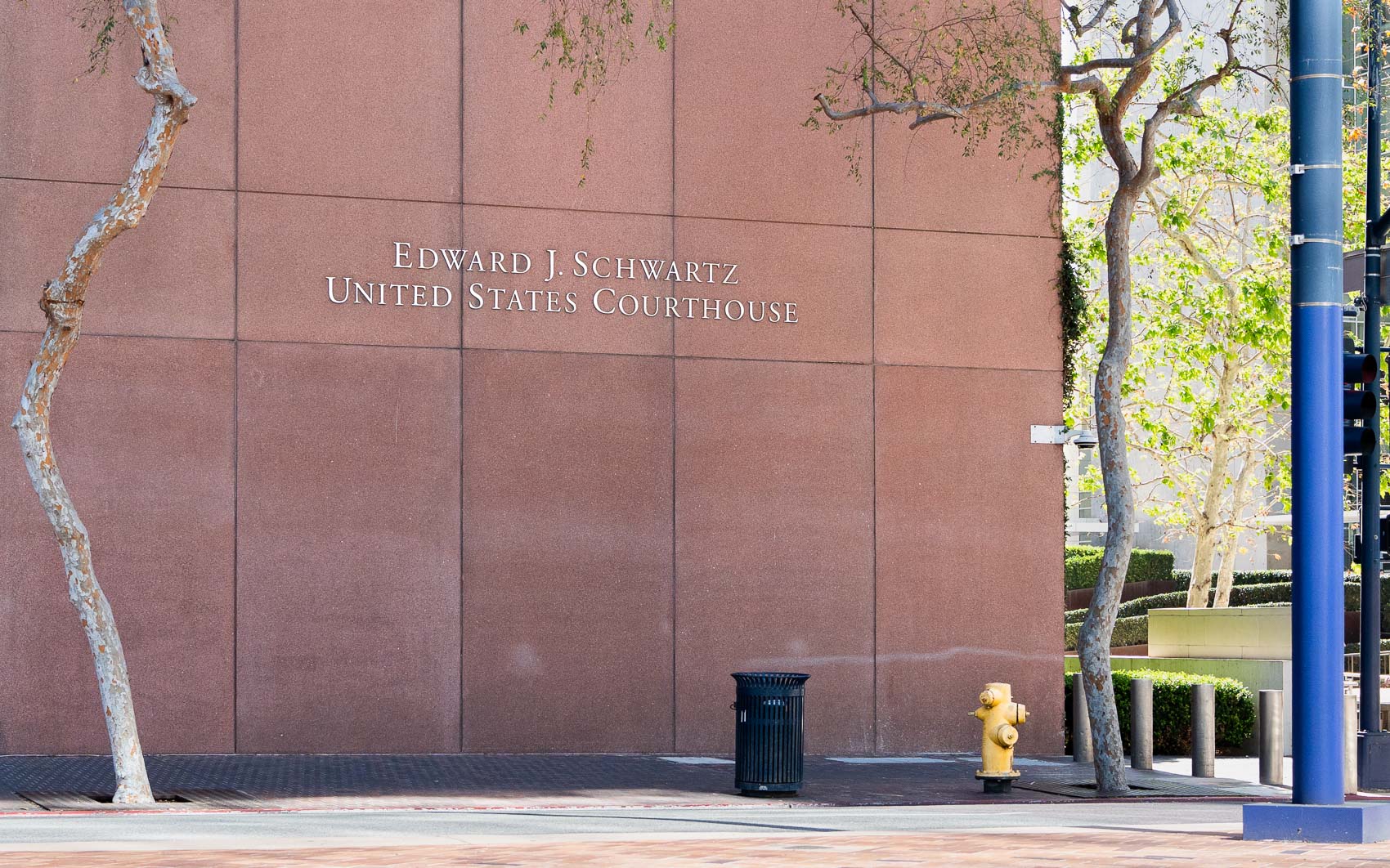
The death of Assistant U.S. Attorney Andrew Haden within the Edward J. Schwartz Federal Building represents more than a local tragedy; it marks a significant depletion of institutional memory for the Southern District of California (SDCA). As a 16-year veteran of the Department of Justice (DOJ), Haden’s career serves as a blueprint for the professionalization of federal prosecution in a high-stakes border jurisdiction.
Strategic Leadership in Transitional Eras
Haden’s tenure was defined by his role as a stabilizing force during administrative fluctuations. Serving as the acting U.S. Attorney in both 2023 and 2025, he bridged the gap between political appointments, ensuring that the district’s aggressive litigation posture remained unaffected by executive turnover. Managing one of the nation’s most active dockets requires a delicate balance of administrative oversight and tactical legal expertise—a role Haden fulfilled by overseeing hundreds of personnel and thousands of active cases.
The Southern District serves as a primary frontline for federal law enforcement, particularly concerning narcotics trafficking and organized crime. Haden’s dual stints in leadership ensured that these high-priority operations maintained momentum, providing the necessary continuity to navigate the complexities of federal-local jurisdictional coordination.
Prosecutorial Specialization and Human Rights
Prior to his executive roles, Haden’s leadership of the Violent Crimes and Human Trafficking Section highlighted his specialization in resource-intensive, sensitive litigation. This department requires intricate coordination with agencies such as the FBI and Homeland Security Investigations (HSI) to dismantle transnational criminal networks. Haden’s progression from General Crimes to section management reflects a deep-seated proficiency in the evidentiary standards required for complex conspiracy prosecutions.
His background as a U.S. Navy veteran further integrated him into San Diego’s civic fabric, aligning his professional objectives with the regional culture of public service. This cross-sectoral experience enhanced his credibility as a mentor to junior attorneys, a role that Current U.S. Attorney Adam Gordon identified as fundamental to the office’s internal morale.
Procedural Intersection and Facility Protocols
The investigation into Haden’s death, though occurring on federal property, underscores the standard procedural intersection between the San Diego Police Department (SDPD) and federal authorities. While a person familiar with the matter noted a suspected suicide, the official determination remains with the Medical Examiner. This distinction is critical for institutional closure and the formal conclusion of the investigative phase.
The discovery of a high-ranking official within a secure federal facility during non-standard hours may prompt secondary reviews of workplace wellness protocols and secure-access facility management. For the SDCA, the immediate challenge lies in redistributing a heavy caseload while maintaining the high standards of integrity Haden exemplified over his nearly two-decade career.