The Institutional Framework of the Nuremberg Unveiling
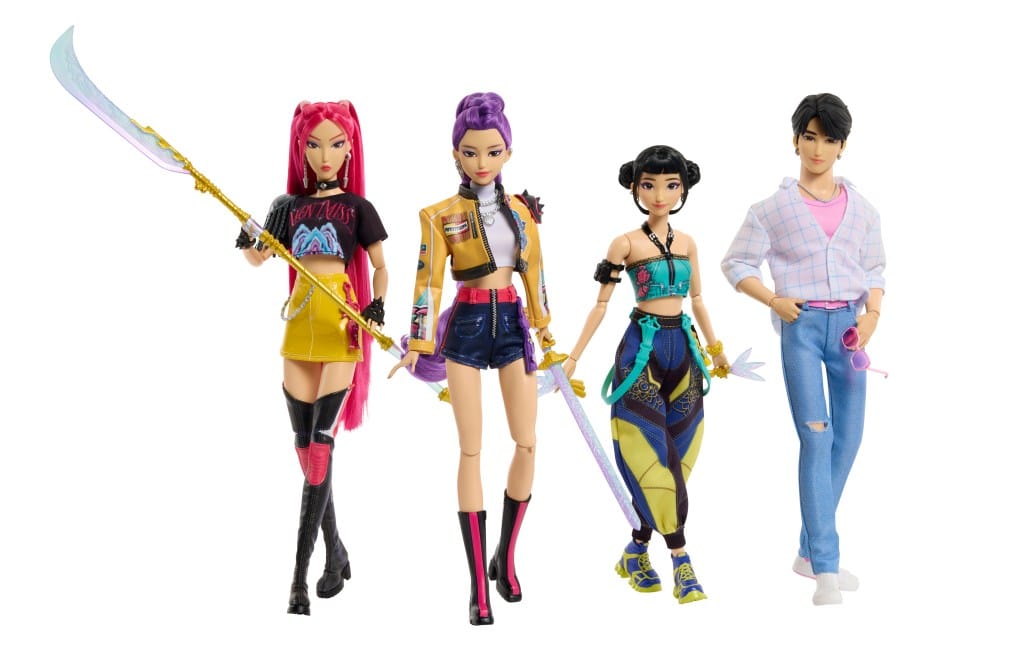
The recent announcement at the Nuremberg Toy Fair marks a significant consolidation of institutional interests between the digital streaming sector and the global toy manufacturing industry. Netflix, in collaboration with manufacturing giants Hasbro and Mattel, has formally unveiled a comprehensive merchandising strategy for the intellectual property KPop Demon Hunters.
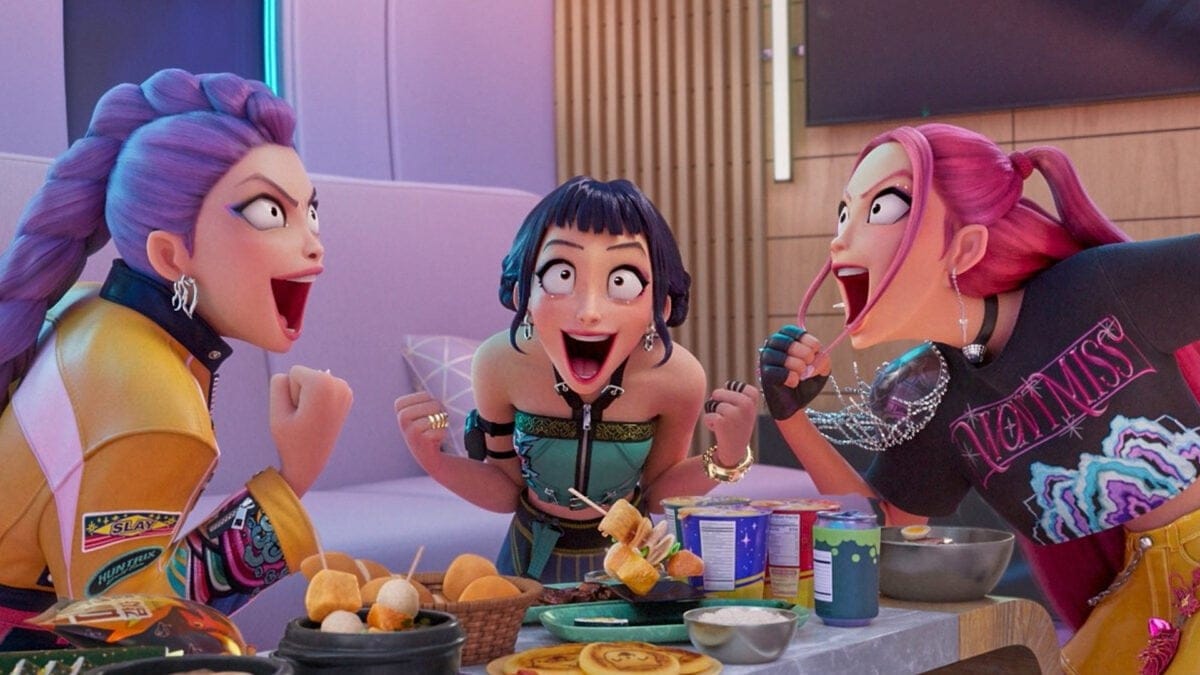
This development follows the property’s emergence as a primary cultural asset throughout 2025, necessitating a complex alignment of production schedules and retail distribution networks. The involvement of Sony Pictures Animation as the producing entity underscores a high-level strategic partnership designed to bridge the gap between digital content and physical consumer goods.
Structural Lag and the Merchandising Pipeline
The observation that the merchandising world has taken time to align with the success of KPop Demon Hunters highlights a standard structural lag inherent in global supply chains. The transition from an animated digital hit to a physical product line involves rigorous institutional processes, including safety certifications and manufacturing tooling.
While the property achieved significant visibility in 2025, the administrative and logistical requirements of the toy industry often necessitate a multi-month lead time for development. This lag period serves as a buffer during which corporate stakeholders assess the long-term viability of the intellectual property before committing extensive capital to mass production.
Multi-Lateral Licensing and Market Positioning
The inclusion of Lego, Hasbro, and Mattel within a single brand ecosystem represents a rare multi-lateral licensing framework. Traditionally, intellectual properties may align with a single primary manufacturer to maintain brand exclusivity and streamlined distribution.
However, the breadth of this rollout suggests a strategic move to saturate multiple consumer tiers simultaneously, from construction-based play patterns to traditional action figures and collectibles. This approach leverages the specialized manufacturing capabilities of each institution, ensuring that the property reaches diverse demographics through varied retail channels.
The Role of Sony Pictures Animation and Netflix
Sony Pictures Animation serves as the foundational creative institution, responsible for the production of the animated content that drives consumer demand. This institutional role is critical, as the quality and reach of the animation provide the narrative framework upon which all physical merchandise is based.
Netflix, acting as the primary distribution platform, provides the global infrastructure required to maintain the property’s visibility across international markets. The synergy between a prestige production house and a dominant streaming entity creates a robust environment for sustained intellectual property growth and commercial longevity.
International Trade Context and Global Distribution
The selection of the Nuremberg Toy Fair as the venue for this unveiling is a deliberate institutional choice, reflecting the event’s status as a central node in the global trade network. Such trade fairs facilitate direct interaction between content creators, manufacturers, and international retailers who manage regional distribution.
By utilizing this platform, Netflix and its partners signal a commitment to a globalized retail strategy that transcends specific regional boundaries. This institutional visibility is essential for securing the shelf space necessary to support a property described as a breakout sensation within the current pop culture landscape.
Administrative Processes in IP Monetization
The formalization of these partnerships involves complex administrative and legal frameworks that govern how intellectual property is utilized across different physical formats. These agreements must account for quality control, royalty distributions, and the protection of the original creative intent established by Sony Pictures Animation.
As these toys and merchandise items enter the market later this year, they represent the culmination of an institutional effort to monetize digital popularity through traditional retail sectors. This process illustrates the enduring importance of physical goods in the broader strategy of media conglomerates and streaming platforms.
Structural Significance of the K-Pop Narrative Influence
The thematic integration of K-Pop elements within a major animated production reflects a structural shift in how international cultural trends are integrated into Western media pipelines. This integration allows for a broader market appeal, bridging the gap between specific musical subcultures and general animated entertainment audiences.
The subsequent merchandising efforts are a direct response to this cross-cultural resonance, aiming to provide physical touchpoints for a digital phenomenon. The success of this strategy depends on the continued institutional support of the content and the efficient management of the retail rollout by the involved manufacturing entities.
Conclusion of the Initial Rollout Phase
The unveiling of the KPop Demon Hunters merchandise line serves as a conclusion to the initial market entry phase and the beginning of a long-term commercial cycle. With the backing of major toy manufacturers and global media platforms, the property is positioned to maintain its status within the competitive landscape of modern entertainment.
The move represents a sophisticated example of how institutional stakeholders can coordinate to capture the momentum of a breakout hit. As the rollout progresses, the focus will likely shift to maintaining brand consistency across the various product lines produced by Lego, Mattel, and Hasbro.