
Technical Parity and the Threshold of Digital Arbitration
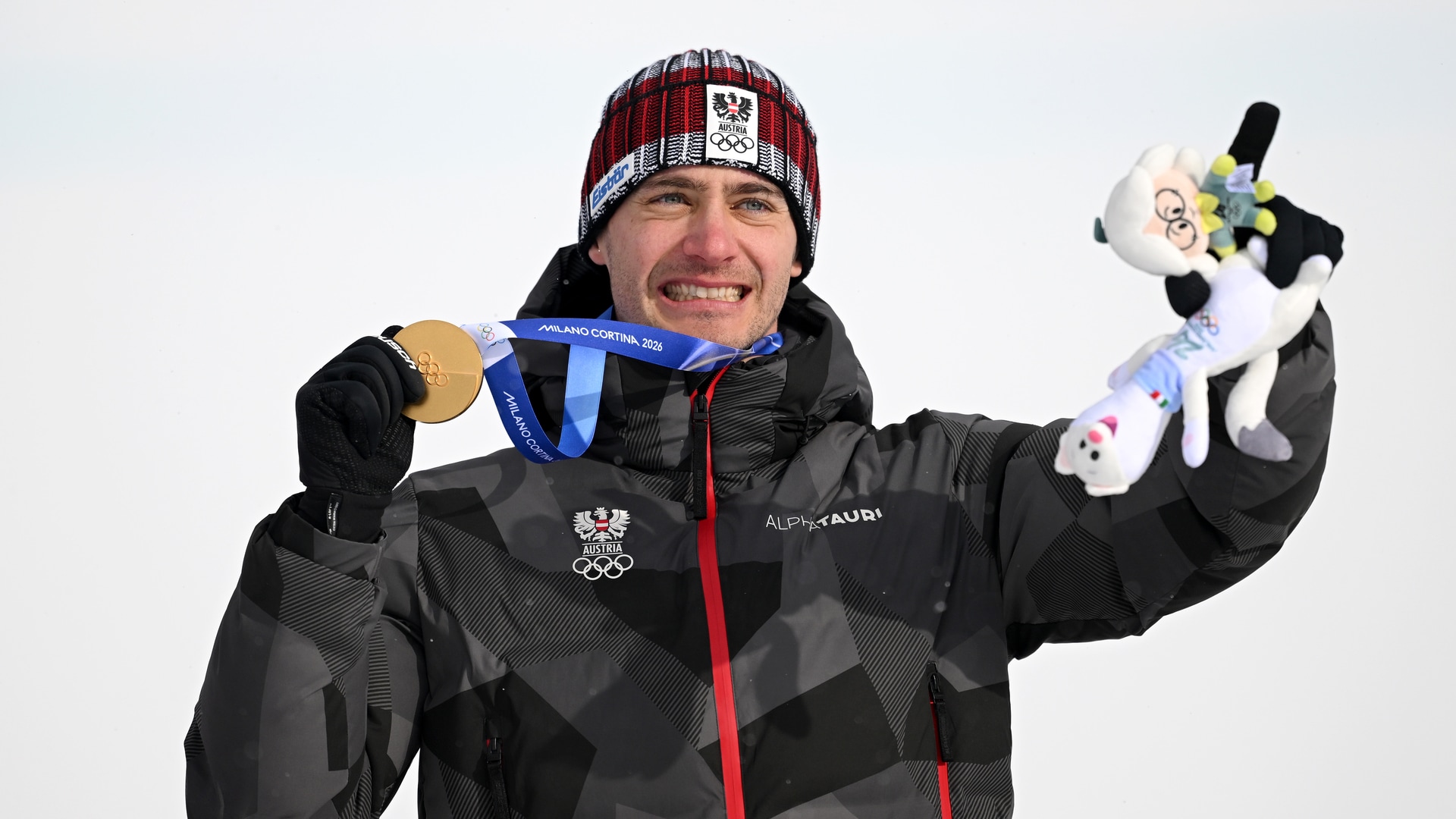
The Men’s Snowboard Cross Big Final at the Milano-Cortina 2026 Games served as a case study in the asymptotic limits of human performance. At the Livigno Snow Park, Austria’s Alessandro Hämmerle secured his second consecutive Olympic gold medal, defeating Canada’s Éliot Grondin by a margin of 0.03 seconds. This result highlights a rare technical deadlock; across two Olympic cycles (Beijing 2022 and Milano-Cortina 2026), the cumulative separation between these two protagonists stands at a mere 0.05 seconds, signaling a historic era of competitive equilibrium at the sport’s pinnacle.
Environmental Constraints and Strategic Execution
The high-altitude conditions at Livigno introduced significant volatility into the tactical landscape. Rolling fog compromised visual cues, shifting the competitive burden toward tactile feedback and memorized line selection. In this low-visibility environment, Hämmerle’s ability to maintain the ‘hole shot’ provided a decisive aerodynamic and psychological advantage. By dictating the pace from the front, he forced Grondin into high-risk defensive maneuvers and suboptimal lines. Furthermore, the atmospheric moisture necessitated precise base preparation, where Austrian technicians optimized wax for the final glide—the ultimate arbiter in a race decided by thousandths of a second.
Institutional Dominance and National High-Performance Frameworks
Austria’s 1-3 finish, with Jakob Dusek securing bronze, validates the structural efficacy of the Austrian Ski Federation (ÖSV). This double-podium result reflects a deep-seated investment in technical infrastructure and coaching expertise, allowing the nation to mitigate the inherent volatility of snowboard cross. By contrast, the Canadian narrative centered on the immense institutional pressure placed on Éliot Grondin. As the reigning world champion, Grondin carried the weight of Canada’s early-medal expectations. While his silver adds to a storied career, the recurring narrow deficit against Hämmerle introduces a complex psychological dynamic that will likely influence his sponsorship valuation and long-term legacy within the Canadian Olympic Committee (COC) framework.
The Economic and Technological Reality of the Photo Finish
The reliance on high-frequency digital timing underscores the detachment of modern officiating from human perception. For athletes, this precision means that micro-adjustments in the final ‘tuck’ or the timing of the reach at the finish line are now financially significant. For Hämmerle, the win solidifies his commercial viability as a legendary winter sports figure. For Grondin, the silver maintains his status as an elite global athlete but highlights the brutal reality of high-performance funding, where a 0.03-second gap can alter the trajectory of national grants and endorsement bonuses. This rivalry now stands as a premier marketing asset for the FIS and Olympic media rights holders, driving engagement in a discipline that demands absolute technical perfection under extreme duress.
Photo by sferrario1968 on Pixabay.