Executive Authority and the Institutional Response to Severe Weather
The institutional framework governing severe weather response was recently activated, focusing simultaneously on mitigating hazards posed by light winter conditions and providing mandated protections during a period of extended cold. Governor Ned Lamont announced the continuation of the state’s Severe Cold Weather Protocol, extending the executive directive to remain operational through at least noon on Sunday.
This action represents a direct exercise of executive authority within the established policy structure designed to protect vulnerable populations from extreme environmental conditions. The duration and scope of such protocols are not arbitrary; they are predicated on predefined thresholds related to forecasted temperatures, wind chill indices, and anticipated logistical challenges.
The Administrative Mechanisms of Emergency Protocol Extension
The extension of a Severe Cold Weather Protocol is a critical administrative step that triggers the continuity of essential governmental and partnered services. Institutionally, this mandate compels various state agencies—including emergency management and social service departments—to maintain heightened readiness and resource mobilization beyond typical operational parameters.
The primary function of the protocol is to ensure that temporary emergency shelters are available and accessible, often requiring coordination with municipal governments, local police jurisdictions, and non-governmental organizations to identify and open warming centers. Extending the protocol formally authorizes the sustained expenditure of resources necessary for heating, staffing, and managing these facilities.
Such extensions necessitate detailed inter-agency communication, ensuring that outreach efforts targeting unsheltered populations are not curtailed prematurely. The specific policy mechanism involves temporarily setting aside standard resource limitations and procurement rules to prioritize public health and safety against the backdrop of dangerous ambient temperatures.
Navigating Winter Weather Advisories and Logistical Challenges
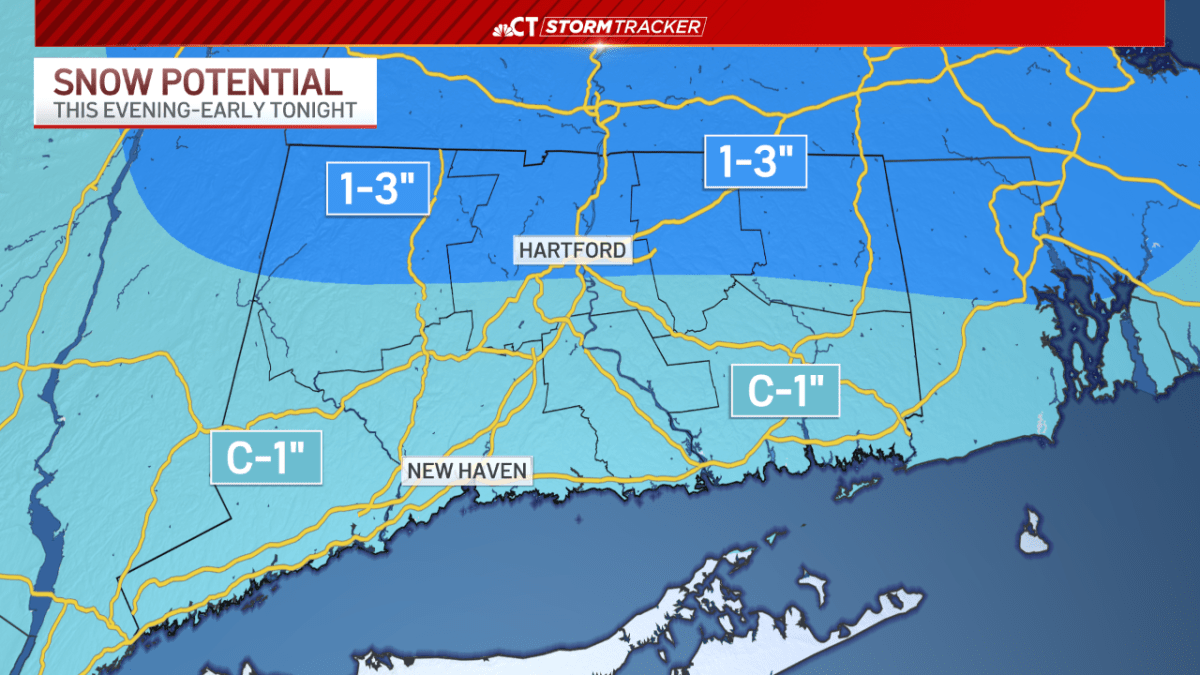
The necessity for the protocol extension aligns with separate meteorological warnings regarding impending travel hazards. A Winter Weather Advisory remains in effect for this evening and into the following morning. Advisories are issued when weather events are expected to cause significant inconvenience or hazards, but do not meet the criteria for more severe warnings, such such as a Winter Storm Warning.
The advisory specifically forecasts light snow and ice accumulation, leading to the expectation of slick spots throughout the night. Administratively, this alerts transportation and public works departments to initiate or maintain road treatment procedures, such as brine application or plowing, even for minor precipitation events. The goal is preemptive mitigation of transportation disruptions and associated accident risks.
The combination of persistent cold requiring the protocol extension and the immediate hazard of slick roads demonstrates a multi-layered governance challenge. Public safety requires both structural support (shelter access) and immediate logistical response (safe transit), often managed through the integrated communications and resource planning systems of state emergency services.
The Structural Importance of Continuous Public Information
Effective governmental response to public safety incidents, whether administrative (protocol activation) or logistical (road conditions), is highly dependent on uninterrupted, reliable information dissemination. This context underscores the significance of technical failures documented within the digital media pipeline.
The attempt to access or distribute local news programming, specifically Connecticut News via streaming, was explicitly documented to have resulted in a technical error identified as a “scrape failure.” Institutionally, local news platforms are critical components of the public safety architecture, serving as official conduits for real-time governmental alerts, school delays, and immediate advisories.
A “scrape failure” implies a breakdown in the automated process by which news aggregators, content distribution networks, or internal media systems harvest digital content. This interruption highlights a growing vulnerability in the modern media ecosystem: the reliance on complex technical interfaces for routine content delivery, particularly during times when consistent, 24/7 availability of information is essential for public adherence to official safety mandates.
Technological Fragility in the Crisis Communication Chain
The technical notation of a failed data scrape illustrates a structural impediment to informational continuity. In a media landscape increasingly dominated by automated indexing and distribution, a system failing to scrape data effectively means that crucial updates—such as the extension of the severe cold weather protocol or changes in road conditions—may not reach all intended aggregated platforms or downstream users immediately.
While the administrative function of the cold weather protocol is robust, its efficacy can be compromised if the accompanying communication infrastructure is subject to technical intermittency. Governmental bodies often rely on media partners to amplify official messaging, and any failure in the underlying technology represents a systemic risk to situational awareness across the population.
Maintaining high standards of technical performance for streaming and aggregation services is therefore an intrinsic component of governmental preparedness. The documented failure serves as a technical indicator of the constant maintenance required to ensure resilience in digital public service delivery, especially when reporting on YMYL topics like extreme weather and civil safety mandates.
Policy Synthesis: Linking Administrative Mandates and Infrastructure Resilience
The facts presented outline a clear linkage between executive governance, meteorological necessity, and the underlying technological infrastructure required for operational transparency. Governor Lamont’s decision to extend the protocol ensures the continuation of life-sustaining services, fulfilling the state’s duty of care during severe cold.
This policy decision is supported by specific logistical warnings regarding the formation of slick spots caused by light snow and ice. Both elements require citizens and municipal actors to adjust behavior and planning in accordance with official advisories.
Crucially, the simultaneous documentation of the media scrape failure introduces a structural layer of analysis concerning informational fragility. Effective implementation of public policy mandates—such as shelter access or road caution—relies upon the high-availability communication infrastructure that a technical glitch, however brief, threatens to undermine. The comprehensive handling of a public safety environment demands simultaneous reliability across administrative, logistical, and digital domains.
The institutional imperative is to ensure that while the administrative architecture is sound—as evidenced by the timely extension of the cold weather mandate—the technological infrastructure responsible for conveying these life-critical instructions operates without interruption, ensuring full compliance with high informational standards for safety-critical reporting.