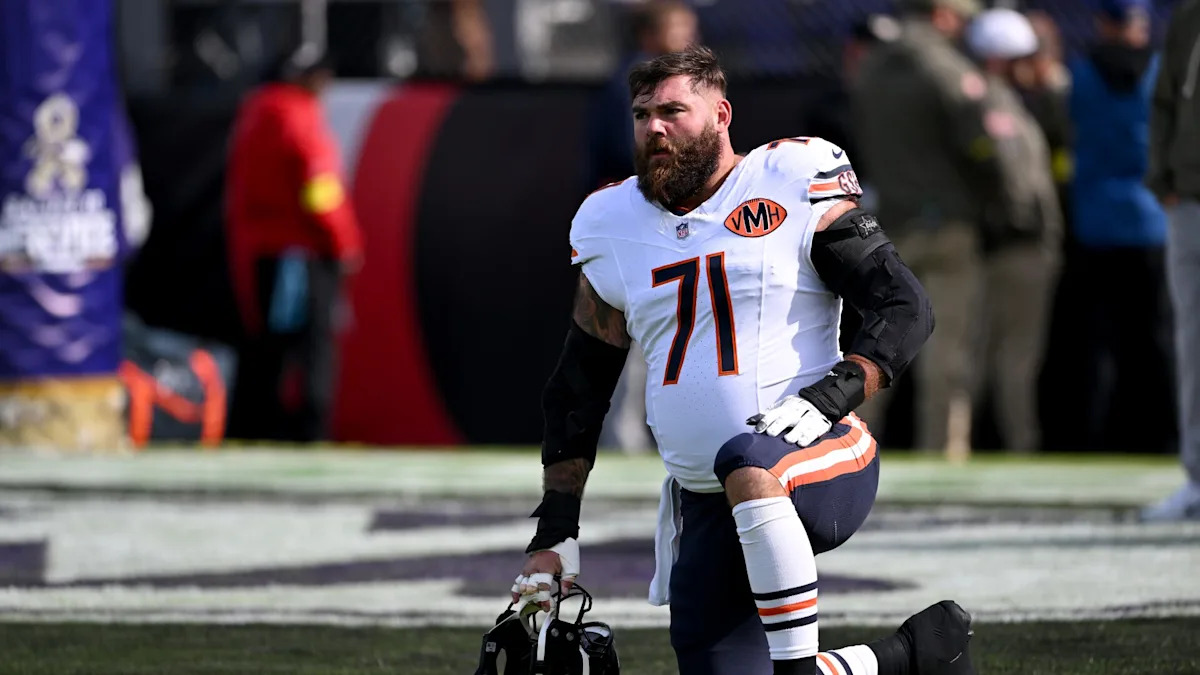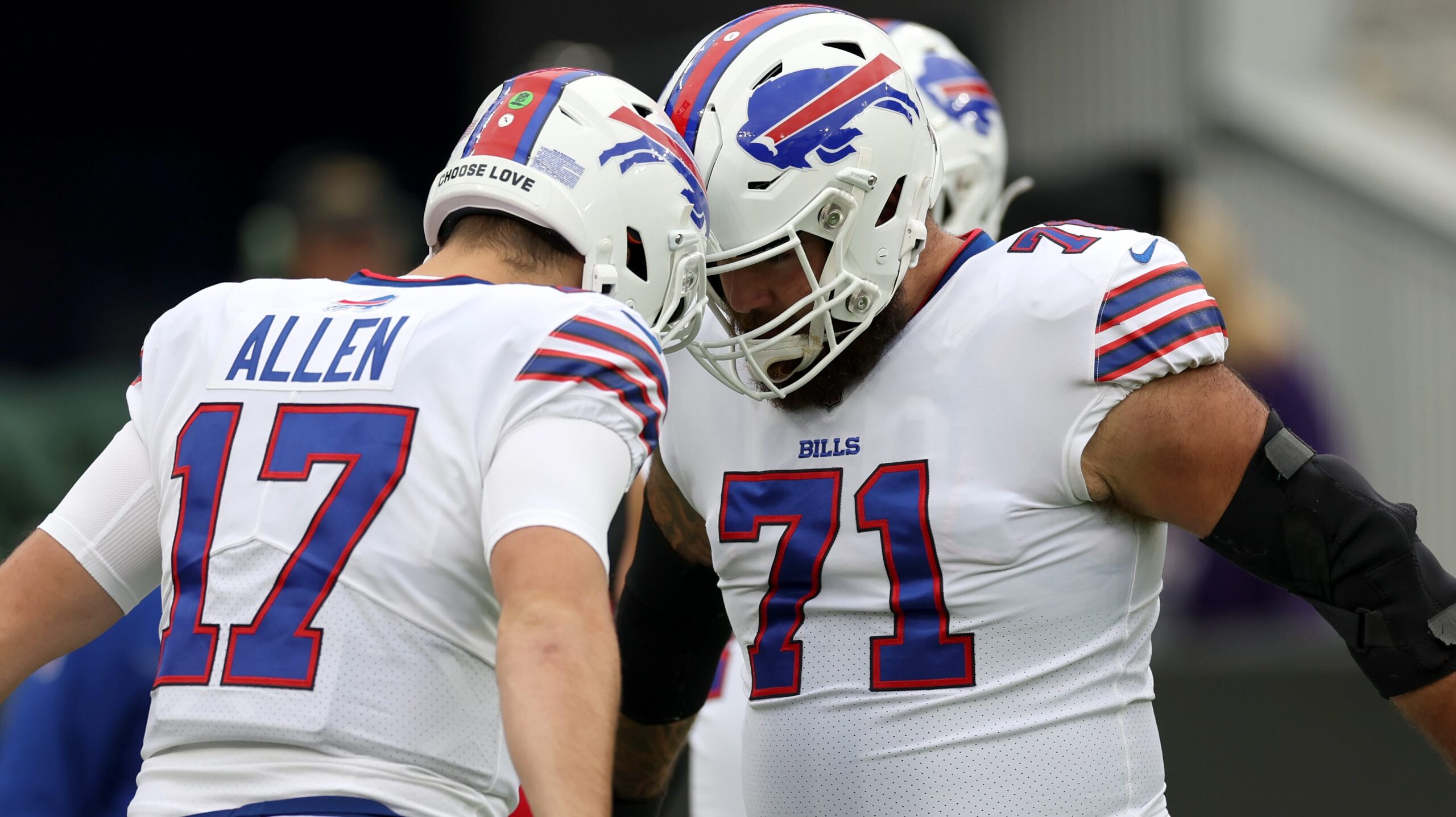
The New York Giants’ decision to host veteran interior offensive lineman Ryan Bates for a free agent visit on March 16 signals a pragmatic transition into the second wave of recruitment. Following a period where the organization was outbid for premium targets like Alijah Vera-Tucker, General Manager Joe Schoen is leveraging institutional familiarity to address a structural deficit in the roster’s mid-tier depth. This move is less a pursuit of a marquee starter and more a logistical hedge against the volatility of the interior line market.
Tactical Rationale and the Buffalo Connection
The pursuit of Bates represents a continuation of the personnel philosophy established by Schoen. Having spent five seasons with the Buffalo Bills—a tenure overlapping with Schoen’s time as Assistant GM—Bates offers a high level of ‘intellectual property’ regarding schematic fit and professional standards. This familiarity serves as a risk-mitigation tool; when primary market targets are lost, teams often retreat to assets with established internal advocates to ensure cap space is allocated to reliable, high-floor contributors rather than speculative gambles.
Versatility as a Roster Multiplier
The technical value of Bates is rooted in his documented ability to function as a roster multiplier. With career experience across right guard (1,089 snaps), left guard (341 snaps), and center (203 snaps), he provides an insurance policy against the high attrition rates of the interior. For a Giants squad with only 10 offensive linemen currently under contract, Bates’ ability to dress as a three-position backup allows the coaching staff to allocate active game-day roster spots to other high-impact units, such as the defensive secondary or special teams, without compromising line stability.
Crucially, the departure of Austin Schlottman to the Titans left a vacancy for a backup center capable of supporting John Michael Schmitz Jr. Bates’ experience with pre-snap protections and exchange mechanics—while less extensive than his guard work—provides the baseline competency required to maintain offensive continuity during mid-game substitutions.
Assessing Durability and Performance Metrics
Despite his utility, Bates’ profile carries significant health-related caveats. During the 2024 campaign with the Chicago Bears, he suffered from shoulder and elbow issues followed by a late-season concussion, limiting him to just two starts. His 2025 trajectory further complicated his market value, as he recorded zero offensive snaps despite being active for 16 games. His relegation to special teams (82 snaps) suggests a disconnect between his historical value as a starter and his recent utility. The Giants’ medical evaluation must determine if this inactivity was a byproduct of Chicago’s depth or a definitive signal of declining physical durability.
Fiscal Discipline and Draft Implications
Targeting a 29-year-old with a recent history of inactivity is a calculated move to secure a low-cost contract that preserves cap flexibility. By positioning Bates as a value-based acquisition, the Giants mitigate the pressure to reach for interior depth in the mid-rounds of the NFL Draft. Success here would allow the scouting department to prioritize higher-upside prospects at other positions of need, while providing Schmitz Jr. with a veteran sounding board to accelerate his development as the foundational center.
Conclusion: Navigating Scarcity
In a league where reliable offensive line depth is increasingly scarce, the Giants’ interest in Ryan Bates is a masterclass in pragmatic roster building. While his injury history remains a red flag, his three-position versatility and low-entry price point offer a cost-effective solution to a critical depth crisis. The outcome of this visit will serve as a key indicator of the team’s ability to pivot from market setbacks into sustainable roster stabilization.