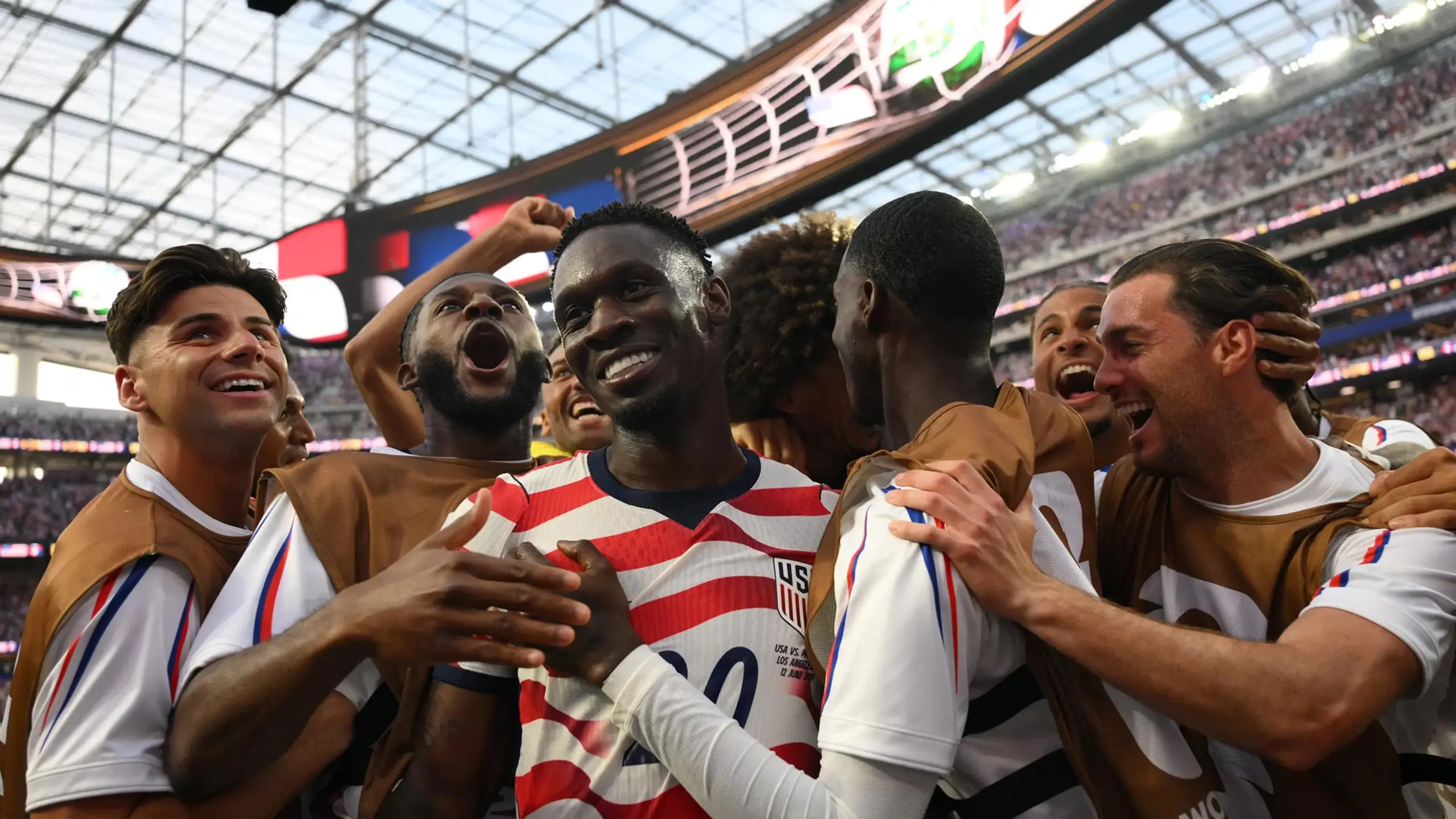
The emergence of Folarin Balogun as a central figure for the United States Men’s National Team (USMNT) transcends a mere tactical adjustment; it signifies a structural evolution in how the United States strategically leverages its unique legal and demographic landscape to foster global footballing competitiveness. As the program navigates the demanding knockout stages of the 2026 FIFA World Cup, Balogun’s presence as a ‘complete striker’ directly addresses a multi-cycle deficiency in the US roster that has historically constrained the team’s offensive ceiling in high-leverage international fixtures.
The Strategic Imperative of Birthright Citizenship in Talent Acquisition
The strategic inclusion of Balogun into the USMNT framework is fundamentally rooted in the institutional advantage afforded by birthright citizenship, a legal pillar that has become a critical, expedited pathway for the United States Soccer Federation (USSF) in the intensely competitive global talent market. By securing a player of Balogun’s caliber through this mechanism, the USMNT has strategically bypassed the protracted traditional domestic developmental timeline, acquiring an elite-tier offensive asset whose advanced technical foundation was meticulously refined within high-performance European football environments.
This reliance on birthright citizenship reflects a broader, pragmatic competitive strategy where national identity and athletic eligibility converge with global mobility, enabling the USSF to effectively recruit from a vast diaspora of dual-national talents. The tangible success of this model is powerfully exemplified by Balogun, whose seamless integration into the squad is widely cited as a primary driver of the team’s current elevated competitive trajectory, particularly as they navigate the immense pressures of a home-soil World Cup.
For key stakeholders within the USSF, the Balogun case serves as a compelling proof of concept for future recruitment efforts. It unequivocally demonstrates that the program can attract top-tier, ready-made talent by offering an immediate and impactful platform for international relevance. This proactive approach mitigates the inherent risks associated with the slower, often unpredictable maturation cycles of domestic youth academies, thereby providing a high-floor, high-ceiling solution to the perennial search for a clinical and versatile finisher at the international level.
Defining the ‘Complete Striker’: Technical Benchmarks and Tactical Versatility
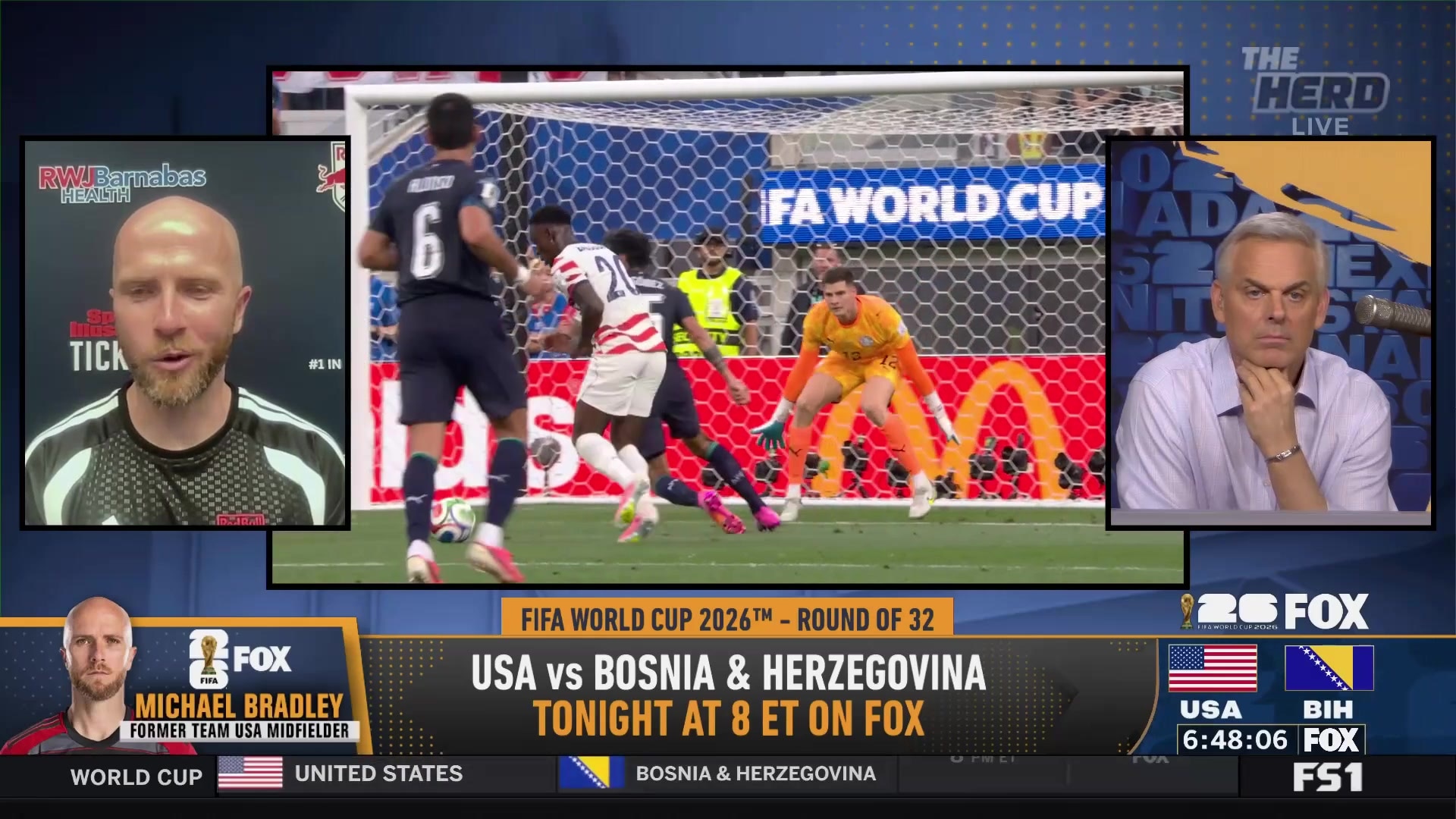
Former USMNT captain Michael Bradley has characterized Balogun’s potential as having a “ceiling through the roof,” a sentiment that precisely articulates a significant upward shift in the technical and athletic expectations for American forwards. Unlike previous iterations of US strikers who often specialized in specific physical attributes or narrow tactical niches (e.g., target man, pure poacher), Balogun is recognized for a comprehensive suite of elite skills. These include advanced close control, explosive athleticism, intelligent movement off the ball, and, crucially, the ability to create and convert goals in isolated, high-pressure, or complex defensive situations.
This multifaceted ‘completeness’ is a critical operational asset for a national team that frequently encounters diverse tactical setups from opponents, ranging from entrenched low-block defensive units to aggressive high-pressing transitional sides. Balogun’s exceptional ability to operate effectively as both a focal point for hold-up play and a dynamic creative engine allows the USMNT to maintain profound tactical flexibility. This adaptability is an absolute necessity in the unpredictable and high-stakes environment of a World Cup knockout stage, where game states can shift rapidly.
Furthermore, the technical sophistication Balogun consistently brings to the pitch is not merely an individual attribute; it functions as a potent force multiplier for the entire offensive unit. By inherently demanding constant, concentrated attention from opposing center-backs, he strategically creates both vertical and horizontal spaces for supporting attackers (wingers, attacking midfielders) to exploit. This systemic effect demonstrably increases the overall efficiency and variety of the team’s scoring opportunities and simultaneously reduces the sole burden on the midfield to provide all the creative impetus.
The Round of 32: Operational Stress and Manifesting Tactical Resilience
The Round of 32 match against Bosnia and Herzegovina at the San Francisco Bay Area Stadium served as a high-pressure laboratory for precisely quantifying Balogun’s impact on the USMNT’s tactical execution and overall resilience. In a match inherently defined by razor-thin margins and monumental stakes, the decisive presence of a striker capable of fundamentally altering the game’s momentum through individual brilliance becomes the primary differentiator between advancement and elimination.
The intense match dynamics unequivocally highlighted the profound physical and psychological demands placed upon the modern international striker, as Balogun was consistently tasked with methodically breaking down a resilient Bosnian defensive structure expertly anchored by goalkeeper Nikola Vasilj. The sheer intensity and competitive nature of this encounter vividly underscore the definitive shift in the USMNT’s competitive profile, where the collective expectation is no longer merely participation, but the consistent, results-oriented delivery against established European and global opposition.
Moreover, the active involvement of veteran figures such as Brad Guzan and insightful former players like Sacha Kljestan and Mo Edu in the surrounding analytical discourse significantly emphasizes the institutional weight and historical significance of this moment. Their astute analysis collectively suggests that Balogun is widely viewed not just as a temporary solution to a persistent problem, but as the foundational cornerstone of a nascent era in American soccer that unequivocally prioritizes technical excellence, clinical finishing, and intelligent playmaking over purely physical attributes.
The Disallowed Goal: Confidence, Cultural Integration, and VAR’s Impact
A pivotal, yet ultimately frustrating, moment in the San Francisco fixture involved a disallowed goal by Balogun, which immediately followed a high-profile “LeBron silencer” celebration. While the goal was ultimately overturned due to a marginal offside call, the entire sequence revealed significant insights into the player’s formidable confidence, his burgeoning cultural integration, and the razor-thin margins that invariably define success in the VAR era of international football.
The deliberate use of the “silencer” celebration, a clear and resonant nod to American sporting icon LeBron James, powerfully illustrates the cultural convergence actively occurring within the USMNT. It demonstrates how globally refined footballing talent readily adopts and projects distinctly American cultural markers, amplifying the team’s unique identity. This intentional branding exercise, while momentarily disrupted by the offside decision, powerfully signals the high level of self-assurance and swagger Balogun possesses – an absolutely essential psychological trait for a striker operating under the immense, unrelenting pressure of a home World Cup.
From an operational and tactical standpoint, the disallowed goal serves as a stark reminder of the inherent volatility and precision required in modern match officiating, and the absolute necessity for unwavering tactical discipline. For the USMNT, the demonstrated ability to maintain composure, refocus, and sustain offensive pressure after such a high-emotion setback is a key indicator of the team’s psychological maturity and its robust capacity to adeptly handle the inevitable, high-stakes adversities that occur during a deep tournament run.
Strategic Endorsements: Global Visibility and Brand Elevation
The explicit endorsement of Balogun’s immense talent by revered international figures like Zlatan Ibrahimovic further significantly elevates the striker’s individual profile and, by direct extension, the growing prestige and global recognition of the USMNT brand. Ibrahimovic’s timely message ahead of the crucial Round of 32 match serves as a potent marker of the heightened global attention currently focused intensely on the American program and its burgeoning constellation of emerging stars.
Such high-profile endorsements are far from merely ceremonial; they exert a tangible and significant impact on the market perception of individual players and, crucially, the collective team. This positive perception influences a broad spectrum of critical factors, ranging from lucrative commercial partnerships and sponsorship deals to the refined scouting priorities of elite European clubs. Balogun’s reinforced status as a high-value asset in the fiercely competitive global football economy is powerfully cemented by these public acknowledgments from the sport’s established elite, effectively providing the USMNT with a level of undeniable ‘star power’ that has historically been a rare commodity for the program.
This amplified global visibility also inherently places a premium on Balogun’s consistent performance as a prominent representative of the USSF’s innovative developmental and ambitious recruitment strategy. His continued success is therefore viewed as a direct validation of the federation’s strategic decision to aggressively pursue and integrate dual-national players – a bold move that has occasionally been met with internal debate but is now increasingly recognized as an indispensable prerequisite for effectively competing with the world’s top-ranked footballing nations.
Institutional Consequences and Future Trajectory: Redefining the USMNT
The long-term institutional implications of Balogun’s successful integration into the USMNT extend far beyond the immediate 2026 World Cup cycle. His transformative presence has irrevocably set a new, elevated benchmark for what is fundamentally expected of the American number nine, thereby profoundly reshaping the scouting parameters, training priorities, and player development pathways for the next generation of domestic strikers who will inevitably seek to emulate his multi-faceted and dynamically complete game.
For the USSF, the Balogun era unequivocally represents a decisive shift toward a more sophisticated, globally integrated, and strategically astute approach to roster building and talent optimization. The substantial financial and strategic investments rigorously made to secure his commitment are fully expected to yield profound dividends not only in terms of tangible on-field results and deeper tournament runs but also in the significantly increased commercial value and global recognition of the USMNT brand as it becomes increasingly synonymous with high-level, technically proficient, and consistently entertaining football.
As the tournament progresses, the unwavering focus will naturally remain on Balogun’s individual ability to convert his immense potential and unique skill set into the decisive, legacy-defining goals that characterize World Cup glory. The robust structural and advanced tactical foundations are now firmly in place; the remaining, crucial variable is the player’s unwavering capacity to consistently perform at his much-heralded ‘through the roof’ ceiling under the most intense and unprecedented scrutiny in the history of American soccer.
Conclusion: A Paradigm Shift in American Soccer Strategy
In summary, Folarin Balogun’s pivotal role in the 2026 World Cup is the powerful culmination of a deliberate, strategic pivot by the USMNT toward technical excellence and globally-minded talent acquisition. By adeptly leveraging birthright citizenship and providing an unparalleled platform for elite-tier performance, the United States has comprehensively addressed its most significant tactical vulnerability with a player possessing truly generational potential.
The profound consequences of this strategic shift are visibly manifest in the team’s demonstrably increased competitive resilience and its enhanced ability to proactively dictate play against sophisticated international opponents. Whether the USMNT can translate this individual brilliance and collective strategic upgrade into a deep, historic tournament run remains the ultimate, defining test of the program’s evolution. However, the institutional and tactical groundwork meticulously laid by Balogun’s arrival has already fundamentally and irrevocably altered the competitive landscape of American soccer.
As the USMNT continues its ambitious campaign, the evolving narrative surrounding Balogun will serve as a precise barometer for the program’s overall health, its strategic foresight, and its definitive readiness to formally join the elite tier of international football. The ‘complete striker’ is no longer a theoretical requirement for the United States; it is a functional, transformative reality that has profoundly redefined the team’s strategic horizons and elevated its global aspirations.