The Reengineering of DHS Grant Conditionality
The strategic linkage of Department of Homeland Security (DHS) funding to state-level election mandates signals a transition from collaborative federalism to a model of fiscal coercion. By repurposing over $1 billion in annual grants—originally intended for antiterrorism and disaster resilience—the administration has introduced a high-stakes trade-off. This maneuver effectively weaponizes discretionary security capital, forcing state administrators to weigh the maintenance of critical infrastructure against the preservation of constitutional autonomy over electoral processes.
This financial leverage exploits the path dependency of state and local agencies on federal capital for emergency response capabilities. The threat of withholding these funds introduces systemic operational risks; when public safety readiness becomes contingent on the adoption of specific federal voting standards, the DHS moves beyond its role as a support entity. This approach bypasses traditional legislative deliberation, utilizing executive control over the federal purse to exert influence over decentralized state systems.
Logistical and Market Volatility in Voting Transitions
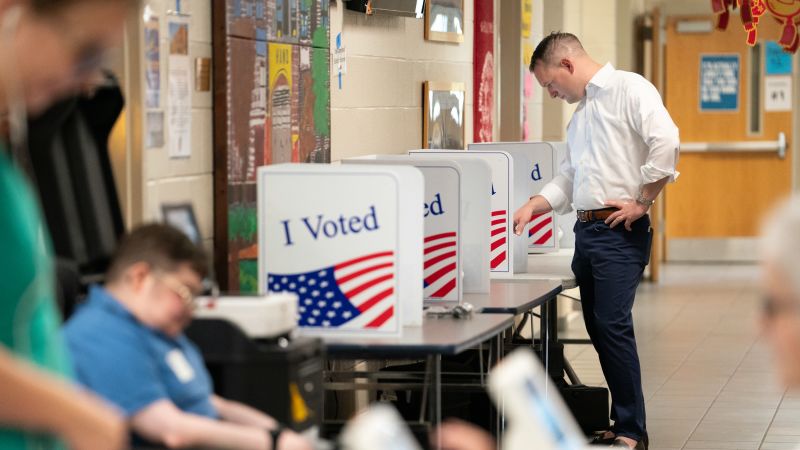
Mandating the transition from electronic interfaces to hand-marked paper ballots imposes a profound architectural shift on election administration. Beyond the policy rhetoric, this requirement necessitates a total overhaul of procurement cycles, physical logistics, and chain-of-custody protocols. Local jurisdictions, frequently characterized by budgetary constraints, must now absorb the surge in labor costs associated with manual tabulation and the increased security requirements of physical record-keeping.
Furthermore, the required integration of state voter rolls with the DHS citizenship verification database introduces technical friction and administrative dependency. This centralized verification architecture creates a single point of failure and raises significant data privacy concerns. Such dependency may lead to operational bottlenecks in high-growth registration areas, where the accuracy of federal records—often not designed for local eligibility determinations—may collide with state-level statutory requirements.
Institutional Atrophy and the Politicization of Intelligence
The appointment of leadership with histories of promoting election-related interference theories has triggered a crisis of institutional trust. This erosion is an operational hazard; the efficacy of the DHS is predicated on the voluntary, bidirectional flow of threat intelligence between federal and local partners. If state officials perceive federal directives as politically motivated, the collaborative defense frameworks essential for mitigating cyber threats and foreign interference risk total fragmentation.
Moreover, the influence of partisan theories within the DHS hierarchy risks a redirection of the agency’s analytical resources. By prioritizing the investigation of debunked claims over verified threats such as sophisticated cyberattacks or domestic extremism, the administration risks an intelligence-to-policy gap. This shift threatens the retention of career civil servants and technical experts, potentially leading to a brain drain that diminishes the nation’s ability to respond to complex, non-electoral security challenges.
Constitutional Conflict and the Tenth Amendment
The administration’s strategy faces an immediate legal impasse in states where new laws specifically prohibit federal interference in local elections. This creates a zero-sum conflict: state officials are legally barred by their legislatures from complying with the federal mandates required to secure DHS funding. Litigation will likely hinge on the limits of the Spending Clause and the anti-commandeering doctrine, questioning whether the executive branch can impose grant conditions that are functionally unrelated to the original statutory purpose of the funds.
This stalemate leaves governors and secretaries of state in a precarious position, navigating the financial risks of lost security support against the legal risks of state-level non-compliance. The resulting uncertainty paralyzes long-term planning for both election cycles and disaster preparedness. In politically divided states, DHS funding conditions serve as a catalyst for internal governance paralysis, further destabilizing the very systems the grants were designed to protect.
Strategic Opportunity Costs in National Resilience
Transforming homeland security funds into a bargaining chip for election policy has deleterious effects on the national resilience landscape. By prioritizing electoral reform over life-safety disaster preparedness, the administration reallocates risk toward vulnerable communities. The opportunity cost of this shift is measurable: the redirection of DHS investigative and technical capacity toward voter roll verification reduces the agency’s efficacy in monitoring critical infrastructure vulnerabilities and border security threats.
Ultimately, the institutionalization of fiscal coercion may result in a permanent realignment of the DHS’s mission. The shift from a technical support model to one of political oversight undermines the professional expertise that historically underpinned the agency’s credibility. As the security apparatus becomes increasingly dependent on political alignment rather than collaborative defense, the structural integrity of the nation’s security framework remains under significant strain.