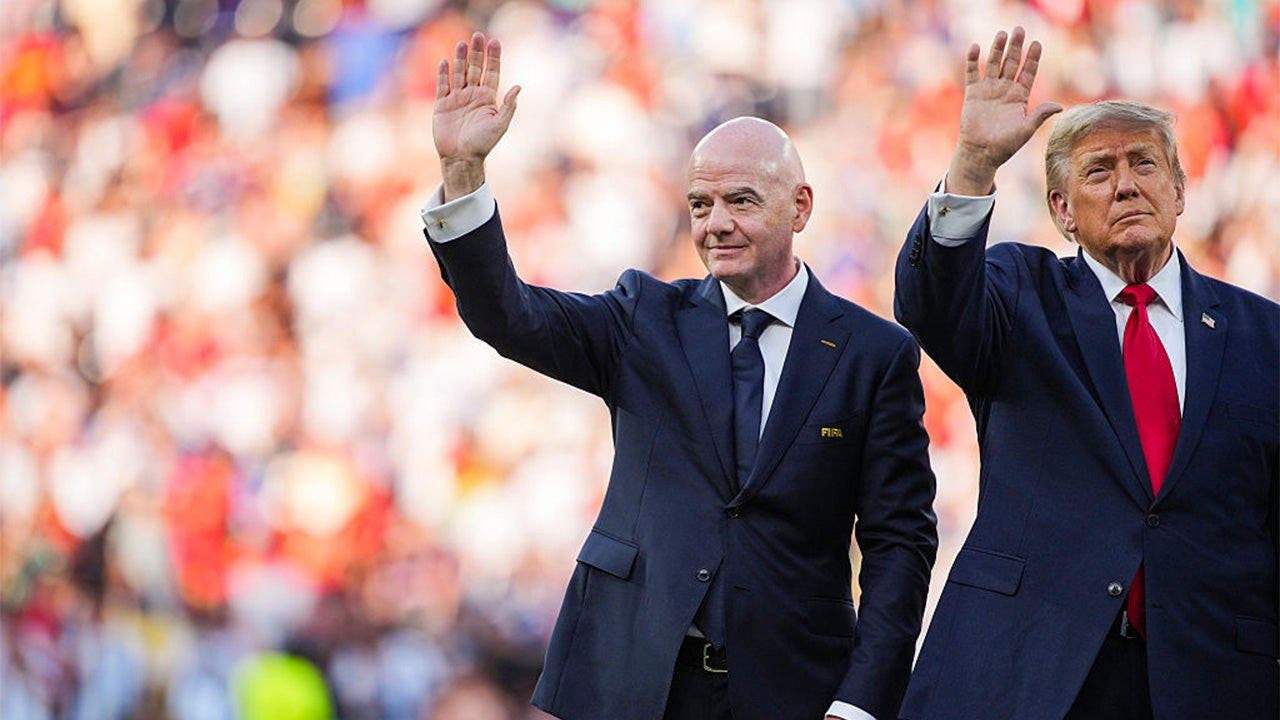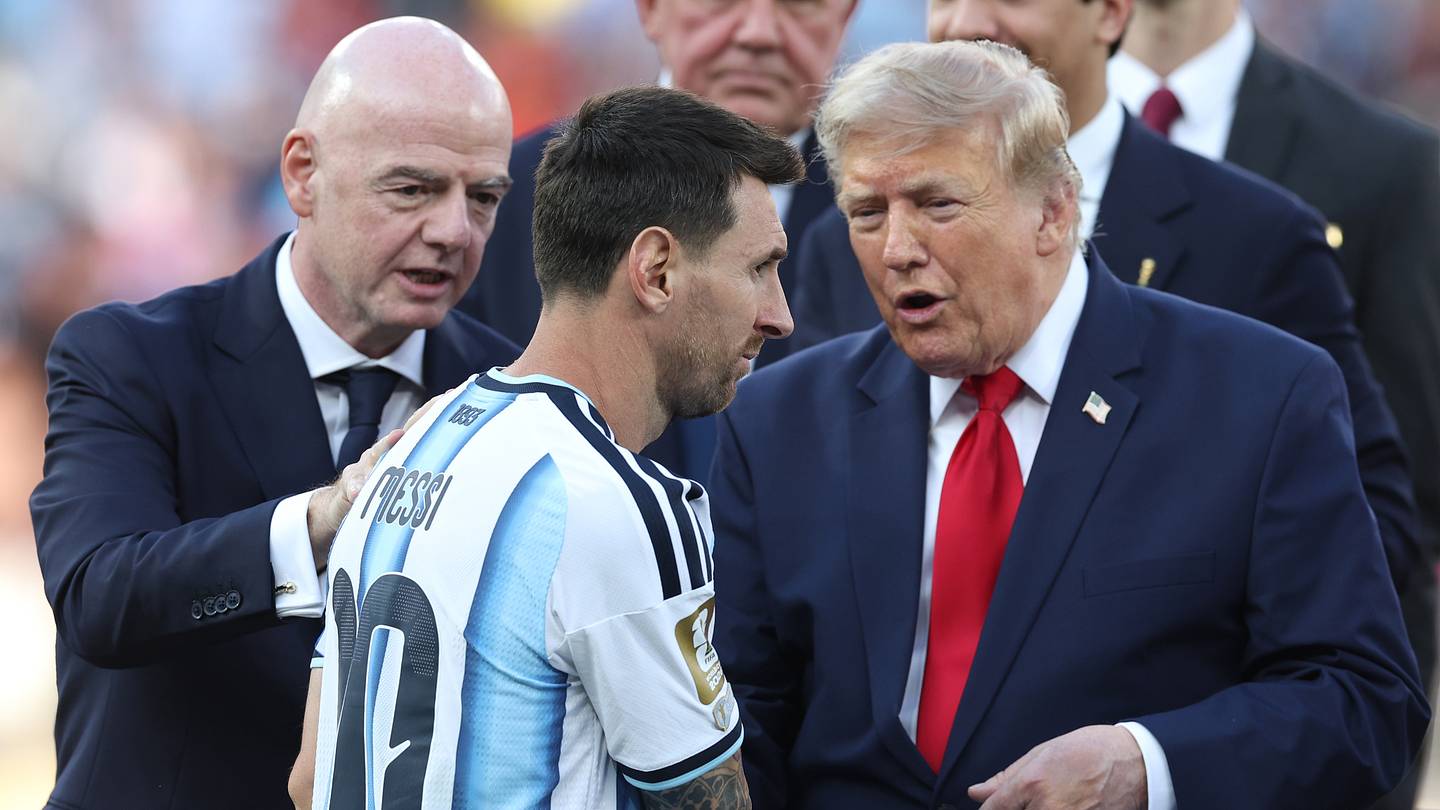
FIFA President Gianni Infantino is under renewed scrutiny following the leak of a letter to the Argentine Football Association president, Claudio Tapia. The correspondence, reportedly verified by the Daily Mail, praises the Argentine squad’s “professionalism” and “magnificent performance” in the 2026 World Cup Final. This commendation emerged shortly after FIFA confirmed an investigation into “offensive behavior and violations of the principles of fair play” by Argentine players and staff during the post-match events.
Institutional Impartiality Under Question
The timing and content of Infantino’s letter directly contradict the official stance of FIFA’s disciplinary arm, which is probing “ugly scenes” including on-field altercations. This apparent divergence between the FIFA presidency’s messaging and its investigative bodies’ actions raises significant concerns about the perceived impartiality of FIFA’s governance and its handling of disciplinary matters. Critics argue this undermines the integrity of the review process.
The letter’s praise for the “magnificent performance of the Albiceleste,” sent despite Argentina failing to register a shot on target in regulation and receiving a red card, amplifies criticism that Infantino’s communication appears to overlook the gravity of the post-match conduct and the ongoing disciplinary proceedings.
Strategic Communication and Stakeholder Perception
Infantino’s communication strategy in this sensitive post-event period has significant implications for FIFA’s institutional credibility. Issuing a letter of commendation that seemingly downplays disciplinary issues under review risks alienating member associations and observers expecting consistent application of fair play principles. This could impact future regulatory enforcement and federations’ adherence to FIFA’s codes of conduct.
The leak originating within Argentina suggests a potential internal dynamic, possibly intended to bolster domestic support or project unwavering presidential backing. Such actions can create a perception of political maneuvering within the governing body, potentially undermining the objective application of rules and sanctions.
Competitive Landscape and Fair Play Enforcement
This controversy could influence the competitive landscape by creating a perception of differential treatment. If federations believe FIFA’s leadership is more inclined to offer praise than rigorously enforce sanctions, it might subtly alter risk assessments regarding on-field conduct. This could lead to a recalibration of acceptable behavior, potentially emboldening teams to push boundaries.
Furthermore, the scrutiny on Infantino’s actions may empower rival confederations or national federations to demand greater transparency and accountability in FIFA’s disciplinary procedures. This could increase pressure for reforms ensuring investigations and their outcomes are perceived as free from presidential influence, thereby strengthening the integrity of fair play regulations.
Reputational and Financial Ramifications
The reputational damage from such controversies can have indirect financial consequences. Sponsors and commercial partners often align with organizations projecting strong ethical standards. Any perception of compromised integrity or preferential treatment could lead to increased due diligence from sponsors, potentially impacting future revenue streams or leading to renegotiated terms.
The global scrutiny of World Cup incidents shapes public opinion and stakeholder sentiment. A perception of favoritism or failure to uphold standards can erode trust, a critical asset for any global sports organization. The intense media coverage highlights the disconnect between celebratory aspects and disciplinary enforcement.
Future Governance and Regulatory Impact
The long-term impact could influence FIFA governance and disciplinary process reforms. Increased calls for independent oversight, clearer communication protocols, and stronger ethical guidelines for leadership may emerge. Such changes would aim to prevent presidential communications from appearing to undermine disciplinary actions.
Ultimately, the controversy underscores the delicate balance FIFA must maintain between celebrating sporting achievements and upholding disciplinary integrity. The perceived disconnect between celebration and necessary rule enforcement presents an ongoing challenge for FIFA and its leadership.
Role of the FIFA President
The FIFA president sets the ethical and disciplinary tone for global football. Public and private communications, especially when leaked, carry significant weight. Infantino’s letter, while potentially aiming to project a positive image, has inadvertently overshadowed disciplinary proceedings, creating a complex governance challenge.
This incident highlights the debate surrounding the FIFA presidency’s powers and responsibilities. As the figurehead, the president’s actions are constantly scrutinized, and missteps can have far-reaching consequences for the sport’s reputation and trust in its governing body. The leaked letter serves as a case study in managing institutional messaging during sensitive periods.
Broader Implications for Sports Governance
Beyond football, the situation offers insights into high-level sports governance complexities, including the interplay of commercial interests, federations, player conduct, and regulatory frameworks. A single communication, even if well-intentioned, can create ripple effects impacting institutional credibility and stakeholder confidence.
The continuous need for transparency, accountability, and consistent rule application is paramount for maintaining international sports integrity. The actions surrounding the leaked letter will likely fuel discussions on ensuring all tournament aspects, from on-field performance to post-match conduct, are managed with an unwavering commitment to fair play and due process.