
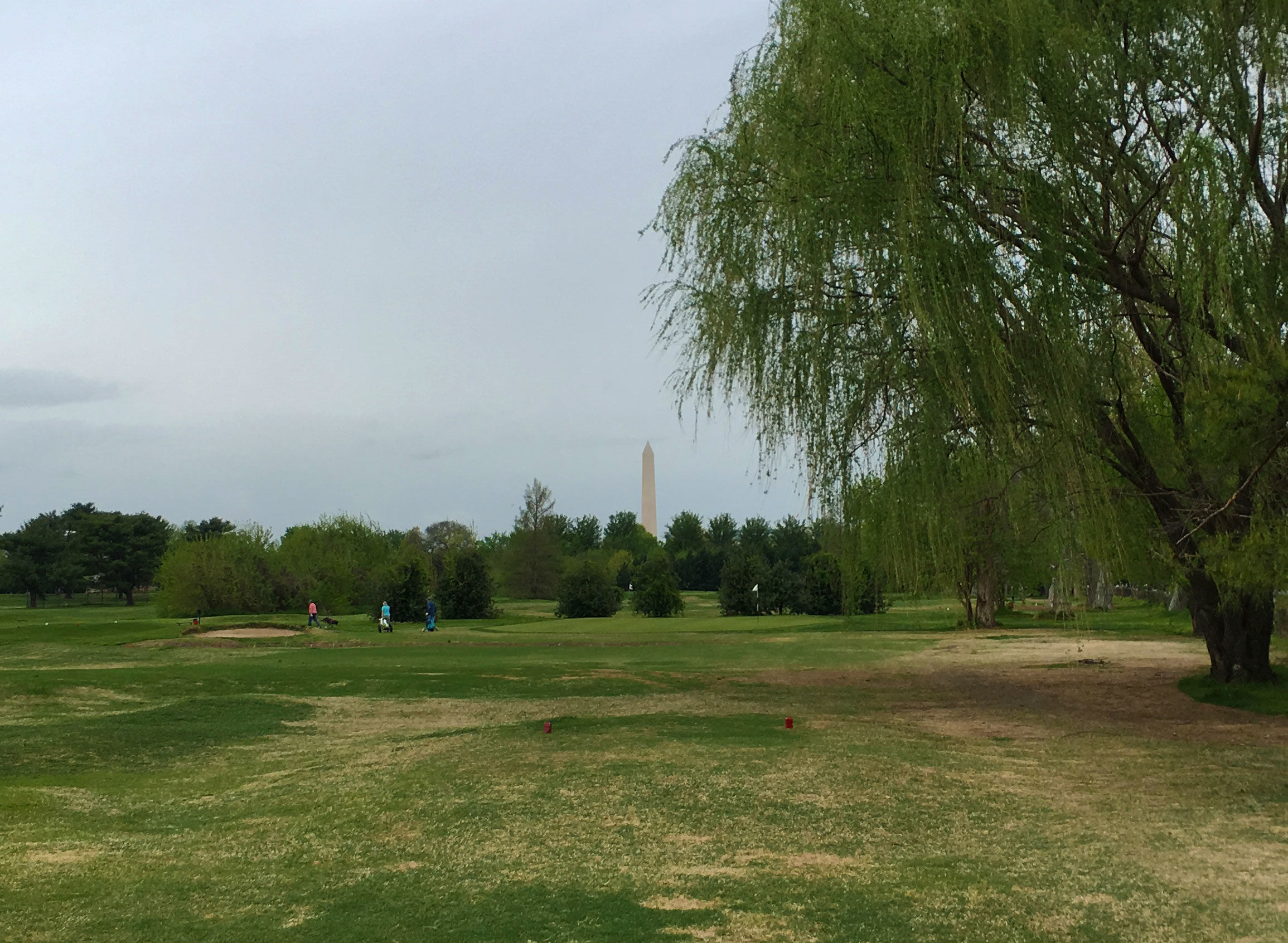
Judicial Oversight and Administrative Authority
U.S. District Court Judge Ana Reyes has denied an emergency injunction to halt redevelopment and maintenance at the East Potomac Golf Course. The ruling addresses a petition by the D.C. Preservation League, which sought to stop immediate site alterations, including tree clearing and infrastructure modifications proposed by the Trump administration.
The legal dispute underscores a fundamental conflict between executive-led modernization initiatives and established federal preservation mandates. While the court declined to issue an immediate stay, it signaled a rigorous interest in the project’s regulatory compliance and the oversight of federal assets under National Park Service jurisdiction.
Historical Integrity and Public Access
The D.C. Preservation League contends that the administration’s plans to elevate the facility to a U.S. Open-caliber venue jeopardize the site’s historical character. Critics argue that shifting the golf course from a public-access municipal asset to an exclusive, high-end venue necessitates public review processes that have not been adequately addressed. The preservationists assert that these alterations would constitute an irreparable loss to the site’s function as a public recreational landmark.
Environmental and Financial Transparency
Beyond preservation, the project faces significant environmental and regulatory risks. Reports indicate the presence of toxic heavy metals in the soil, which complicates excavation and may trigger extensive remediation liabilities. These environmental challenges remain a focal point for regulatory bodies assessing the feasibility of the proposed overhaul.
Simultaneously, Judge Reyes has initiated a judicial inquiry into the project’s funding architecture. The court is seeking to determine whether the White House is leveraging private capital or third-party funding for public land development. This scrutiny is essential to identifying potential conflicts of interest and ensuring that the financial management of federal property adheres to transparency standards.
Institutional Precedents in Federal Land Management
The East Potomac litigation serves as a critical case study regarding the limitations of administrative oversight. The case highlights how shifting executive priorities can clash with long-standing stewardship responsibilities. Because the project relies on a complex mix of public and private interests, its progression—or lack thereof—will likely serve as a legal precedent for future administration-led municipal developments. Stakeholders, including urban planners and environmental regulators, remain focused on the potential for long-term land management policy changes should this high-end redevelopment proceed.
Judicial Strategy and Future Accountability
Judge Reyes’ decision to allow work to continue while demanding further discovery on funding and oversight illustrates a balanced approach to administrative law. By eschewing an immediate injunction, the court respects executive operational discretion, yet maintains a mechanism for future accountability through discovery. As the litigation continues, the primary challenge remains the reconciliation of high-profile development ambitions with the legal requirements governing environmental safety and historic preservation.

Photo by markusspiske on Pixabay.