Kinetic escalation following Iranian missile and drone strikes targeting U.S. personnel at the Prince Sultan air base in Saudi Arabia has driven the confirmed injury count for American service members past the 300 threshold, signaling a systemic escalation in regional conflict dynamics.
Quantified Operational Strain: Diversion of High-Readiness Assets
The immediate strategic response involved the accelerated commitment of high-readiness forces, critically demonstrated by the diversion of the USS Tripoli (LHA-7) and elements of the 31st Marine Expeditionary Unit (MEU) from pre-planned exercises near Taiwan to the CENTCOM theater.
This force pivot underscores severe strain on forward-deployed naval assets. The Tripoli, typically stationed in Japan, is bringing substantial amphibious assault and strike fighter capability, suggesting a mandate for sustained, high-tempo operations rather than simple rotational reinforcement.
This movement from the Indo-Pacific to the Middle East represents a quantifiable trade-off, accepting temporary risk reduction in East Asia to manage the immediate, escalated kinetic threat spectrum in the Gulf region.
Divergence: Political Narrative Versus Tangible Commitment
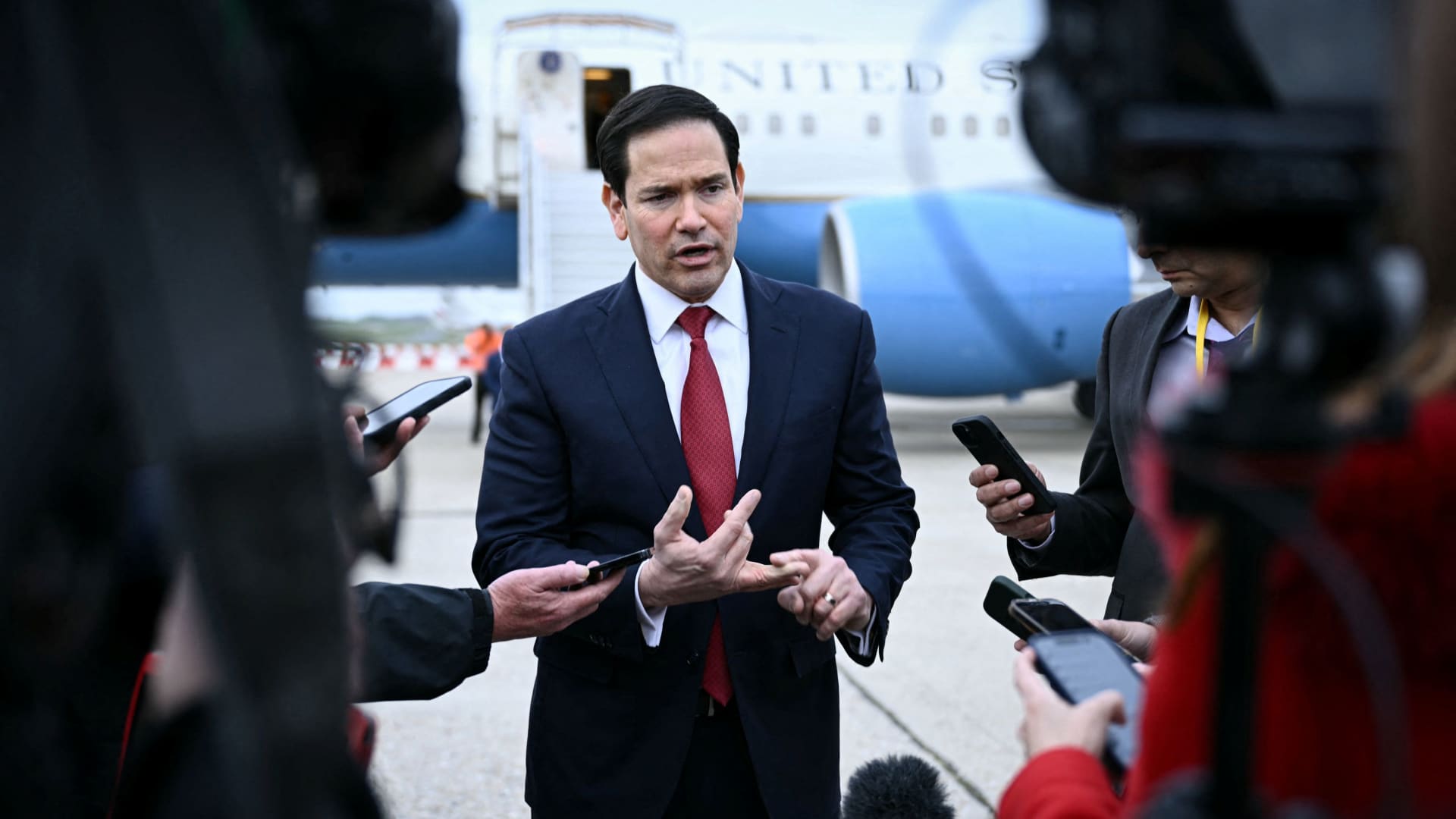
The observable commitment of heavy expeditionary forces directly contradicts stated political expectations for a rapid conflict resolution. The assertion by Secretary of State Marco Rubio regarding concluding military operations within weeks, not months, appears strategically misaligned with the commitment of multi-MEU level force packages.
This divergence between political timelines and observable operational endurance creates strategic ambiguity, potentially inviting further escalation by adversaries testing the perceived political will versus the actual operational capacity for a protracted engagement.
Systemic Economic Externalities: Energy Markets Under Stress
Now one month past initial strikes, the conflict has generated systemic economic disruption, documented as the largest recorded disruption to global energy supplies. This shock directly fuels heightened global inflationary pressures.
The resulting energy supply shock forces central banks into difficult fiscal trade-offs. The conflict’s economic externalities are now a primary driver of policy concern, likely overshadowing purely military objectives in terms of long-term political consequence.
Latent Risk: Proxy Activation and Maritime Choke Points
The geographic expansion risk remains high, underscored by Yemen’s Iran-aligned Houthis. While reportedly modulated in the current phase, Israel’s attribution of a missile launch from Yemen during retaliatory actions confirms Houthi integration into the Iranian deterrence architecture.
Potential Houthi activation poses a critical threat to global choke points. This latent risk immediately inflates maritime shipping insurance premiums and operational viability across key trade routes, necessitating dedicated naval interdiction resources.
Force Protection Review and Institutional Readjustment
The sustained casualty rate—now exceeding 300 wounded—demands an urgent review of force protection measures, specifically concerning layered missile and drone defense integration at hardened installations like Prince Sultan. The success of multiple kinetic waves against this base indicates existing defense gaps.
The logistical friction of shifting high-value assets across inter-theater distances during active conflict is exposed by the time lag between the deployment order and the physical arrival of the 31st MEU. This friction underscores inherent limitations in rapid surge capacity.
Attribution Complexity and Escalation Control
Intelligence apparatuses face the heightened challenge of differentiating between direct Iranian state action and coordinated proxy activity originating from multiple sovereign territories, including verified Houthi launches.
Accurate, multi-vector attribution is critical for establishing appropriate Rules of Engagement (ROE) and diplomatic responses. Miscalculation risks pulling peripheral actors further into the conflict, as evidenced by the Houthis’ conditional intervention signaling.
Long-Term Strategic Entrenchment
The current force commitment—involving the 31st MEU, the USS Tripoli, and implied follow-on deployments like the USS Boxer and additional Marine Expeditionary Units—signals a strategic posture approaching sustained, high-tempo combat operations.
This necessitates a fundamental reassessment of long-term strategic presence, moving beyond containment. The wear and tear on diverted systems will impact the next fiscal cycle’s procurement planning.
The confluence of kinetic escalation, measurable economic shock, and demonstrated casualty rates confirms that the risk calculus underpinning the initial engagement has been fundamentally altered. The U.S. commitment is now entrenched, making rapid withdrawal both politically and operationally costly, shifting the definition of ‘success’ toward energy stabilization and the management of domestic political fatigue regarding sustained attrition.