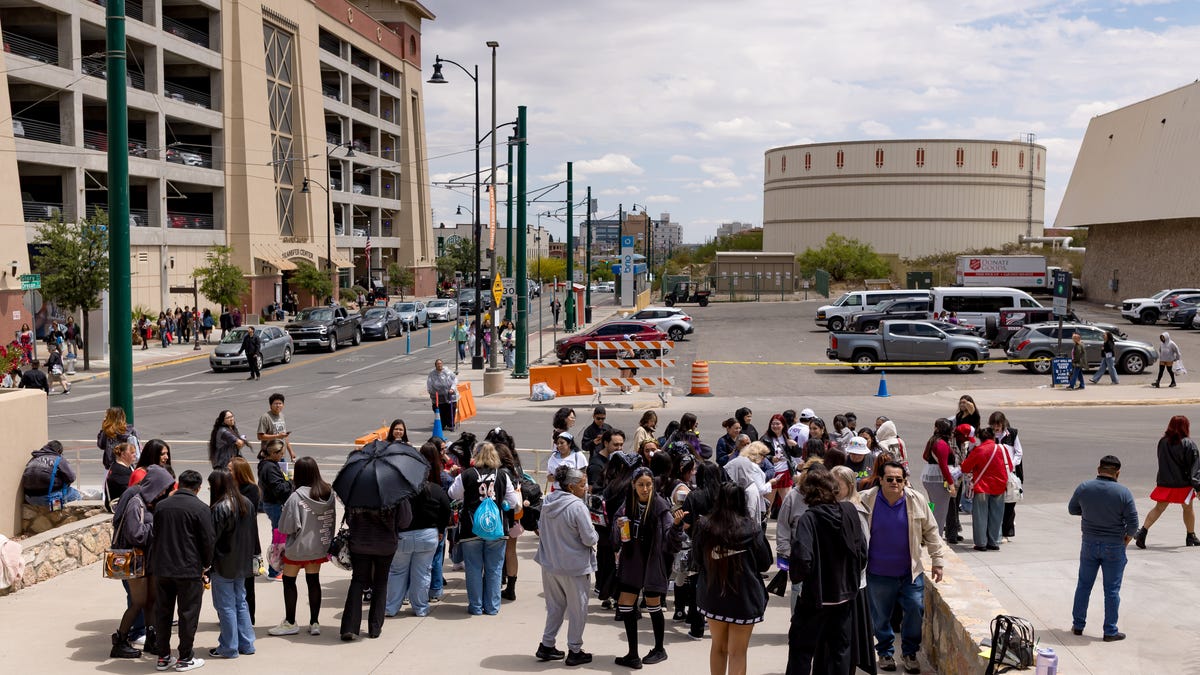
The University of Texas at El Paso (UTEP) issued advisories for BTS concert attendees at Sun Bowl Stadium following significant entry delays and fan dissatisfaction. This highlights the operational complexities of managing large-scale events, especially when intense fan enthusiasm overloads ingress points and technological systems.
Operational Strain on Event Venues
UTEP’s Office of Special Events acknowledged multi-hour queues contributing to concert delays. Their proactive communication, detailing gate usage and QR code ticket downloads, aims to prevent future bottlenecks, reflecting standard efforts to balance attendee experience with venue capacity and security.
Emphasis on advance ticket downloads addresses potential technological failures in high-density mobile environments. Connectivity issues at the first concert underscore the critical reliance on robust digital infrastructure for modern event management.
Strategic Gate Management and Fan Flow
UTEP’s specific guidance for ticket tiers—General Admission (North, South East, South West Gates), VIP Soundcheck (North Gate), and Premium/ADA (West Gate)—indicates a tiered access strategy to streamline entry. This approach distributes crowds across multiple points, reducing pressure on individual gates and improving overall throughput.
Gate allocation by ticket type aims to segment audiences and manage expectations, potentially prioritizing premium holders for faster access. This operational decision, while seeking efficiency, can influence fan perception, particularly if perceived access inequities arise.
Economic and Cultural Impact of Converging Events
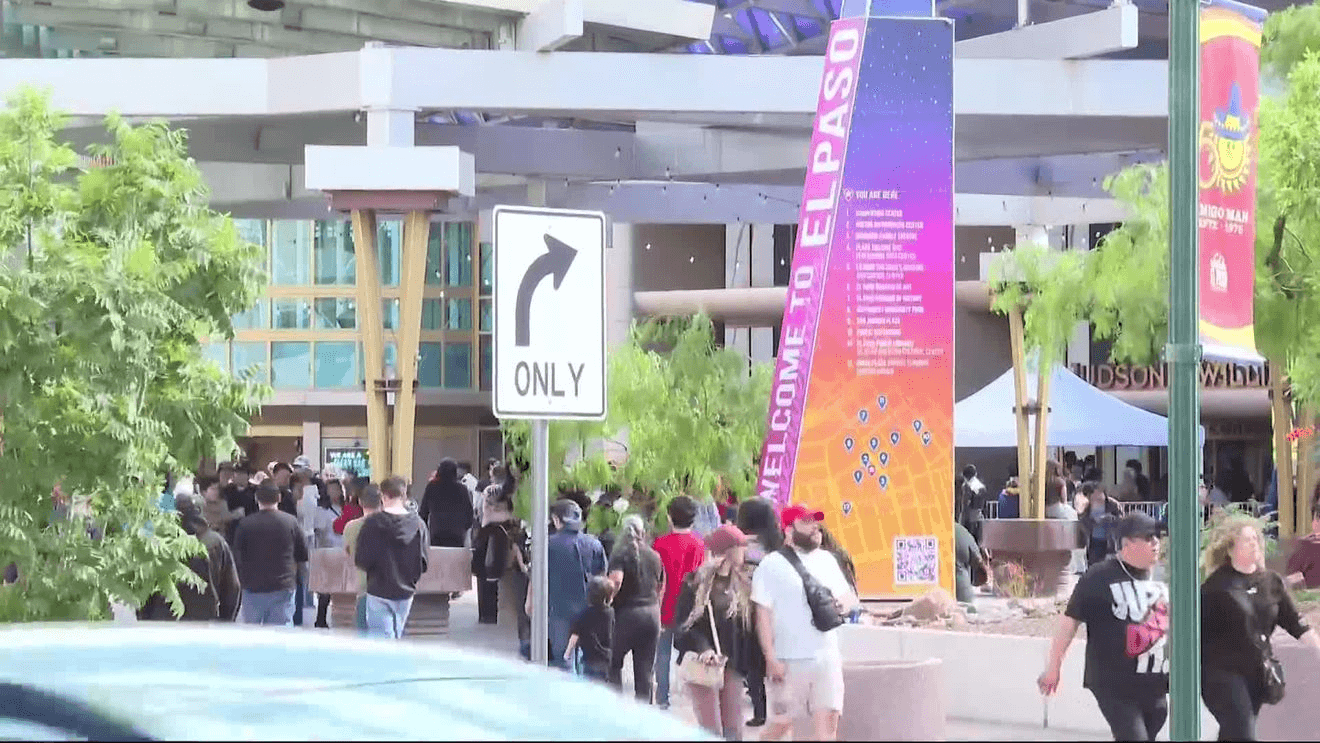
The convergence of the BTS concert with Comic Con at the El Paso Convention Center and the Sol Summit music festival at San Jacinto Plaza transformed downtown El Paso into a cultural and economic hub. This concentration of major events over a single weekend placed substantial demand on local transportation, accommodation, and public services.
The influx of fans, with many traveling from across Texas and beyond for the BTS concert, demonstrates the significant drawing power of these events. The emotional connection fans describe highlights the deep cultural impact and dedicated followings driving considerable economic activity through tourism and local spending.
Urban Infrastructure and Event Saturation
Logistical challenges extended beyond the stadium, impacting broader urban infrastructure. Street closures for Sol Summit and increased pedestrian and vehicular traffic strained El Paso’s downtown core. This situation exemplifies the urban planning challenges posed by the increasing frequency and scale of major event hosting.
The success of such a concentrated event weekend relies on effective coordination between city departments, organizers, and public safety agencies. The potential for cascading disruptions necessitates robust contingency planning and real-time management to ensure public safety and minimize negative impacts on uninvolved residents and businesses.
Competitive Landscape and Future Event Planning
Despite initial operational issues, the successful execution of these diverse events positions El Paso as a viable destination for large-scale gatherings. Attracting and managing high attendee concentrations, especially for a global act like BTS, enhances the city’s reputation and competitive standing in event tourism.
However, reported delays and complaints provide critical feedback for future planning. UTEP and similar institutions must refine logistical strategies and potentially invest in enhanced infrastructure and staffing to meet escalating global fan expectations, ensuring a seamless experience justifies attendee investment.
Stakeholder Implications and Performance Leverage
For UTEP and the city, performance leverage is tied to attendee satisfaction and efficient resource management. Smooth operations and high fan engagement reinforce economic benefits like revenue generation and local business stimulation.
Conversely, persistent operational failures can cause reputational damage, affecting future bids and diminishing perceived value for artists and organizers. The feedback loop from social media and official advisories highlights the transparency and accountability demanded in the current event landscape.
Cultural Significance and Fan Engagement Dynamics
The BTS ARMY’s mobilization for the El Paso concert illustrates the power of modern, geographically dispersed fan communities. These groups represent a demographic with significant spending power, capable of transforming local economies through their pursuit of shared cultural experiences.
Event success is measured not only by ticket sales but by the overall fan experience, including the journey, atmosphere, and fostered community. Delays, while disruptive, become part of the collective event narrative, influencing perceptions of the artist’s reach and follower dedication.
Infrastructure Investment and Long-Term Strategy
Sustained demand for large-scale events necessitates a long-term strategic approach to infrastructure and urban planning. El Paso, like many cities, balances immediate event needs with ongoing resident and business requirements.
The current situation may prompt re-evaluation of infrastructure, including stadium capacity, traffic management, and public transportation. Investments driven by demonstrated benefits can enhance El Paso’s capacity to host future gatherings, solidifying its position as a significant event destination.
Media Amplification and Public Perception
The use of social media by fans and UTEP highlights media’s critical role in shaping perceptions of event management. Rapid dissemination of experiences, positive or negative, has immediate and lasting impacts on institutional or city reputation.
This dynamic underscores the need for transparent communication and responsive crisis management. Social media amplification means localized issues gain widespread visibility, influencing future attendance and brand image.
Economic Multipliers and Local Business Impact
The concentrated presence of thousands of fans for multiple major events creates significant economic multipliers for El Paso. Hotels, restaurants, retail, and transportation services experienced a surge in demand, contributing to local revenue and employment.
Economic benefits extend beyond direct attendee spending to ripple effects throughout the local economy. Event success can encourage further investment in hospitality and entertainment sectors, fostering long-term growth and diversification.
Institutional Learning and Adaptive Management
Operational challenges at the Sun Bowl provide valuable learning opportunities for UTEP and other stakeholders. Analyzing root causes of delays—from ticketing system performance to crowd control—is essential for refining future plans.
This adaptive management is crucial in an environment of rising fan expectations driven by global trends. The ability to learn from past experiences and implement improvements determines sustained success in event hosting.
The Role of Fan Communities in Event Demand
The BTS ARMY’s mobilization exemplifies the power of organized fan communities in driving event demand and shaping market dynamics. These communities often engage in extensive pre-event planning, travel coordination, and social media campaigns, creating concentrated attendance surges.
Understanding fan base structures and communication channels is increasingly important for promoters and venues. Leveraging this engagement, while managing its intensity, is key to maximizing benefits from dedicated followings.
Cross-Sector Collaboration for Event Success
Managing a weekend packed with diverse events requires robust cross-sector collaboration between UTEP, the City of El Paso, law enforcement, transportation authorities, and private businesses.
Effective coordination ensures efficient resource allocation, proactive conflict resolution, and a unified approach to public safety and attendee experience across all venues and activities.
Future Implications for Urban Event Hosting
The El Paso experience serves as a case study for urban centers hosting multiple high-profile events. It highlights the need for integrated urban planning that accounts for the cumulative impact on infrastructure, public services, and resident quality of life.
As demand for live entertainment grows, cities will face similar logistical challenges. Proactive investment in smart city technologies, flexible infrastructure, and comprehensive event management frameworks will be paramount to navigating this evolving landscape and capitalizing on major event opportunities.