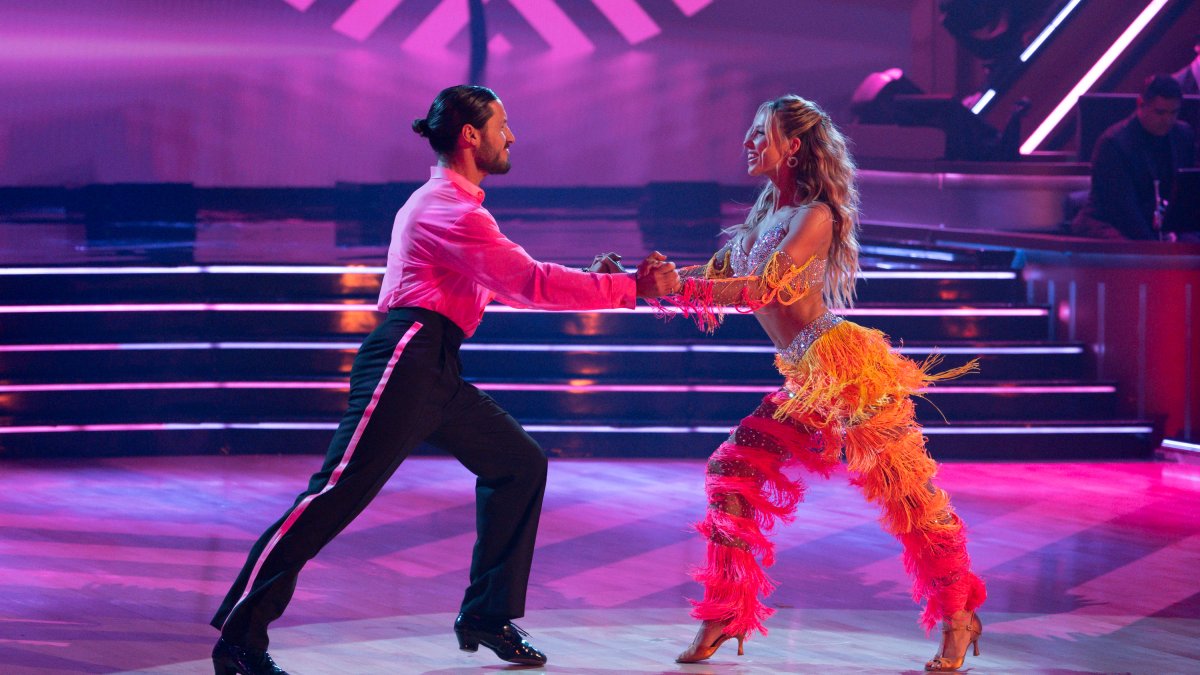
DWTS Tour Incident: Val Chmerkovskiy’s Vertigo Unpacks Operational Risks and Performer Welfare
Professional dancer Val Chmerkovskiy’s recent hospitalization for severe vertigo during the ‘Dancing with the Stars Live’ tour serves as a compelling case study illuminating the intricate operational risks and intense performer welfare considerations inherent in high-stakes live entertainment productions. Despite experiencing symptoms for days, Chmerkovskiy’s commitment to completing a scheduled performance at the Prairie Home Alliance Theater in Peoria underscores the pervasive pressure within the industry to maintain show continuity and deliver on audience expectations, even amidst significant physical discomfort.
Operational Resilience and Response Protocols
The rapid mobilization of medical support, including a dedicated tour physical therapist and local Peoria hospital staff, demonstrates the critical logistical framework required for managing unforeseen health crises in traveling productions. This incident tested the tour’s operational resilience, highlighting the necessity of integrated medical provisions and agile scheduling within rigid multi-city itineraries. Chmerkovskiy’s designated day off for medical tests illustrates a vital operational flexibility, balancing performer welfare with commercial imperatives. The tour’s overall continuity, despite a principal dancer’s temporary absence, reflects robust contingency planning and the depth of talent, essential for mitigating disruptions and maintaining the production’s brand value.
Performer Welfare and Occupational Hazards
Chmerkovskiy explicitly attributed the exacerbation of his Benign Paroxysmal Positional Vertigo (BPPV)—an inner ear issue affecting balance—to the constant motion of tour travel. This direct operational friction point reveals how standard logistics can directly impact a performer’s health and functionality, particularly in physically demanding roles requiring exceptional balance, coordination, and stamina. Such occupational risks necessitate comprehensive health monitoring, specialized medical expertise, and responsive support systems to ensure performer longevity and safety. Production companies bear an implicit duty of care, demanding proactive risk management strategies that ensure access to appropriate medical facilities and personnel, as exemplified by this incident.
Strategic Communication and Brand Management
In the digital age, celebrity health events unfold in real-time, necessitating swift and transparent communication. Chmerkovskiy strategically utilized social media platforms to inform his fanbase, sharing a video from his hospital bed to manage public concern and control the narrative. His precise communication, ruling out severe diagnoses like a brain tumor and labeling the event a ‘small hiccup,’ effectively alleviated widespread fan anxiety. This proactive engagement and sophisticated crisis communication ensured transparency while maintaining a positive outlook on his recovery, thereby safeguarding the brand perception and operational integrity of ‘Dancing with the Stars Live’ during a critical period.
Economic and Systemic Implications for Live Entertainment
While the direct financial impact of this specific incident on the tour is not detailed, the temporary absence of a key draw like Chmerkovskiy, a ‘three-time winner’ and ‘long-time favorite,’ carries significant implications for ticket sales and ancillary revenues. Such potential financial exposure underscores the broader economic footprint of touring productions on local economies and the imperative for comprehensive financial planning. Incidents like this contribute to the ongoing evolution of health and safety standards within the live entertainment industry. They serve as practical case studies that can prompt a review of operational protocols—influencing travel schedules, medical personnel allocation, and pre-tour health screenings—thereby enhancing the long-term sustainability and safety of touring productions.
Conclusion
Ultimately, Val Chmerkovskiy’s experience vividly reminds us that performer health is not merely a personal concern but a critical operational variable directly impacting the viability and success of large-scale entertainment ventures. Strategic career planning for high-profile artists must integrate robust health management to sustain peak physical condition, address issues promptly, and maintain professional longevity and audience appeal.