The four-game set between the San Francisco Giants and Los Angeles Dodgers serves as a diagnostic benchmark for two NL West organizations navigating divergent trajectories. While San Francisco recently capitalized on a shorthanded Dodgers roster to secure a series win, this iteration features a Los Angeles squad restored to full operational capacity. The return of Mookie Betts fundamentally recalibrates the competitive leverage, neutralizing the personnel deficit that San Francisco previously exploited.
The First-Inning Leverage Gap: Yamamoto vs. Houser
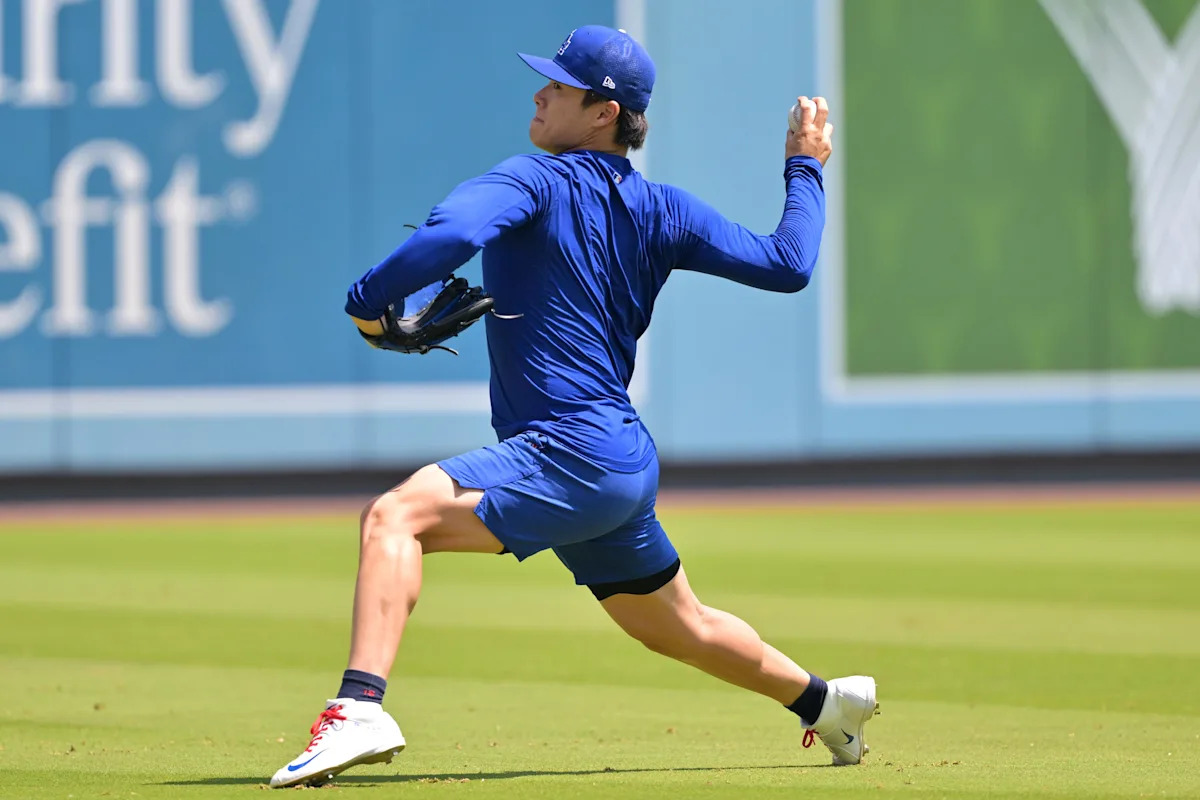
Tactical scrutiny focuses on the documented early-game fragility of both starters, Yoshinobu Yamamoto and Adrian Houser. Despite his high-ceiling rotation status, Yamamoto has demonstrated a systemic struggle in the opening frame, conceding six of his season’s total runs in the first inning alone. This pattern of exposure was evident during his April 21 outing against the Giants, where a three-run first inning dictated a loss despite seven subsequent innings of stability. For the Dodgers’ staff, this is no longer an anomaly but a sequencing hurdle that requires immediate adjustment.
Conversely, Adrian Houser faces more acute execution failures, surrendering eight runs and five home runs in the first inning across seven starts. This shared vulnerability creates a high-leverage environment from the initial pitch, likely incentivizing aggressive early-count swings from both lineups. With a 6.19 ERA and a 5.56 xERA, Houser operates with a negligible margin for error against a high-efficiency Dodgers offense optimized to exploit regression-prone starters.
The Betts Multiplier and Structural Lineup Dynamics
Mookie Betts’ reintegration functions as a strategic multiplier, altering the entire offensive ecosystem. During the Giants’ previous success, the absence of Betts allowed San Francisco’s pitching staff to navigate the order with significantly reduced structural risk. His presence now forces Houser and the Giants’ bullpen into defensive counts and more conservative pitching profiles, testing the validity of the Giants’ recent momentum. The internal narrative that San Francisco has “turned a corner” faces its most rigorous validation test against a fully realized Dodgers lineup.
Predictive Metrics and Performance Sustainability
While Houser recently allowed only one earned run over six innings against San Diego, his 5.56 xERA suggests his actual performance is lagging behind expected outcomes. In the atmospheric conditions of Dodger Stadium, the probability of Houser sustaining success without significant defensive support is statistically low. The Giants’ reliance on Houser is further complicated by a 1-6 team record in his starts, highlighting a failure to provide run support or bullpen stabilization during his high-stress outings.
Commercial Integration and Media Narratives
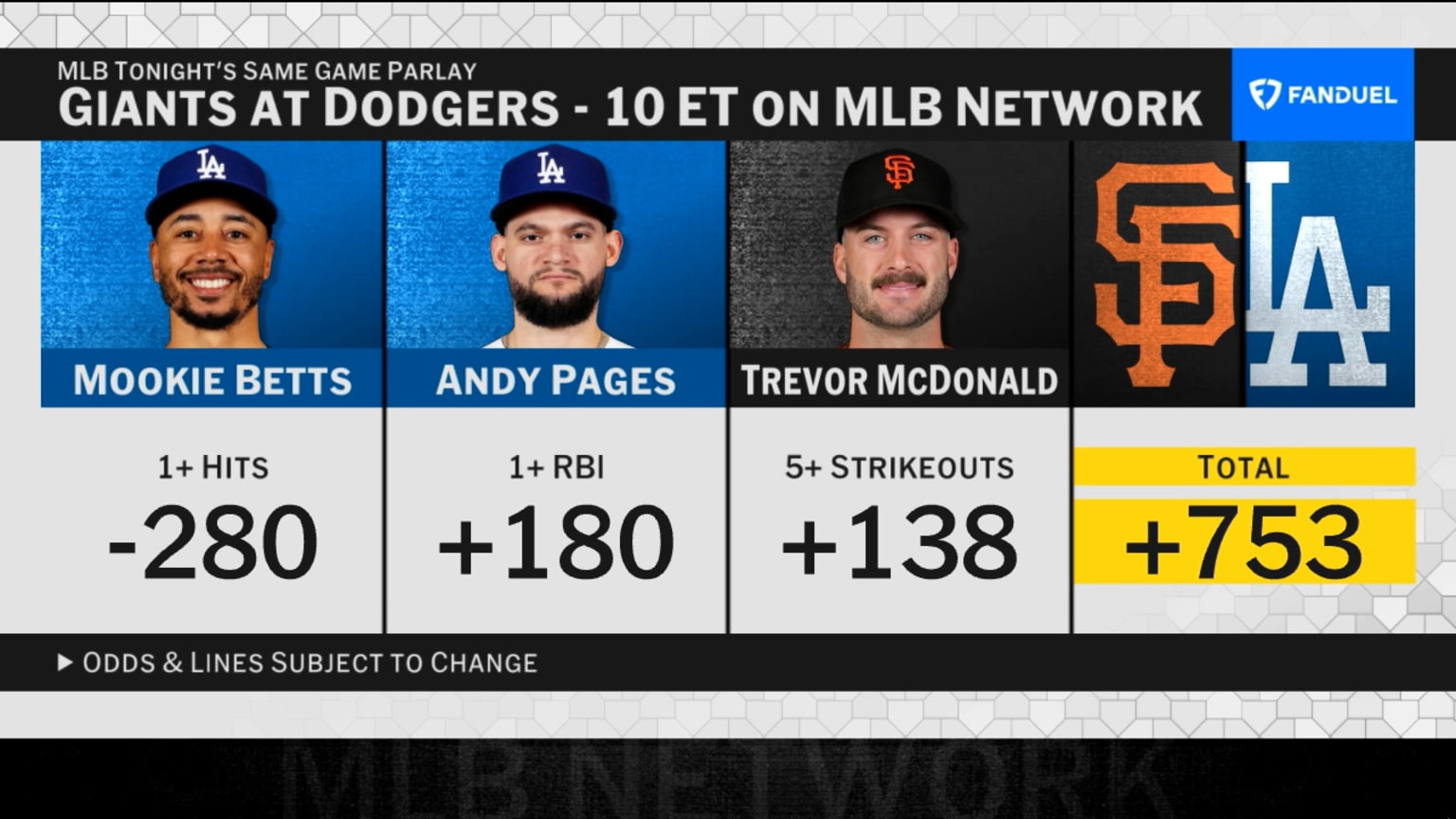
The Giants-Dodgers rivalry remains a primary driver for the sports betting ecosystem, with platforms like FanDuel prioritizing “Same Game Parlays” centered on specific player volatility. This commercial layer intensifies the scrutiny on Yamamoto’s first-inning metrics, as gambling analytics increasingly dictate mainstream media narratives. As SportsNet LA and multi-lingual radio syndicates broadcast the series, the results will likely define the divisional power ranking heading into the summer months, stripping away the “small sample size” shields both teams have used to justify early-season inconsistency.