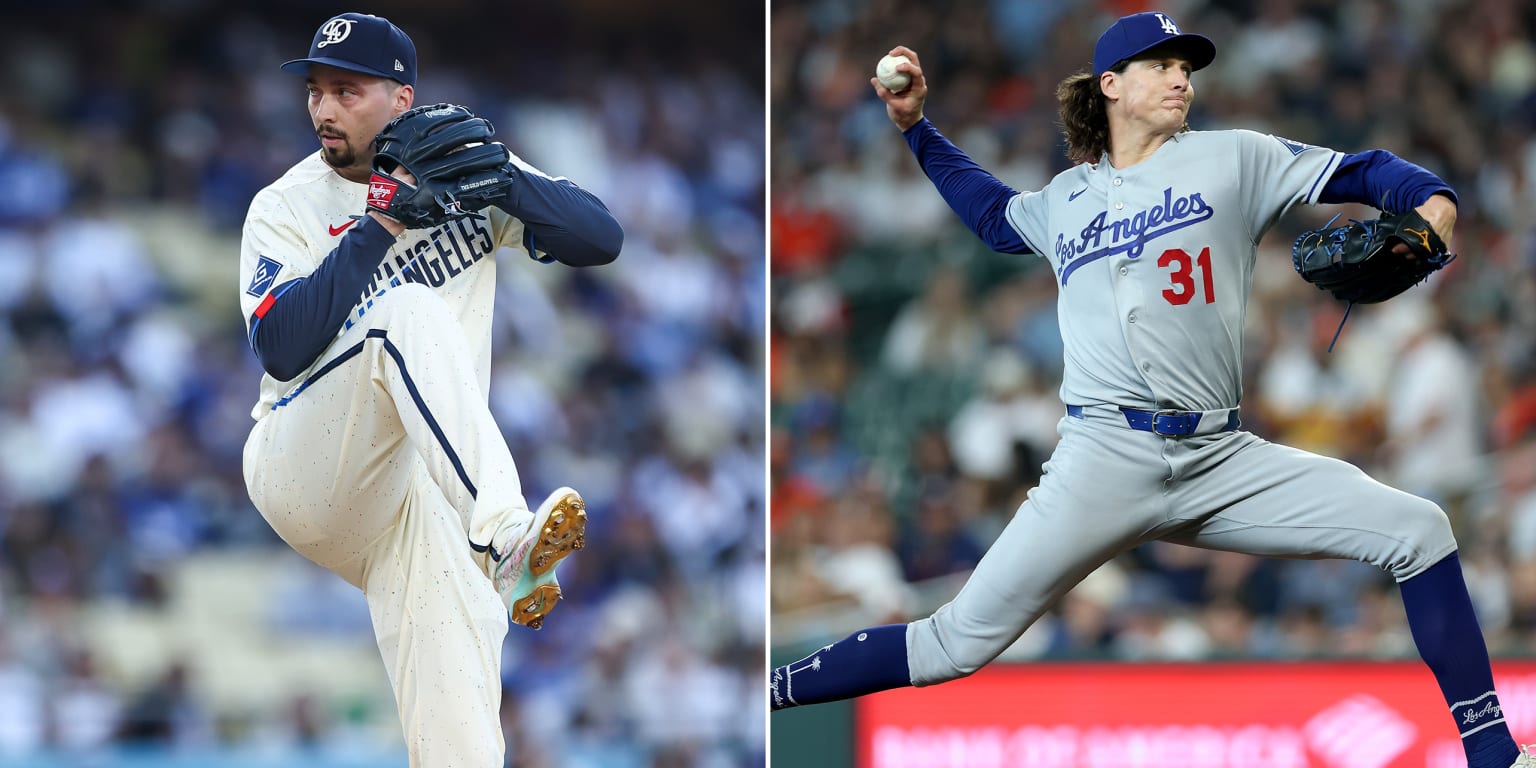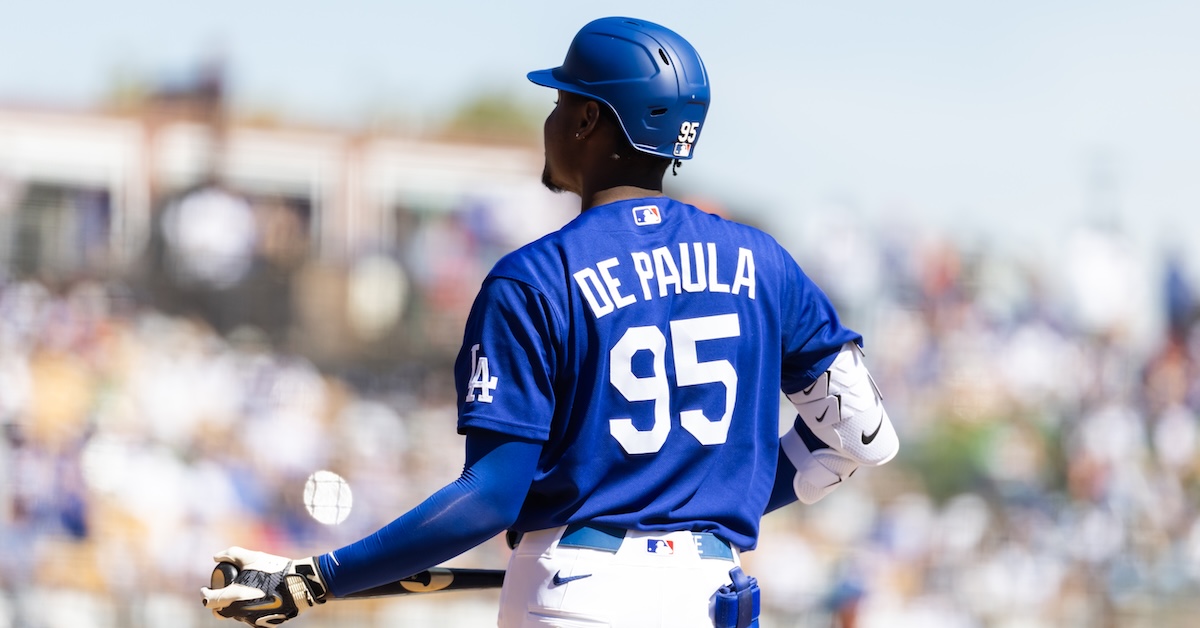
The Los Angeles Dodgers are signaling a strategic pivot at the upcoming August 3 Trade Deadline, prioritizing the return of currently sidelined star players over navigating a potentially volatile trade market. This approach underscores a pronounced confidence in the club’s existing roster depth and the efficacy of its player development and rehabilitation programs.
Strategic Posture Amidst Dominant Division Lead
Operating with a commanding 12.5-game lead in the National League West, the Dodgers are positioned to contend without necessitating significant mid-season roster overhauls. This comfortable standing allows for a measured approach, focusing on optimizing the current roster and integrating returning talent rather than executing high-stakes trades that could disrupt team chemistry or deplete valuable farm system assets.
Reinforcement Through Rehabilitation, Not Acquisition
Team leadership, notably President of Baseball Operations Andrew Friedman, has clearly indicated that the primary objective is the return of key players from injury, effectively acting as significant reinforcements. This strategy acknowledges the inherent risks, inflated costs, and potential disruption associated with acquiring established talent via trade, especially in a market that frequently overvalues impact players.
The Dodgers have adeptly managed significant injuries to key offensive contributors like Tommy Edman, Teoscar Hernández, and Will Smith. They attribute this resilience to the sustained productivity of veteran stars and the emergence of promising younger players such as Andy Pages and Dalton Rushing. This internal development pipeline significantly mitigates the immediate pressure to seek external solutions for offensive gaps.
Pitching Rotation Dynamics: From Survival to Strength
On the pitching front, the narrative has shifted from mere survival to one of impending reinforcement. The rotation, previously strained by the absence or limitations of multiple key arms, is poised to benefit from the return of crucial starters. This internal strengthening directly addresses critical needs without the expenditure of top prospects or significant financial outlay in the trade market.
Younger pitchers have been instrumental in maintaining the team’s competitive standing, with Yoshinobu Yamamoto and other emerging talents shouldering significant workloads. The impending return of established starters signals a potential return to full strength, significantly enhancing the team’s overall pitching depth and reducing reliance on less experienced arms.
Prospect Pipeline Depth vs. Trade Imperatives
The Dodgers’ farm system is widely recognized for its depth, particularly in outfield prospects and hard-throwing pitchers with potential reliever profiles. While this depth offers valuable trade currency, the team’s current strategic inclination suggests a pronounced reluctance to part with top-tier prospects unless an exceptionally compelling, franchise-altering opportunity arises.
Industry analysis indicates that trades for established star players typically require the sacrifice of elite minor leaguers, a cost the Dodgers appear less inclined to bear given their robust internal reinforcement strategy. This decision highlights the critical trade-off between immediate roster enhancement through acquisition and long-term asset preservation.
Market Volatility and Calculated Strategic Prudence
The emphasis on internal recovery over external acquisition reflects a calculated assessment of current market conditions. The trade deadline frequently witnesses inflated valuations for available talent, creating a high-risk, high-reward environment for potential buyers.
By prioritizing the return of their own players, the Dodgers effectively mitigate the risk of overpaying for talent that may not provide a substantial upgrade or could disrupt established team dynamics. This approach conserves valuable capital, both in terms of financial resources and developmental assets, for future strategic initiatives.
Broader Implications for Contending Teams
The Dodgers’ conservative stance has broader implications for other contending teams. A more measured approach by a prominent club like the Dodgers could influence the market by reducing demand for certain types of assets or signaling a broader belief that internal solutions are sufficient for immediate needs. This could potentially impact teams evaluating moves for players like Alex Call.
This strategic decision also suggests a deep-seated confidence in the club’s medical and performance staff to effectively manage player rehabilitation and ensure that returning stars are integrated seamlessly back into the team’s operations. The ultimate success of this strategy hinges on the timely and effective return of these key players to their pre-injury performance levels.
Performance Leverage and Strategic Capital Allocation
The Dodgers’ sustained ability to maintain a substantial division lead, even with significant injuries, points to strong underlying performance leverage. This leverage affords them considerable strategic flexibility, enabling a focus on optimizing existing resources rather than being forced into reactive trade-deadline maneuvers.
The crucial capital allocation decision—whether to invest in external talent via trade or rely on internal recovery—is central to their current strategy. By choosing the latter, the Dodgers are making a significant bet on their player development pipeline and the resilience of their core roster, a strategy that promises substantial long-term benefits if successful.
Competitive Landscape and Long-Term Outlook
As the trade deadline approaches, the Dodgers’ strategic posture will be closely scrutinized by competitors and analysts. Their decision to prioritize internal reinforcements over potentially costly external acquisitions represents a calculated risk, one that could either solidify their position as a dominant force or expose vulnerabilities if returning players do not perform at expected levels.
This approach also highlights a potential trend among well-established franchises with strong farm systems and robust player development infrastructure. The ability to generate internal talent and effectively manage player health can reduce reliance on the often-speculative trade market, offering a more sustainable path to sustained success.
The Foundational Role of Player Development
The Dodgers’ organizational philosophy, deeply rooted in player development and cultivating talent from within, is a pivotal factor in their current strategic decision-making. The demonstrated success of this long-term investment, evidenced by the emergence of players like Pages and Rushing, provides a viable and cost-effective alternative to immediate external solutions.
This reliance on internal growth also fosters a stronger sense of continuity and team cohesion. Players who have progressed through the system often possess a deeper understanding of the team’s culture and objectives, contributing to on-field performance and long-term stability.
Financial Prudence and Sustained Asset Management
Beyond immediate competitive implications, the Dodgers’ strategy also reflects a degree of financial prudence. While the team possesses significant financial resources, avoiding a high-priced trade acquisition conserves payroll flexibility and prevents the encumbrance of long-term contracts tied to players acquired under deadline pressure.
Furthermore, preserving top prospects is paramount for long-term asset management. These players represent future potential, serving as both core contributors and valuable trade assets for future transactions, thereby ensuring the club’s sustained competitiveness.
The Trade Deadline as a Market Indicator
The strategic actions of teams like the Dodgers at the trade deadline serve as significant indicators of market sentiment and organizational confidence. Their decision to rely on internal solutions, rather than engaging in potentially costly bidding wars for external talent, suggests a strong belief in their current trajectory and the robustness of their player development pipeline.
This strategic choice may also influence the behavior of other teams. If a prominent contender like the Dodgers opts for a more conservative approach, it could embolden other clubs to adopt similar strategies, potentially leading to a less active trade market overall or shifting the focus to different types of available assets.
Operational Efficiency and Risk Mitigation in Player Health
The Dodgers’ focus on player rehabilitation and return from injury underscores the operational efficiency of their medical and performance staff. Successfully managing player health and ensuring a smooth reintegration process are critical components of modern baseball operations.
By mitigating the risk associated with player injuries through effective recovery protocols, the team reduces the perceived need for external insurance policies in the form of trade acquisitions. This operational strength provides greater strategic autonomy and a more predictable path to achieving full roster potential.
Long-Term Strategic Vision: Sustainable Success
Ultimately, the Dodgers’ current trade deadline posture is a direct reflection of a long-term strategic vision that prioritizes sustainable success. Building a strong farm system, developing talent internally, and proactively managing player health are the foundational elements of this approach.
This strategy aims to cultivate a consistently competitive team capable of adapting to evolving market conditions and player availability, rather than relying on short-term fixes. The success of this approach will be measured not only by their performance in the current season but also by their ability to maintain a high level of competitiveness in the years to come.