Institutional Risk Management and Brand Sanitization
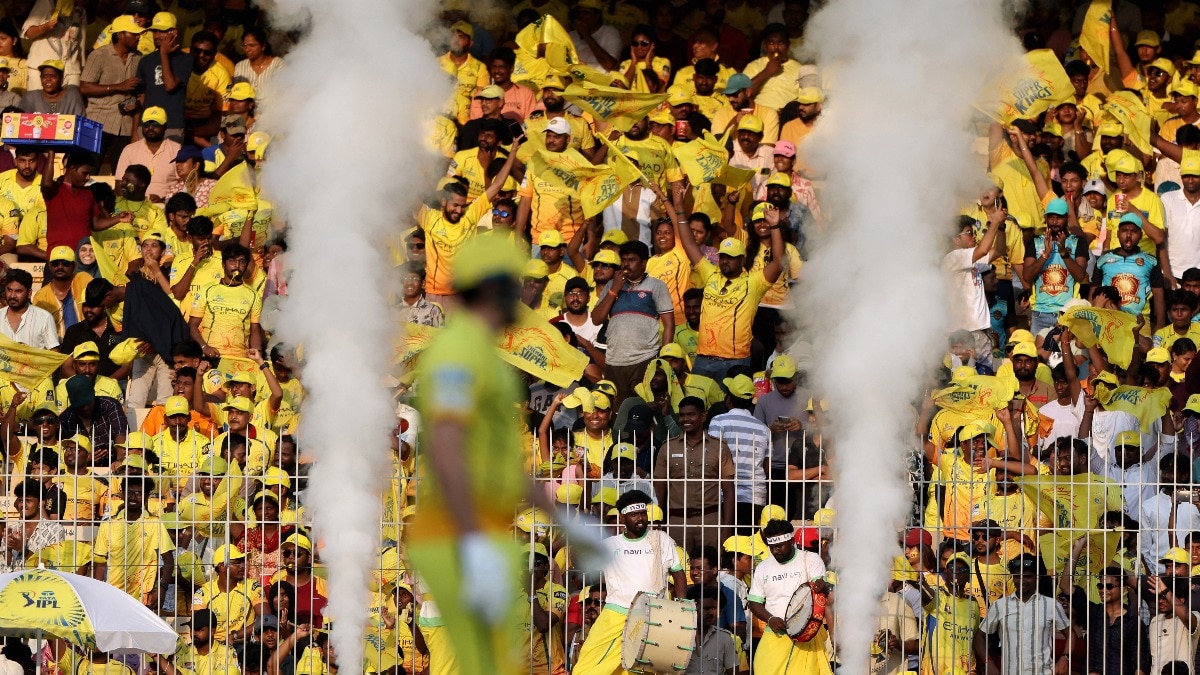
The Chennai Super Kings (CSK) management has implemented a rigorous advisory prohibiting political paraphernalia—including banners and hoardings—at the MA Chidambaram Stadium for the IPL 2026 encounter against Lucknow Super Giants (LSG). This directive functions as a strategic safeguard, decoupling the franchise’s commercial identity from Tamil Nadu’s volatile political climate following the elevation of actor-turned-politician Vijay to Chief Minister. By mandating a depoliticized environment, CSK aims to mitigate the risk of the stadium becoming a theater for partisan friction, ensuring the venue remains a controlled space for global broadcast products.
The emergence of the TVK party as a governing entity has introduced unique pressures on venue security and stakeholder relations. For CSK, maintaining institutional neutrality is a commercial imperative to protect brand equity and satisfy BCCI and sponsor requirements for a sanitized, entertainment-first atmosphere. This proactive governance prevents the politicization of the ‘Yellow Army,’ a demographic central to the league’s high-valuation media rights ecosystem.
The Leadership Vacuum: Economic and Tactical Implications
The continued absence of MS Dhoni from the active roster remains the central narrative influencing CSK’s operational and competitive framework. As Ruturaj Gaikwad navigates this transition, the franchise faces the challenge of institutionalizing tactical clarity without its traditional anchor. The reliance on Sanju Samson for wicketkeeping duties signifies a shift toward external asset acquisition to bridge the technical gap left by the former captain. From a market perspective, while Dhoni’s absence threatens engagement metrics, the ‘must-win’ urgency of the LSG fixture serves as a countervailing force for viewership retention.
Meteorological Variables and Data-Driven Toss Selection
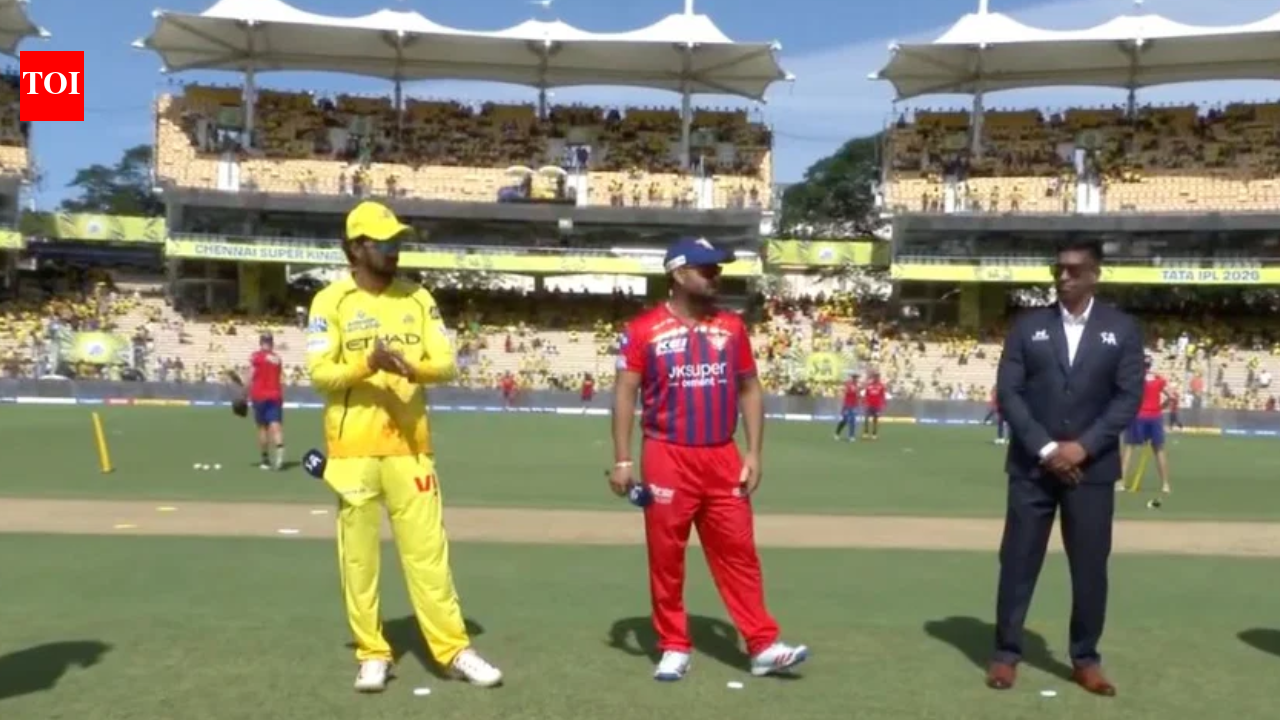
Gaikwad’s decision to bowl first was a calculated response to prolonged surface moisture. With the pitch remaining under covers due to inclement weather, the initial conditions offer lateral movement and atmospheric assistance for seamers. This tactical choice prioritizes the mitigation of the ‘dew factor,’ a common impediment for second-innings bowling units in humid climates. For LSG, being forced to set a target requires immediate top-order adaptation to a surface that has lacked exposure to natural sunlight, placing significant pressure on Rishabh Pant’s leadership to calibrate a defendable total.
Roster Optimization and International Asset Allocation
Lucknow Super Giants have signaled a strategic pivot by integrating Josh Inglis into the XI at the expense of domestic bowling variety. By utilizing an overseas slot for offensive firepower, LSG aims to bolster their middle-order strike rate, anticipating a high-scoring ceiling despite initial moisture. Conversely, CSK’s decision to maintain an unchanged lineup reflects a commitment to role continuity and structural stability. This management philosophy seeks to consolidate momentum gained after an early-season slump, prioritizing psychological resilience over reactive roster churn.
Commercial Stakes of the Post-Season Race
The ‘must-win’ classification of this fixture carries significant financial weight. In the IPL’s parity-driven landscape, failing to reach the playoffs results in the loss of incremental revenue streams, including gate receipts and sponsorship performance bonuses. As a marquee franchise, CSK’s trajectory directly correlates with league-wide advertising yields. Successfully navigating this high-pressure transition without Dhoni is the ultimate test of the franchise’s structural integrity and its ability to remain a dominant commercial and competitive force.