New Fossil Discovery Challenges Cretaceous Ecosystem Models
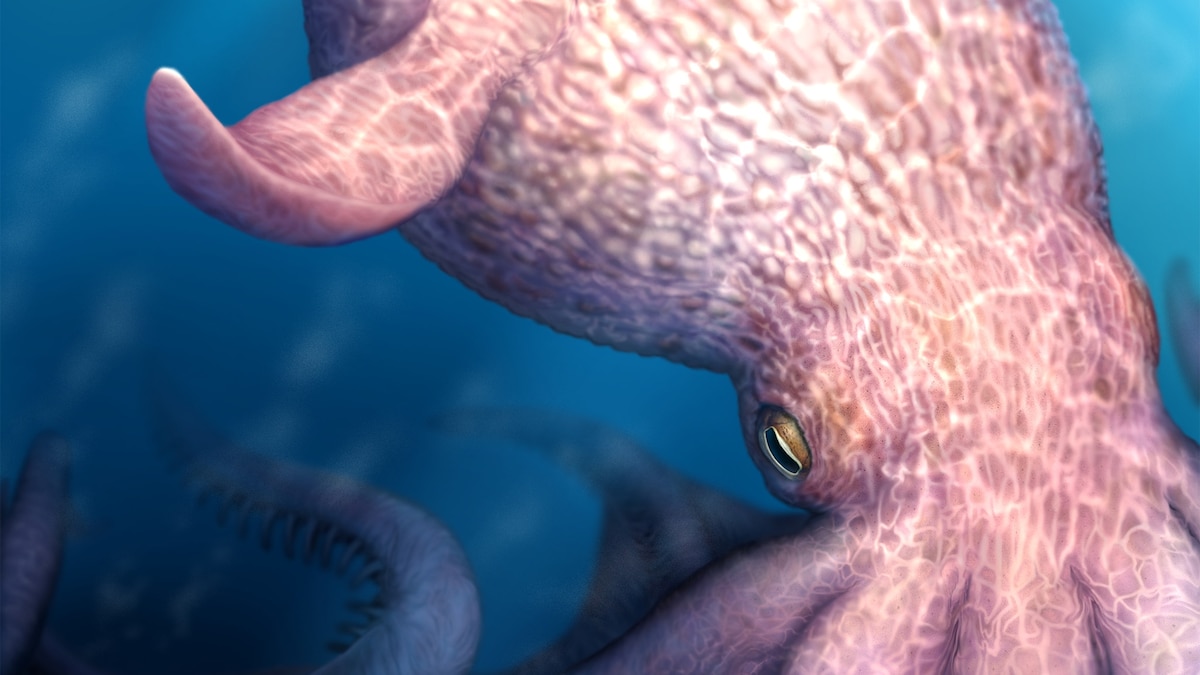
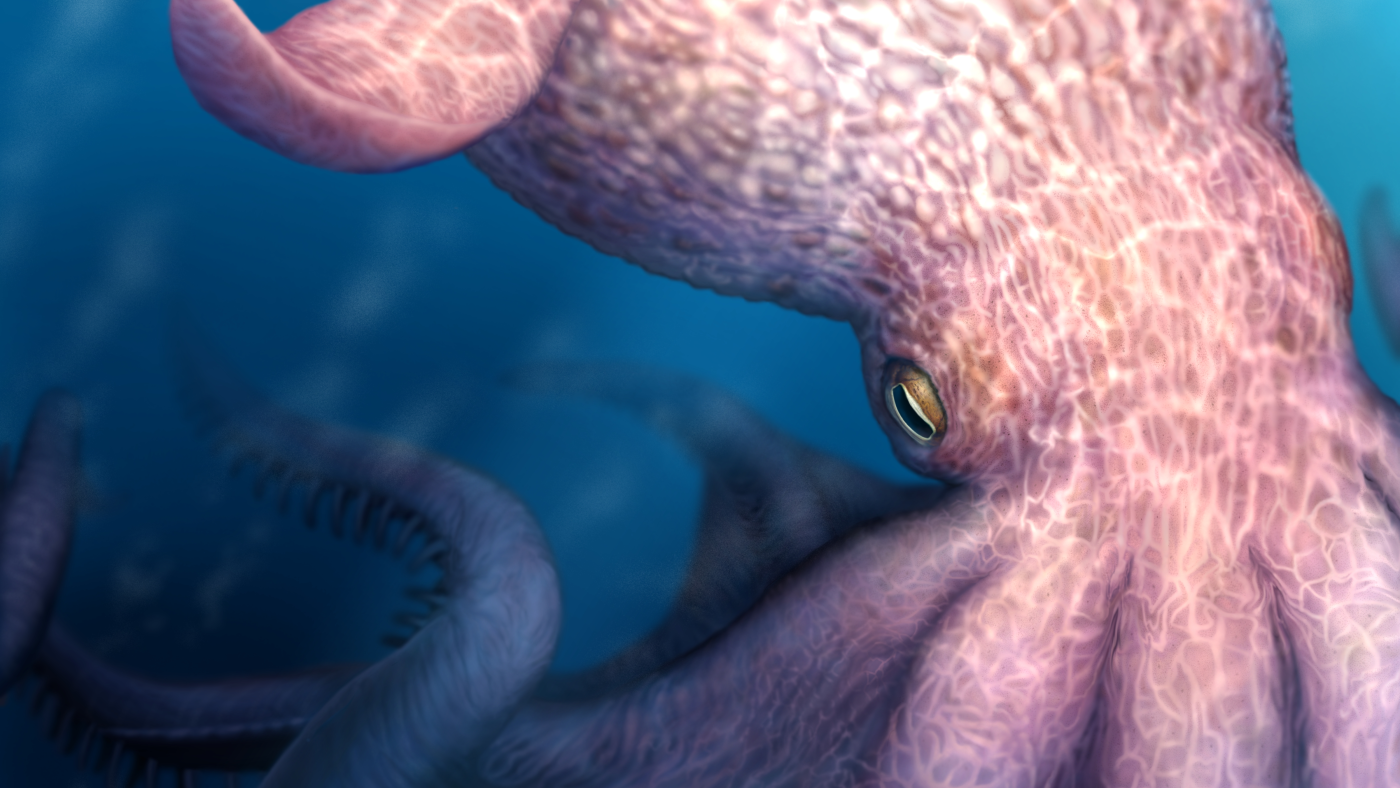
The recent identification of a colossal ancient octopus, Nanaimoteuthis haggarti, necessitates a significant re-evaluation of competitive dynamics within late Cretaceous marine ecosystems. Researchers, utilizing fossilized beaks, estimated the creature reached lengths of approximately 60 feet, positioning it as a dominant apex predator that rivaled large vertebrates like mosasaurs for control of the prehistoric seas. This finding challenges established assumptions regarding the trophic hierarchy of the Mesozoic era, where large marine reptiles were long considered the undisputed rulers. The discovery suggests a greater complexity in predator-prey relationships, indicating that soft-bodied organisms occupied a higher position on the trophic pyramid than previously recognized.
Methodology and Reconstruction of Soft-Bodied Organisms
The methodology employed in identifying N. haggarti highlights the innovative techniques required to reconstruct the characteristics of soft-bodied organisms, which rarely leave complete fossil records. Unlike vertebrates, whose skeletons provide extensive data, octopuses and other cephalopods primarily leave behind hard structures like beaks (rhyncholites). The successful use of these fragmented remains to extrapolate a 60-foot length demonstrates a significant advancement in paleontological data interpretation and analytical modeling. This approach leverages limited fossil evidence to make substantial conclusions, underscoring the critical role of specialized expertise in overcoming data scarcity inherent in studying ancient life forms and providing a new benchmark for future studies of extinct cephalopods.
Ecosystem Dynamics and Competitive Niche Partitioning
The presence of N. haggarti as an apex predator alongside mosasaurs, plesiosaurs, and large sharks suggests a complex system of niche partitioning within the late Cretaceous oceans. The source suggests N. haggarti likely feasted on crunchy prey items such as shrimp and lobster, distinguishing its diet from large vertebrates like mosasaurs that typically preyed on other vertebrates. This dietary specialization would have minimized direct competition for resources among the various apex predators, allowing for the coexistence of multiple dominant species in a highly productive ecosystem. This finding supports the hypothesis that ecological complexity during the Mesozoic era was driven by diverse feeding strategies and resource specialization rather than simple dominance hierarchies, providing a more nuanced understanding of how large-scale ecosystems function under high-pressure competitive conditions.
Strategic Implications for Scientific Research and Funding
The discovery of N. haggarti carries strategic implications for the direction of future paleontological research and institutional funding priorities. The finding validates research focused on soft-bodied organisms and invertebrates, which often receive less attention and funding compared to large vertebrate discoveries. This shift in focus may lead to increased investment in new methodologies for studying these less-preserved life forms. The identification of N. haggarti as the largest known invertebrate, surpassing the giant squid, provides significant leverage for researchers seeking grants and institutional support. The framing of N. haggarti as the “Cretaceous kraken” highlights a deliberate strategy to leverage cultural touchstones and public engagement for securing media attention, reinforcing its strategic importance for institutional prestige and research funding.