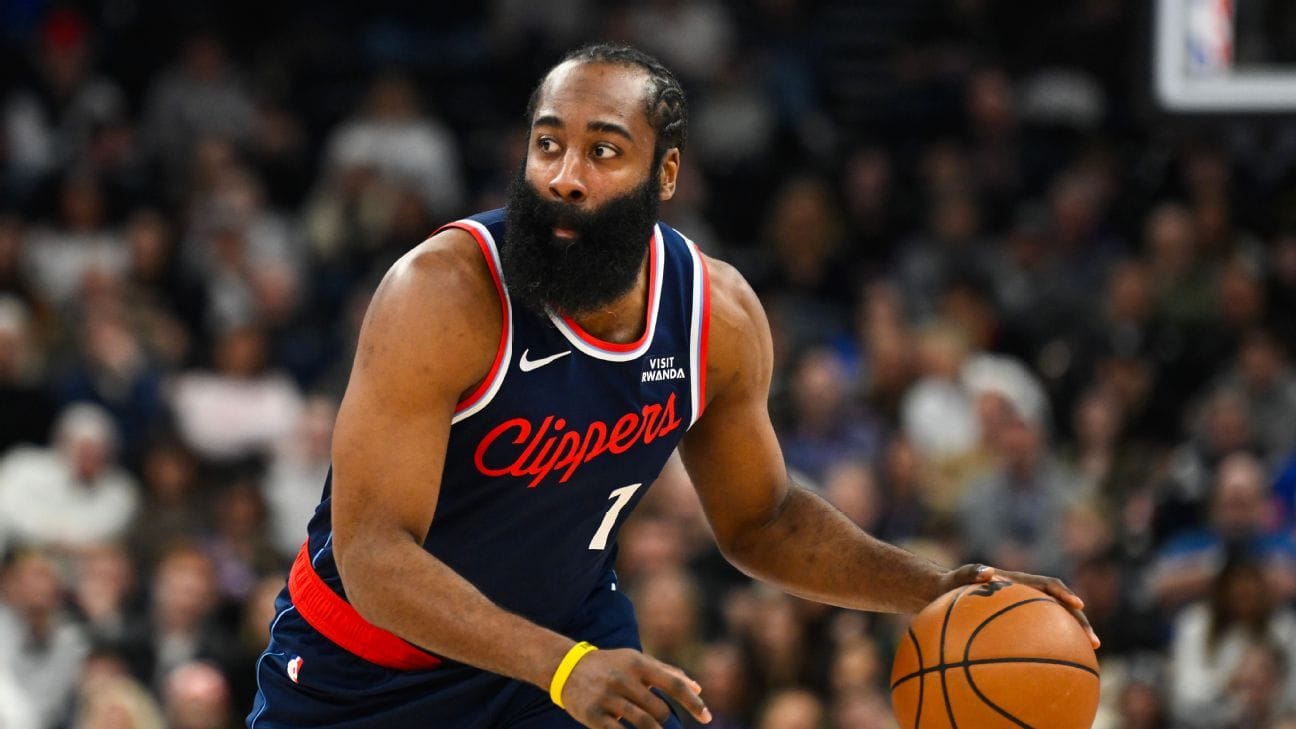
Trade Confirmed: James Harden Moves to Cleveland Cavaliers
The LA Clippers have finalized a trade sending 11-time All-Star guard James Harden to the Cleveland Cavaliers, according to sources familiar with the transaction. The agreement involves the exchange of Harden for Cavaliers guard Darius Garland and a second-round pick, sources told ESPN’s Shams Charania.
Following the completion of the transaction, the Cleveland Cavaliers began preparations for integrating the veteran guard, including developing plans for James Harden’s debut with the team. The move marks a significant shift in strategic direction for both franchises, impacting roster composition, financial structure, and future competitive outlook.
Institutional Mechanics of NBA Transactions
The trade of a high-profile player like James Harden involves intricate institutional processes governed by the National Basketball Association’s (NBA) collective bargaining agreement (CBA). These transactions are not merely exchanges of personnel but complex financial maneuvers where team executives must match salaries within specified margins and adhere to strict roster limits.
For a transaction involving a star player, the negotiation process often revolves around assessing current value against long-term asset accumulation. Teams frequently leverage future draft picks as sweeteners to complete trades, offering assets that hold potential value beyond the immediate competitive window. The inclusion of a second-round pick in this transaction reflects the standard practice of balancing current talent acquisition with future strategic flexibility, either through the development of the pick’s potential player or its use in a subsequent trade.
The Clippers’ Strategic Pivot
For the LA Clippers, the decision to trade Harden suggests a strategic re-evaluation of the team’s competitive window and organizational philosophy. The exchange of an established veteran for a younger player like Darius Garland and a future draft pick typically signals a pivot toward asset accumulation and long-term roster flexibility. This type of move allows an organization to potentially re-tool its roster structure around developing talent rather than relying solely on high-cost, short-term veteran contracts.
In professional sports, organizations frequently weigh the immediate impact of veteran talent against the long-term potential of younger players and future draft capital. The acquisition of Garland and the draft pick provides the Clippers with opportunities to either integrate a younger, high-potential player into the core lineup or use the acquired assets in future transactions to further shape the roster according to a longer-term strategic plan.
Cavaliers’ Immediate Competitive Shift
Conversely, the Cleveland Cavaliers’ acquisition of James Harden indicates an organizational commitment to immediate competitive enhancement. Adding an 11-time All-Star to the roster demonstrates a clear intent to elevate the team’s performance in the short term, prioritizing high-level talent to compete in a highly competitive conference.
Acquiring a player of Harden’s caliber necessitates significant adjustments to team strategy and dynamics. The integration process often involves re-calibrating offensive schemes, altering player roles, and managing a high-profile personality within the existing team structure. The planning mentioned by the Cavaliers for Harden’s debut underscores the logistical and strategic challenges involved in incorporating a star player into a new system efficiently functioning system under pressure.
Analyzing the Repetitive Cycle of Star Player Mobility
The source data notes that James Harden’s career often resembles a cyclical pattern, likened to a “Groundhog Day” scenario where the player frequently moves between teams in pursuit of new opportunities and organizational alignment. This observation highlights a common structural dynamic in contemporary professional sports, where star players often exert significant influence over their careers through contract negotiations, trade demands, and team selection.
This cycle of high-profile player mobility is a consequence of several interacting factors: the high pressure on franchises to win immediately, the financial incentives for both players and teams, and the relatively short competitive windows in professional basketball. When a star player fails to immediately meet expectations or a team’s performance falters, organizations often resort to re-tooling by moving the player, creating a repetitive pattern of integration and separation for the player involved.
The frequent movement of high-level talent is facilitated by the institutional framework of the NBA, specifically through mechanisms that allow players to demand trades or change teams at key contractual points. This creates a highly fluid environment where team loyalty is balanced against the pursuit of championships and individual career goals. The resulting cycle, where players move from one high-stakes situation to another, generates continuous media attention and strategic re-alignment across the league, contributing to the perceived cyclical nature noted in the source material.
Media and Structural Implications
The transaction involving James Harden generates significant media scrutiny and cultural impact within the sports landscape. The nature of high-profile trades, often first reported by specialized journalists (such as Shams Charania of ESPN), underscores the crucial role of information and access in the modern sports media ecosystem. Rumors and real-time updates surrounding these transactions fuel continuous fan engagement and market speculation.
The high-stakes nature of these transactions also highlights the organizational pressure on front offices. The decision to trade a star player, or acquire one, represents a significant risk and reward calculation. The outcome of these decisions directly affects team performance, financial stability, and fan sentiment, reinforcing the importance of strategic planning within the league’s competitive and economic structure.
Ultimately, this transaction represents more than just an exchange of players. It is a re-alignment of organizational philosophies for both the Clippers and the Cavaliers, reflecting the inherent instability and constant strategic maneuvering required within the confines of professional basketball’s collective bargaining agreement and competitive pressures. The trade exemplifies the high-stakes environment in which teams must balance immediate competitive goals against long-term asset management in pursuit of success.