Chris Johnson Discloses ALS Diagnosis, Elevating Athlete Health Discourse
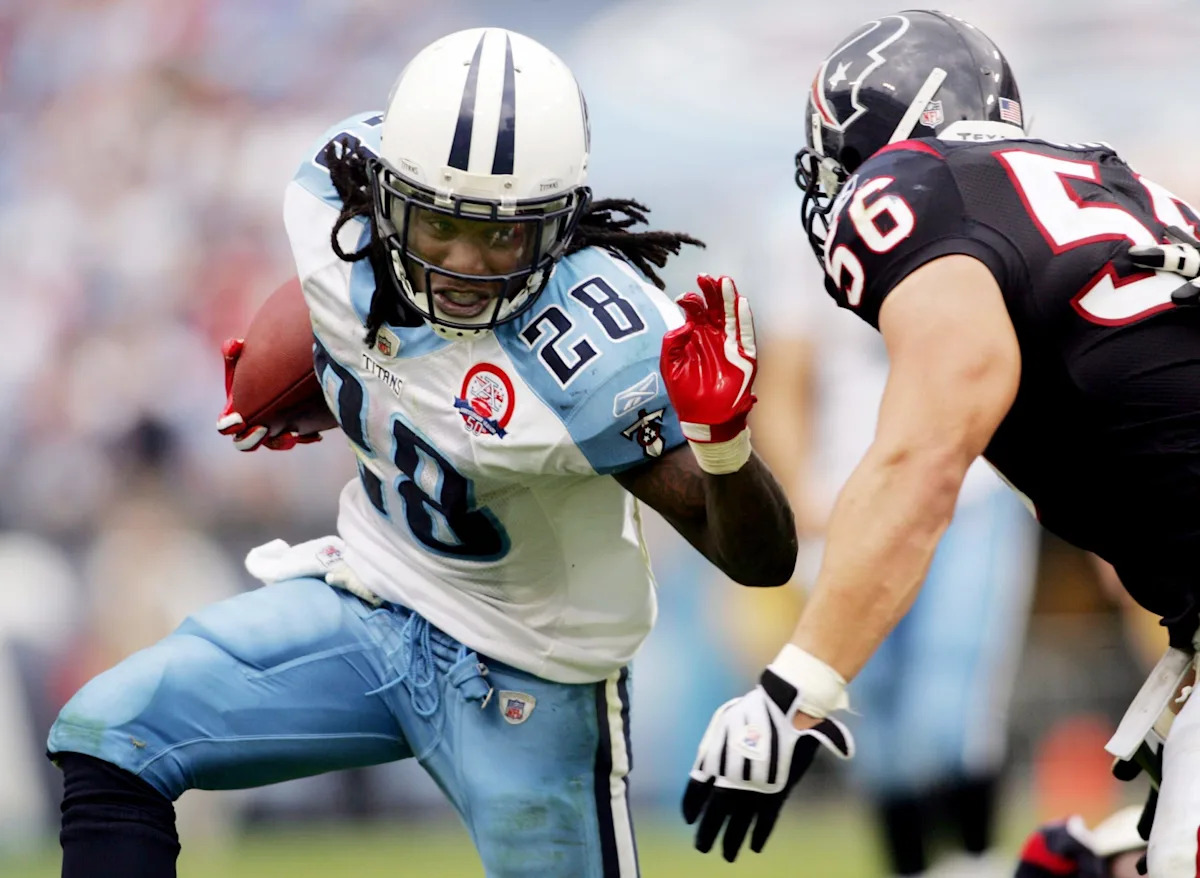
Former NFL running back Chris Johnson, a three-time Pro Bowl selection, has publicly announced his diagnosis of Amyotrophic Lateral Sclerosis (ALS) at the age of 39. The revelation, made during an exclusive interview with Michael Strahan on ABC News’ ‘Good Morning America,’ immediately amplified public attention to the multifaceted implications of neurodegenerative diseases, particularly within the context of elite athletics.
The choice of a national morning show and an interviewer with a background in professional sports signifies a deliberate media strategy. This approach maximizes audience reach and frames the sensitive health disclosure within a familiar narrative for sports enthusiasts, leveraging established media platforms for significant societal impact and awareness.
Sporadic ALS: Understanding Unpredictability and Public Health Ramifications
Johnson specified that his diagnosis, received last year, is believed by his medical team to be sporadic ALS. This form accounts for the majority of ALS cases and typically lacks a clear familial link, underscoring the disease’s unpredictable nature for a broad population. The absence of ALS in his family highlights the challenge for medical research in identifying definitive etiologies and preventative strategies for sporadic cases.
His personal account of shock, noting that ALS ‘can happen to someone who never expected it,’ resonates with the broader public health challenge posed by conditions with often unknown origins, emphasizing the critical need for continued research and awareness initiatives.
Elite Sports Demands and Athlete Long-Term Welfare
Johnson’s distinguished NFL career, including his first-round draft selection by the Tennessee Titans and a record-breaking 2,000-yard rushing season in 2009, exemplifies the extreme physical toll of professional football. His statement about being in peak physical condition and training daily prior to symptom onset underscores the intense physiological demands inherent to elite sports.
While no direct causal link between his NFL career and ALS is established, the diagnosis of a former high-performance athlete facing a severe neurological condition at a relatively young age inevitably draws attention to the ongoing discourse on long-term athlete health. This situation reinforces the institutional imperative for professional sports leagues to continually evaluate and enhance player welfare protocols, focusing on post-career health outcomes and robust support systems.
Strategic Media Engagement and Stakeholder Impact
The pre-broadcast promotion of Johnson’s interview generated substantial anticipation within the Titans fanbase and the broader sports community, demonstrating the power of strategic media placement in shaping public discourse. Such a carefully orchestrated announcement aims not only to inform but also to foster public empathy and direct attention toward ALS research and advocacy efforts.
This media strategy has significant implications for stakeholders, including the NFL’s ongoing narrative management regarding player health and safety, and for medical foundations reliant on public figures to amplify awareness and fundraising. The visibility of a prominent athlete sharing a personal health challenge can significantly enhance the reach and impact of public health campaigns, transforming a personal story into a catalyst for broader societal engagement and support.
Institutional Accountability in Player Health Management
The disclosure of a former star athlete’s serious health condition places an implicit spotlight on the institutional frameworks designed to support professional players post-career. These frameworks encompass medical benefits, long-term care provisions, and crucial research initiatives aimed at understanding and mitigating the health risks associated with high-impact sports.
Professional sports organizations, including the NFL, face continuous scrutiny regarding their commitment to player well-being, especially as the long-term health consequences of athletic careers become more evident. Effective management of these issues requires not only direct player support but also proactive public relations to maintain institutional reputation and foster trust among current and prospective athletes.
Economic and Social Repercussions of Degenerative Diseases
An ALS diagnosis carries substantial economic and social implications for any individual, involving significant long-term care costs and profound impacts on family dynamics. For former professional athletes, these challenges may intersect with existing benefit structures and public perceptions of post-career support systems.
The public sharing of such a diagnosis by a recognizable figure can also influence philanthropic efforts and policy discussions surrounding healthcare access and support for rare diseases. This impact extends beyond the individual, potentially mobilizing resources and advocacy for a wider community affected by similar conditions.
Advancing Neurological Health Understanding in Sports Medicine
The medical community is continuously advancing its understanding of neurological conditions like ALS and their potential interactions with environmental and occupational factors. While Johnson’s case is identified as sporadic, the broader context of high-impact sports necessitates ongoing research into all potential influences on athlete health.
This sustained scientific inquiry is critical for informing future player safety protocols, training methodologies, and post-career health monitoring programs across professional sports. The public nature of Johnson’s diagnosis contributes to collective awareness, fueling both research funding and the development of preventative strategies within the athletic ecosystem.
Reputational Stewardship and Public Trust in Professional Sports
The manner in which professional sports leagues and franchises address the health challenges faced by former players is integral to their long-term reputational management. Transparency and a demonstrated commitment to player welfare are paramount for maintaining public trust and attracting future talent.
High-profile health revelations can prompt internal reviews of existing support mechanisms and catalyze new initiatives to enhance player care, thereby reinforcing a league’s commitment to its athletes beyond their playing days. This strategic imperative is vital for sustaining the integrity and appeal of professional sports in a competitive entertainment landscape.
The Catalytic Role of Advocacy and Awareness Campaigns
When public figures like Chris Johnson share their personal health battles, it often serves as a powerful catalyst for disease advocacy and awareness campaigns. Their narratives humanize complex medical conditions, making them more relatable and urgent for a broad audience.
This heightened visibility can translate into increased public engagement, greater participation in fundraising, and stronger pressure on policymakers to allocate resources for research and patient support services. The personal narrative thus becomes a strategic asset in the broader fight against diseases like ALS, leveraging celebrity for significant societal benefit.
Future Directions in Athlete Health Initiatives
The ongoing dialogue surrounding athlete health, intensified by public disclosures like Johnson’s, contributes to the continuous evolution of health and safety standards within professional sports. This includes advancements in concussion protocols, injury prevention strategies, and comprehensive post-career medical support.
These developments reflect a strategic shift towards a more holistic view of athlete well-being, acknowledging the long-term physical and mental health implications of professional competition. The collective experiences of former players, shared through platforms like ‘Good Morning America,’ provide invaluable input for shaping future initiatives and ensuring their efficacy.