Contextual Analysis: A Shockwave Through the PLA
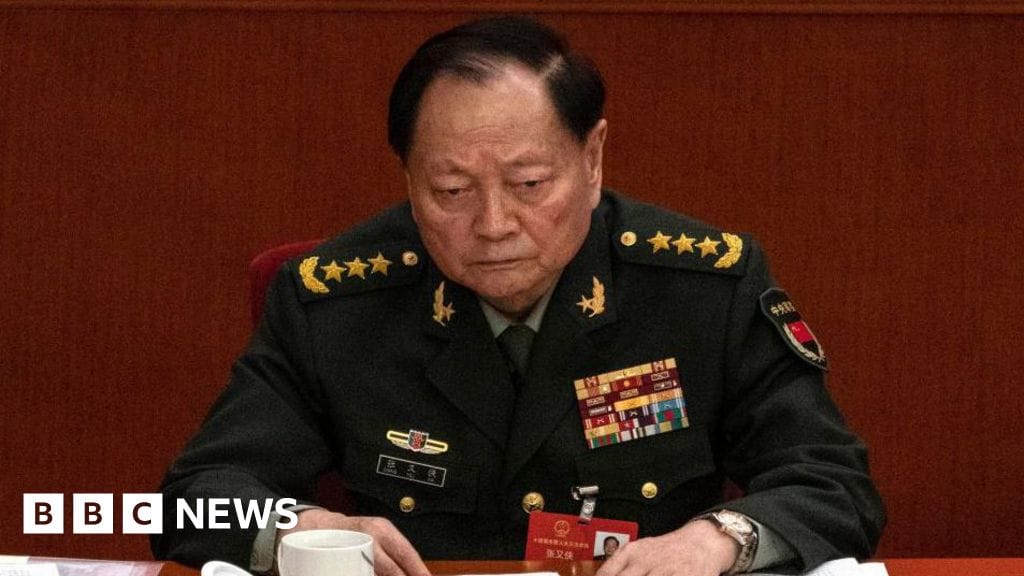
In a stunning move that has reverberated across global strategic circles, China has reportedly purged its highest-ranked military general, Zhang Youxia. This unprecedented decision by Chinese leader Xi Jinping to place a figure of such stature under investigation signals a profound upheaval within the People’s Liberation Army (PLA).
The immediate fallout suggests that the senior ranks of the PLA are now described as being ‘in tatters’. This phrase underscores a state of disarray and instability at the very core of China’s formidable military apparatus.
The Purge of Zhang Youxia
Zhang Youxia, a central figure in China’s military establishment and a close ally of President Xi Jinping, has reportedly been subjected to an internal investigation. This development is significant not only due to his elevated position but also because of his long-standing relationship with the Chinese leader.
Such a high-profile removal from power, especially of a general considered instrumental in Xi’s military reforms and modernization efforts, speaks volumes about the absolute nature of political control exercised by the Communist Party.
Immediate Fallout: PLA Senior Ranks “In Tatters”
The description of the PLA’s senior ranks as ‘in tatters’ points to widespread disruption and potential demoralization within the military. A purge of this magnitude at the highest echelon inevitably triggers a ripple effect down the chain of command, casting shadows of uncertainty over leadership and future direction.
This state of disarray could impact operational readiness, strategic planning, and the overall cohesion of China’s armed forces. Such internal turmoil often leads to a climate of suspicion and caution, potentially hindering critical decision-making processes.
The Allegations: A Grave Betrayal?
While official details remain scarce and China’s internal political processes are notoriously opaque, one report alleges that China’s top general is accused of giving nuclear secrets to the U.S. If true, this accusation represents an extraordinary security breach and an act of profound betrayal.
The very mention of such an allegation, even if unconfirmed, has far-reaching implications for China’s national security posture and its standing on the international stage. It suggests deep-seated issues that extend beyond mere corruption or political rivalry.
Why This Matters: Xi’s Absolute Control and the Military’s Future
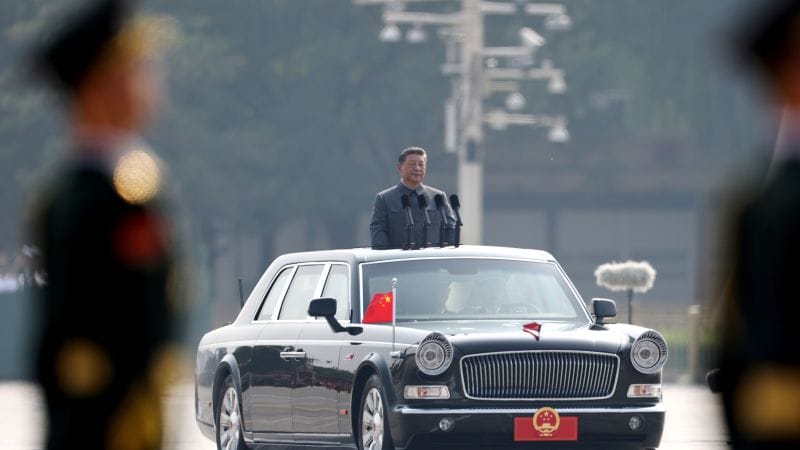
The investigation and effective purge of Zhang Youxia is more than just a personnel change; it is a powerful demonstration of President Xi Jinping’s unwavering commitment to consolidate absolute power. This move leaves Xi virtually alone at the top of the military hierarchy, reinforcing his position as the uncontested commander-in-chief.
For an authoritarian state like China, control over the military is paramount for maintaining political stability and projecting national strength. Xi’s actions signal that no one, regardless of rank or loyalty, is beyond his reach or challenge to his authority.
Consolidating Unrivalled Power
Since assuming power, Xi Jinping has systematically dismantled potential challenges to his authority, often leveraging sweeping anti-corruption campaigns. These campaigns, while ostensibly targeting graft, have frequently served as a potent tool for removing political rivals and solidifying his personal control over the party, state, and military.
The removal of a top general like Zhang Youxia fits this pattern, demonstrating Xi’s determination to brook no dissent or independent power bases within the armed forces. It ensures that the military’s loyalty remains singularly focused on him.
A History of Purges and Power Plays
China’s political history, particularly within the Communist Party, is replete with instances of purges as a mechanism for power consolidation. From Mao Zedong’s era to Deng Xiaoping’s reforms, high-stakes political maneuvers often involve the dramatic removal of high-ranking officials suspected of disloyalty or independent ambition.
Xi Jinping has followed this tradition with remarkable vigor, targeting military leaders such as Xu Caihou and Guo Boxiong earlier in his tenure. The latest purge underscores that even after more than a decade in power, Xi continues to actively cleanse and reshape the military to align with his strategic vision.
Impact on Military Modernization and Morale
The “in tatters” description of the PLA’s senior ranks points to a significant challenge to its ongoing modernization efforts. China has invested heavily in transforming its military into a world-class fighting force, capable of projecting power far beyond its borders.
However, repeated purges and instability at the top can severely undermine morale, disrupt long-term planning, and potentially slow down technological advancement and doctrinal development. The trust and cohesion vital for an effective military might erode amidst a climate of suspicion and fear.
Furthermore, the investigation into a top general accused of sharing nuclear secrets introduces a grave concern about internal security protocols. Such a breach, or even the credible allegation of one, would necessitate a comprehensive review of the entire military intelligence and security apparatus, potentially diverting resources and attention from other strategic priorities.
Broader Trends: Geopolitical Ripples and Domestic Implications
The internal political dynamics within China, particularly concerning its military, rarely remain confined to its borders. This latest development carries significant implications for regional stability, global power dynamics, and the international economic landscape.
For nations observing China, including the USA and European countries, understanding the implications of such purges is crucial for formulating foreign policy and defense strategies. It offers a glimpse into the internal health and political trajectory of a rising global superpower.
Regional Stability: Taiwan and the South China Sea
A stable and unified PLA is a key component of China’s regional ambitions, particularly concerning Taiwan and its claims in the South China Sea. Any perceived instability or weakness at the top of the military could either embolden or complicate Beijing’s calculations regarding these contentious issues.
On one hand, internal purges might suggest a more inward-looking focus as Beijing addresses domestic challenges. On the other, a strongman leader consolidating absolute control might feel more empowered to pursue aggressive external policies without internal dissent.
Global Power Dynamics: U.S.-China Relations
The allegation of a top general giving nuclear secrets to the U.S. adds an explosive dimension to already strained U.S.-China relations. Regardless of its veracity, the mere existence of such a claim fuels distrust and could exacerbate tensions between the world’s two largest economies and military powers.
Western intelligence agencies will be scrutinizing this event closely for insights into the PLA’s internal vulnerabilities and the extent of political control. The opacity surrounding the purge will only deepen concerns about transparency and predictability in Beijing’s decision-making.
The Opaque Nature of Chinese Politics
This incident vividly highlights the opaque and often ruthless nature of Chinese Communist Party politics. Decisions of immense national and international consequence are made behind closed doors, with limited public transparency or legal due process as understood in democratic nations.
The lack of clear explanations for such high-level purges forces international observers to speculate, often leading to increased uncertainty and a more cautious approach in diplomatic and economic engagement with China.
Economic Repercussions
Political instability, even when internal to an authoritarian regime, can have tangible economic repercussions. China’s economy is deeply intertwined with global markets, and any perception of heightened internal strife could affect investor confidence, supply chains, and international trade.
European and American businesses operating in or trading with China might face increased uncertainty, leading to reassessments of their exposure and strategies. The focus on internal political battles could also divert resources and attention from crucial economic reforms.
Looking Ahead: An Uncertain Path for China’s Military and Leadership
The purge of Zhang Youxia undoubtedly marks a significant moment in Xi Jinping’s tenure, further solidifying his personal power over the military. However, it also raises critical questions about the long-term stability and effectiveness of the PLA and the future trajectory of China’s leadership.
The immediate challenge will be to restore cohesion and trust within the senior ranks of the military, a task made harder by the shadow of widespread purges. The political loyalty of officers will likely become an even more paramount criterion for promotion than professional competence.
Future Leadership and Loyalty
As Xi Jinping continues to purge and reshape the military, the criteria for advancement will increasingly emphasize unwavering loyalty to the Party and, specifically, to Xi himself. This approach risks creating a military leadership that prioritizes political allegiance over merit, potentially impacting strategic acumen and operational effectiveness.
Succession planning within such a highly centralized and personalized power structure remains a significant unknown, further adding to long-term uncertainties for both domestic and international observers.
Internal Stability Versus External Ambition
The need to address internal military instability will inevitably consume significant attention and resources within Beijing. While China maintains ambitious external goals, including asserting its dominance in Asia and beyond, internal consolidation must precede effective external projection.
The ongoing purges suggest that the leadership perceives a need for deeper internal cleansing, which could temporarily shift focus from aggressive foreign policy postures or, conversely, prompt more assertive actions to project unity and strength externally.
International Scrutiny
The world will continue to closely watch China for further indications of instability or consolidation. For major international news wires like ours, detailed analysis of such events is critical to informing global audiences about shifts in one of the world’s most powerful nations.
The implications of a strongman leader with absolute military control in a nuclear-armed state cannot be overstated. Understanding these dynamics is essential for governments, businesses, and the general public across the USA and Europe to navigate an increasingly complex geopolitical landscape.