Chicago Air and Water Show 2026: Operational Scale and Strategic Implications
Scheduled for August 15-16, 2026, with public rehearsals on August 14, the Chicago Air and Water Show — now in its 67th year — stands as a monumental annual undertaking and one of the world’s largest free public spectacles. Consistently drawing over a million spectators to the lakefront, its enduring legacy profoundly embeds it within Chicago’s civic calendar, establishing it as a critical cultural anchor.
This sustained longevity and immense public draw are direct outcomes of a deliberate strategy: the free admission policy. By prioritizing universal accessibility over direct ticket revenue, the event reinforces its status as a deeply inclusive community tradition, maximizing public engagement and fostering a collective sense of civic pride.
Economic and Urban Planning Dynamics of a Mega-Event
The Air and Water Show’s colossal scale undeniably positions it as a significant economic catalyst for Chicago. Annually, the influx of over a million visitors fuels the tourism and hospitality sectors, generating substantial indirect revenues across accommodation, dining, retail, and ancillary services. This economic injection contributes demonstrably to the city’s broader fiscal health and supports local businesses.
Integrating such a mega-event into a densely populated urban lakefront demands an extraordinary level of operational planning and seamless inter-agency coordination. Municipal departments, emergency services, and public transit authorities execute extensive collaborative strategies to safeguard public safety, optimize crowd flow, and sustain essential urban services throughout the event weekend. This intricate choreography mitigates potential disruption to the city’s daily rhythm.
Strategic directives promoting CTA public transit use exemplify deliberate urban planning aimed at alleviating traffic congestion and minimizing environmental footprint. This reliance on robust public infrastructure underscores its critical role in facilitating large-scale civic events, profoundly influencing commuter behavior and optimizing resource allocation. Further precision is evident in the designation of specific rideshare pickup/drop-off points, like the North Avenue entrance to DuSable Lake Shore Drive. These granular traffic management measures are indispensable for maintaining order and efficiency in high-density zones, preventing widespread urban circulation disruption. The absence of public parking directly at the beach, complemented by recommendations for Millennium Garages, completes a multifaceted vehicular traffic strategy. This approach intelligently balances spectator accessibility with the imperative to prevent gridlock in sensitive metropolitan areas, effectively leveraging existing commercial infrastructure.
Strategic Communication and Defense Engagement
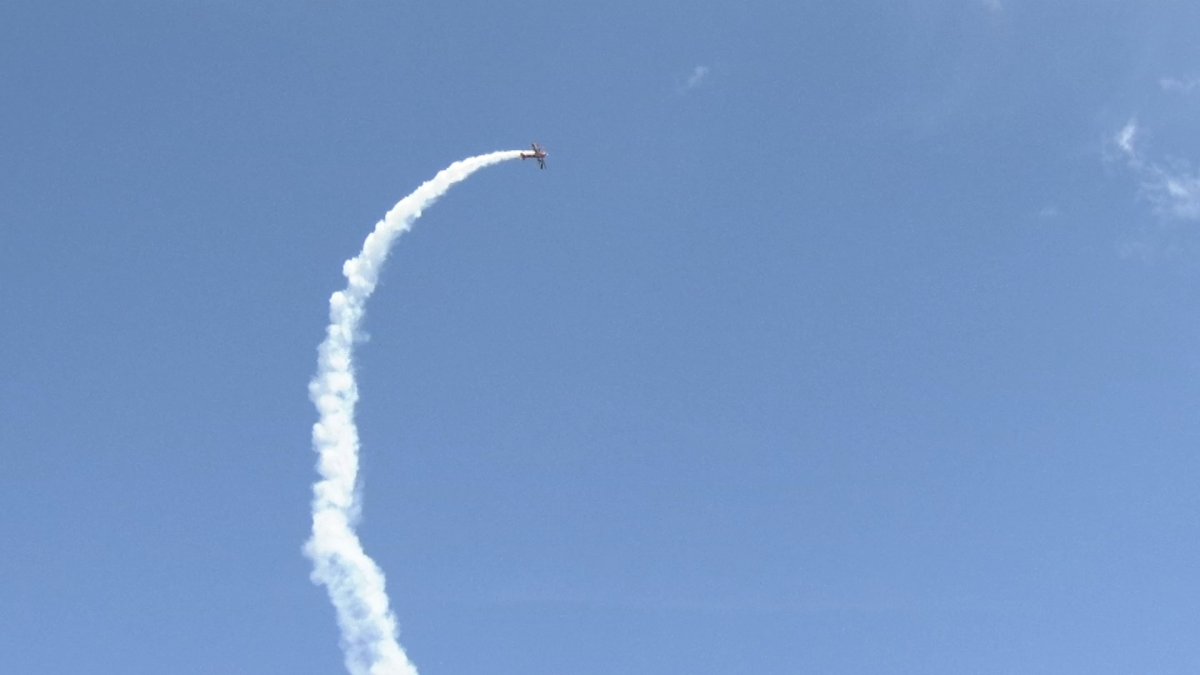
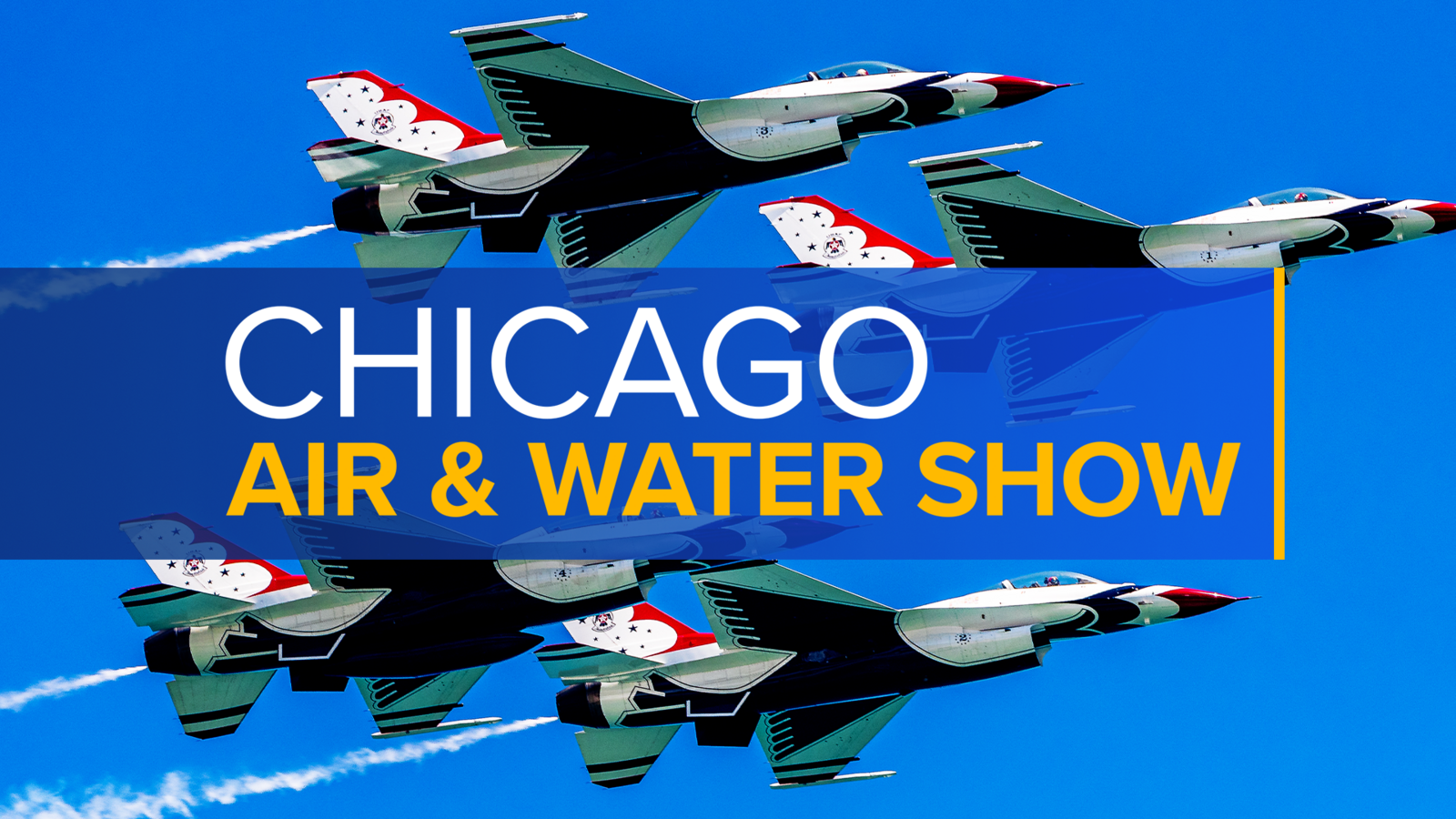
The indelible participation of elite military demonstration teams, including the U.S. Air Force Thunderbirds and the U.S. Army Parachute Team, the Golden Knights, transcends mere spectacle; it fulfills a critical strategic communication imperative. Their meticulously choreographed performances are crafted to project the unwavering pride, precision, and professionalism intrinsic to the United States Armed Forces.
These aerial displays function as potent instruments of public diplomacy, cultivating deeper public understanding and garnering support for military capabilities and personnel. The exhibition of elite pilot acumen and the advanced technological prowess of aircraft like the F-16 Fighting Falcon and the F-22 Raptor implicitly underscore the nation’s defense readiness and commitment to aerospace innovation.
Further broadening this strategic narrative is the inclusion of critical strategic airlift and refueling assets, such as the C-17 Globemaster III and the KC-135 Stratotanker. These platforms, indispensable for global power projection and sustained operational reach, provide a compelling, tangible illustration of the sophisticated logistical backbone sustaining modern defense strategies.
Beyond public outreach, the Air and Water Show serves as an unparalleled recruitment platform. It offers direct public engagement opportunities, inspiring potential recruits by vividly showcasing dynamic career paths and the profound impact of military service. The visual grandeur and interactive elements profoundly shape public perception and interest in military careers.
The inherent operational flexibility in the show’s scheduling — with performance order determined by pilots on event morning — directly mirrors the dynamic and responsive nature of military aviation. This adaptability is paramount for navigating variable factors such as weather, aircraft readiness, and stringent safety protocols, thereby reflecting genuine real-world operational demands and decision-making.
Media Strategy and Digital Reach
The strategic decision to facilitate event streaming via local broadcasters like NBC 5 critically expands the show’s audience footprint well beyond the physical limits of the lakefront. This digital accessibility adeptly addresses evolving media consumption patterns, enabling a geographically diverse viewership to engage with the spectacle.
For media entities, live, high-profile civic event coverage such as the Air and Water Show represents a prime opportunity for robust audience engagement and brand fortification. It strategically positions broadcasters as authoritative purveyors of local community events, significantly enhancing their market presence and potentially generating substantial advertising revenue through heightened viewership.
This seamless integration of traditional broadcast with cutting-edge digital streaming capabilities epitomizes a sophisticated multi-platform media strategy. This approach not only maximizes viewership and public interaction but also ensures that the event’s multifaceted impact – encompassing both its entertainment value and its strategic messaging – effectively resonates across a wide spectrum of demographic segments, amplifying its overall cultural and informational reach.
Institutional Resilience and Future Trajectories
The Chicago Air and Water Show’s remarkable 67-year tenure epitomizes its profound institutional resilience and exceptional adaptive capacity amidst evolving urban and technological paradigms. Its consistent drawing of millions of annual spectators unequivocally solidifies its status as a cornerstone civic event, significantly burnishing Chicago’s global reputation.
This sustained success is underpinned by an intricate ecosystem of public-private partnerships, involving continuous collaboration among municipal authorities, military branches, and diverse private sector entities like parking operators and media partners. This highly effective collaborative model proves indispensable for the sustained execution of an event of this scale, ensuring optimal resource allocation and unparalleled operational synergy.
Strategically positioned as a free public spectacle, the event also cultivates profound long-term civic engagement and community cohesion. By democratizing access to a high-quality, high-impact experience, it powerfully reinforces a shared sense of identity and collective pride among Chicagoans, while simultaneously serving as a potent magnet for external tourism.
Critically, the operational lessons gleaned from meticulously managing crowd logistics, transportation networks, and public safety for such a massive urban gathering offer invaluable insights for future urban planning and sophisticated event management strategies. These practical insights continuously refine best practices for orchestrating large-scale public assemblies within complex metropolitan environments.
The continuous showcasing of advanced military aviation technology also subtly yet significantly influences public discourse surrounding defense spending and technological innovation. It provides a compelling, tangible demonstration of the substantial return on investment in aerospace research and development, effectively translating abstract policy discussions into visible, high-impact demonstrations for the public.
Ultimately, the Chicago Air and Water Show transcends its immediate function as an entertainment spectacle. It stands as a sophisticated, multifaceted platform showcasing exemplary urban governance, masterful strategic military communication, significant economic leverage, and robust community engagement. All of these elements are meticulously orchestrated within an enduring framework of institutional resilience and dynamic adaptive planning.