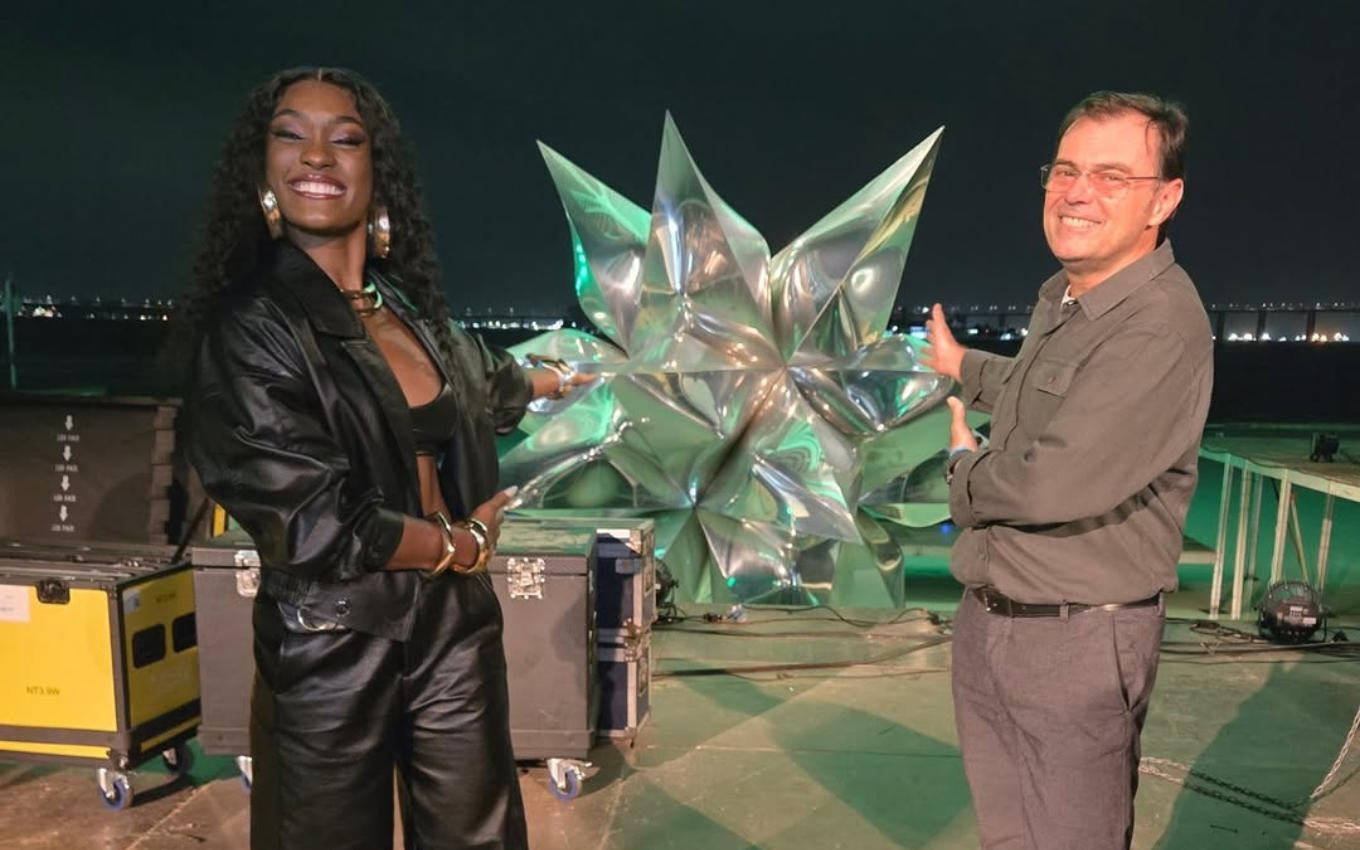
The Brazilian Football Confederation (CBF) has initiated a systemic departure from traditional administrative norms, leveraging the 2026 FIFA World Cup cycle to recalibrate its global brand identity. By selecting the Museu do Amanhã in Rio de Janeiro for its strategic announcements, the federation is signaling a transition toward a future-facing institutional model that harmonizes athletic performance with innovative sports governance.
Tactical Governance and the Ancelotti Paradigm
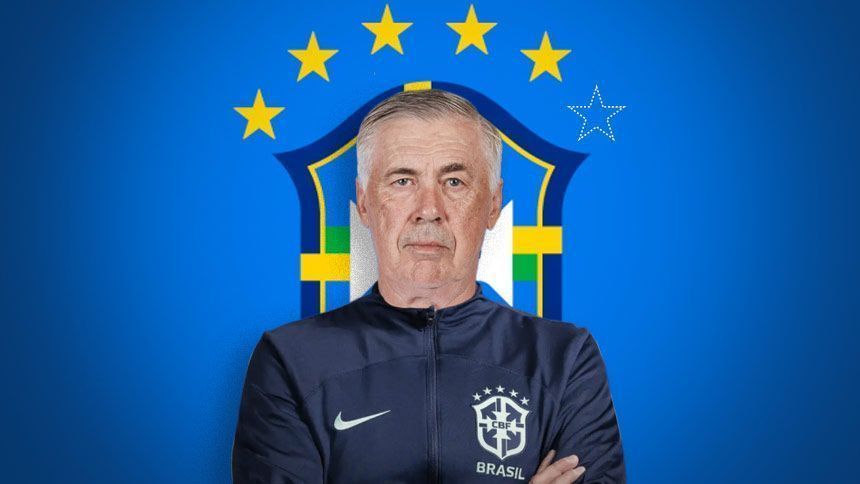
The appointment of Carlo Ancelotti serves as the cornerstone of this modernization. As the first non-Brazilian manager to lead the Seleção in the modern era, Ancelotti’s tenure represents a calculated effort to correct historical structural deficiencies. His objective is to synthesize European tactical discipline—characterized by high-intensity pressing and positional versatility—with Brazil’s traditional technical fluency, creating a hybrid model capable of dominating the increasingly physical landscape of international football.
The Spectacle of Selection: Branding in the Attention Economy
The CBF’s operational strategy for its media events reflects a sophisticated understanding of the attention economy. By integrating cultural figures like Erika Januza with veteran journalists such as Tino Marcos, the federation has transformed a standard administrative procedure into a high-value media asset. This cross-demographic engagement strategy aims to maintain the Seleção’s status as a premier cultural touchstone while maximizing reach across fragmented digital audiences.
Digital Distribution and IP Monetization
The collaboration with CNN Brasil underscores the high commercial valuation of the national team’s intellectual property. Through extensive live programming and multi-platform distribution—including digital-first streams on YouTube—the CBF is optimizing sponsor visibility and audience retention. Technical analysis from figures like Michel Bastos provides the analytical depth required by a modern, data-driven demographic, moving beyond superficial sports journalism into institutional critique.
The Neymar Paradox: Risk Management and Tactical Autonomy
Neymar remains the focal point of both tactical and commercial tension. His inclusion requires Ancelotti to execute a complex balancing act: integrating a high-profile individual talent into a cohesive system without compromising the squad’s physical sustainability. Financially, Neymar is the federation’s most potent marketing asset; however, the 2026 cycle marks a shift toward prioritizing collective performance over individual stardom, testing Ancelotti’s autonomy and the CBF’s long-term commercial pivot.
Cultural Diplomacy and Commercial Expansion
The launch of “Bate no Peito,” featuring a diverse artist collective (Ludmilla, Zeca Pagodinho, Samuel Rosa), functions as a vehicle for cultural diplomacy. By blending genres—from samba to trap—the CBF is curating a unified national narrative designed to engage Gen Z and millennial consumers. This musical integration facilitates new revenue streams via streaming royalties and brand licensing, ensuring the federation’s financial resilience heading into the expanded 48-team World Cup format.
Conclusion: A Manifesto for the Future
The 2026 roadmap is less a list of players and more an institutional manifesto. Through the synergy of professionalized management, international technical expertise, and a modernized media framework, the CBF is attempting to reclaim Brazil’s competitive dominance. The success of this campaign will ultimately be measured by the federation’s ability to convert this structural modernization into on-field results and national unity.