Série A Clash: Converging Strategic Imperatives
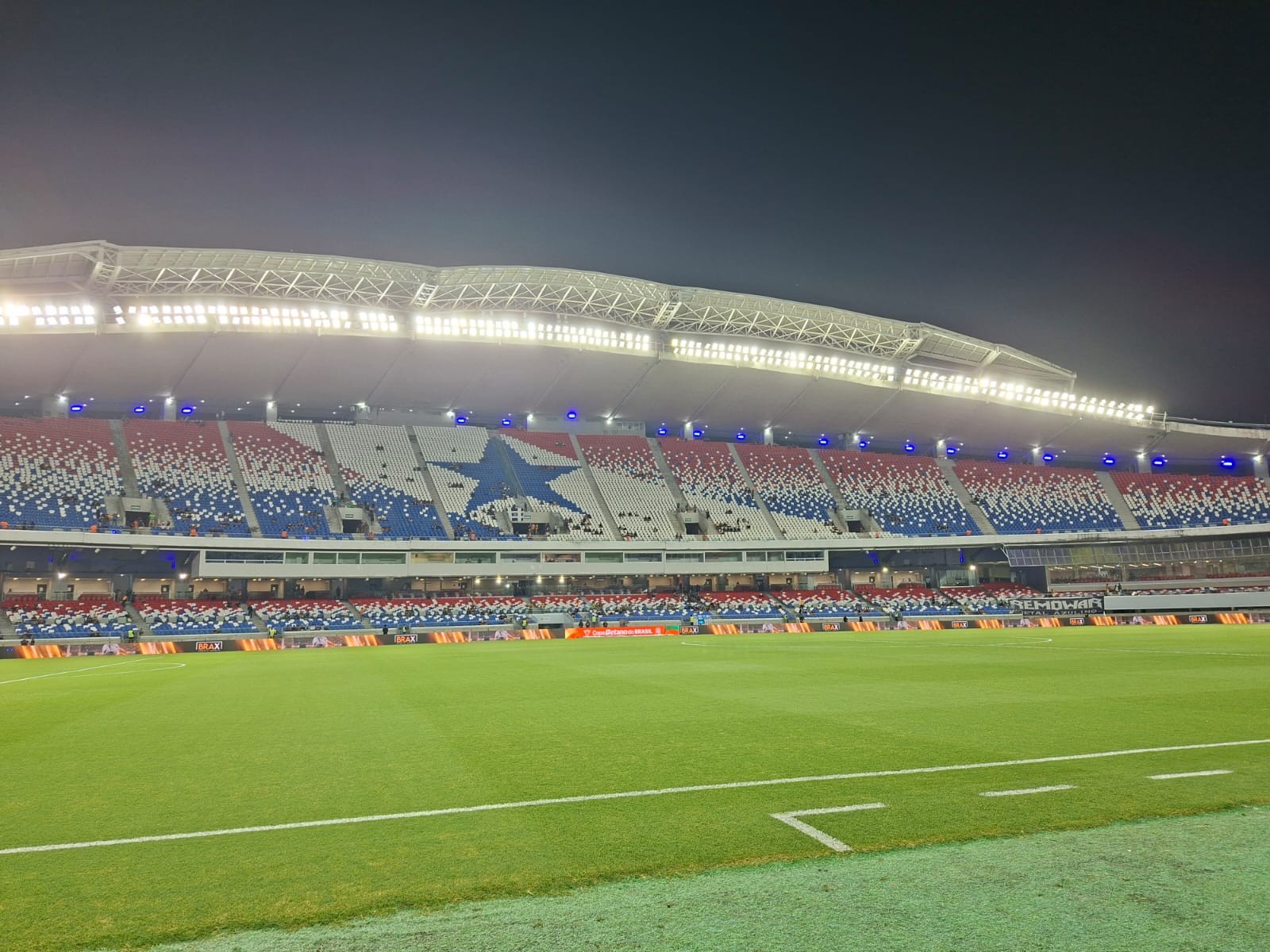
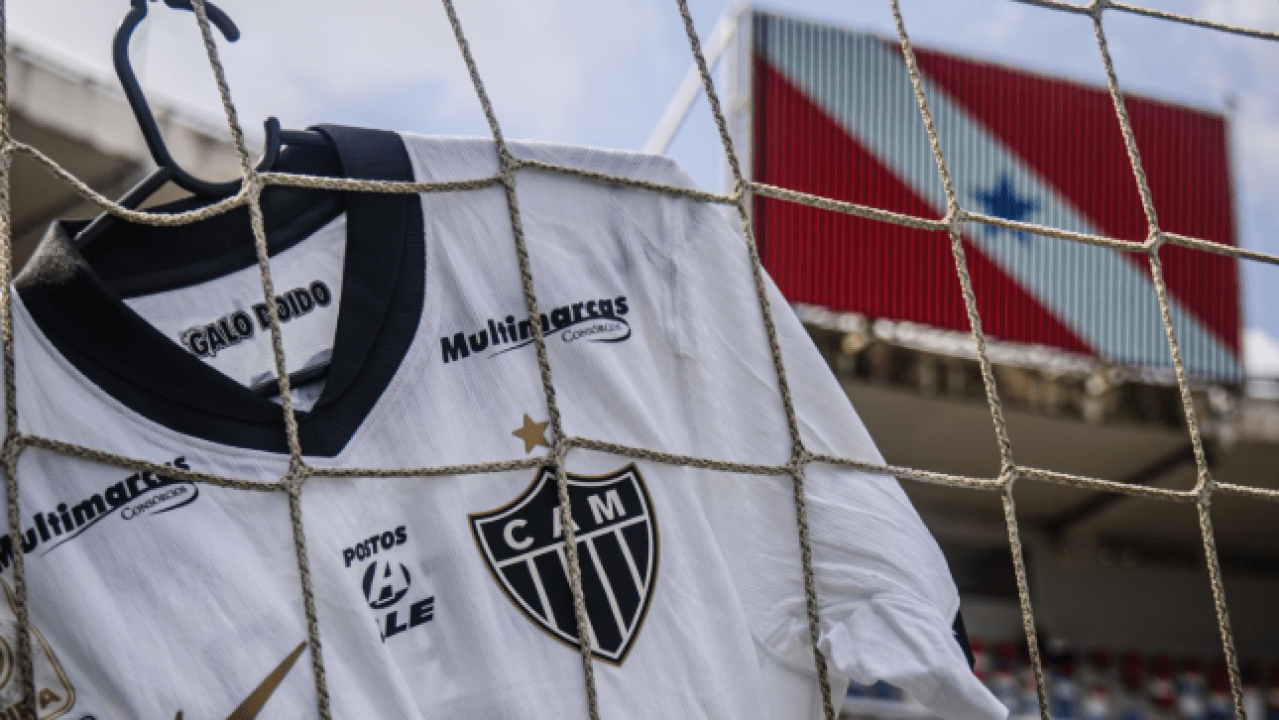
The upcoming Campeonato Brasileiro Série A fixture between Remo and Atlético-MG, scheduled for Saturday at 18:30 BRT in Belém’s Estádio do Mangueirão, represents a critical juncture for both clubs, albeit driven by vastly different strategic objectives. While a standard 22nd-round encounter, its significance for Remo transcends a typical league game, embodying a decisive moment in their existential campaign to retain top-flight status. For Atlético-MG, it’s an exercise in sophisticated resource management amidst a multi-competition push.
Remo’s Existential Battle: Operationalizing Survival
Following their Copa do Brasil elimination, Remo’s institutional focus has pivoted entirely towards domestic league survival. This strategic recalibration underscores the immense financial and reputational primacy of Série A participation, compelling the club to channel all available resources and tactical planning into securing points to escape the relegation zone (Z-4). Securing a win against Atlético-MG is not merely a sporting aspiration but an immediate imperative that could, depending on concurrent results, temporarily lift them out of the Z-4, providing a vital psychological and competitive advantage.
Remo’s recent home form, characterized by consecutive victories against São Paulo and Vitória, provides a crucial operational blueprint. This established pattern of strong performances at the Mangueirão reinforces the strategic importance of leveraging home ground advantage and fervent fan support as a primary mechanism for accumulating points. The club’s long-term strategic calculation for Série A retention is stark: typically, a minimum of 45 points is required to avoid relegation. With 21 points currently accumulated, Remo faces the daunting task of securing an additional 24 points from the remaining fixtures, necessitating an aggressive, highly focused approach to every match, especially those played at home.
Of their nine remaining home games, including the clash with Atlético-MG, Remo’s internal projections suggest a need to win at least seven to reach 42 points. This ambitious target still leaves the club dependent on securing an additional three points from away fixtures, illustrating the minimal margin for error in their strategic planning and transforming each home game into a ‘cup final’. Such a demanding points target places immense pressure on player commitment and tactical execution, making this match a critical litmus test for the operational viability of their survival strategy.
Adding to Remo’s operational challenges is the physiological fatigue incurred from a recent midweek fixture against Santos, where the team played over 60 minutes with a numerical disadvantage. This exertion directly impacts player recovery cycles and tactical flexibility, potentially compromising their ability to sustain high-intensity performance throughout the full 90 minutes against a well-rested opponent. Effective player welfare management under such taxing conditions becomes a paramount administrative and sports science concern, directly influencing tactical decisions.
Atlético-MG’s Strategic Balancing Act: Momentum and Resource Management
In stark contrast to Remo’s existential struggle, Atlético-MG approaches this fixture with considerable competitive momentum, having recently advanced to the Copa do Brasil quarterfinals with a dramatic, last-second goal. This success not only bolsters team morale but carries significant financial implications through prize money and enhanced brand visibility, reinforcing the club’s multi-competition strategic objectives.
Currently positioned 10th in the Brasileiro with 28 points, Atlético-MG is focused on extending an impressive six-match unbeaten streak in the league. This consistent performance indicates a robust operational framework and tactical stability, affording the club the flexibility to pursue both domestic league progression and deep runs in cup competitions.
Manager Eduardo Domínguez’s strategic approach for the Remo match involves a significant squad rotation, signaling a deliberate management of player resources across multiple competitive fronts. This decision reflects a sophisticated understanding of player load, injury prevention, and the long-term demands of a congested fixture calendar, prioritizing overall squad health and competitive readiness. The mandatory suspension of left-back Renan Lodi, following his third yellow card against Palmeiras, necessitates one change, with Kauã Pascini stepping in. This immediate succession plan highlights the importance of squad depth and the readiness of reserve players to integrate seamlessly into the first team, a critical aspect of high-performance club management.
Beyond the enforced change, Domínguez has opted for five additional alterations across the defensive, midfield, and attacking lines (Vitor Hugo replaces Lyanco, Preciado for Natanael, Maycon for Victor Hugo, Reinier for Cassiera). Such comprehensive rotation carries inherent strategic implications, potentially impacting immediate team cohesion and on-field chemistry. However, it also provides invaluable opportunities for fringe players to demonstrate their value, fostering internal competition and validating the club’s investment in squad depth. This approach is a hallmark of clubs managing deep runs in multiple competitions, where resource allocation and tactical experimentation become critical determinants of sustained success.
Broader Institutional and Market Implications
The contrasting situations of Remo and Atlético-MG illuminate fundamental structural dynamics within Brazilian football. Remo’s desperate fight against relegation underscores the severe financial and reputational penalties associated with dropping out of Série A, including significantly reduced media rights revenue, diminished sponsorship appeal, and challenges in player retention. The economic value of maintaining top-flight status is immense, driving clubs to adopt high-risk, high-reward strategies to avoid a catastrophic decline.
Conversely, Atlético-MG’s ability to rotate its squad while maintaining competitive momentum reflects the distinct advantages enjoyed by clubs with deeper financial resources and more extensive talent pools. This disparity in operational capacity often dictates strategic flexibility, allowing wealthier clubs to pursue multiple objectives simultaneously without compromising core league performance or player welfare.
The role of media rights, exemplified by Premiere’s live broadcast and ge’s real-time coverage, is central to the financial ecosystem of Brazilian football. These platforms not only provide critical revenue streams but also amplify the stakes of each match, transforming individual games into significant media events that influence public perception and sponsor engagement. The narrative around clubs, whether fighting for survival or competing for titles, is heavily shaped by this omnipresent media exposure.
Fan engagement, particularly the home advantage at venues like the Mangueirão, represents a tangible asset for clubs. The ability to galvanize local support translates into increased gate receipts, enhanced player motivation, and a more intimidating atmosphere for visiting teams. For clubs like Remo, maximizing this asset is not merely about atmosphere but about operationalizing a competitive edge crucial for securing vital points for survival.
The strategic decisions made by coaches, such as Domínguez’s extensive rotation, have cascading effects on the competitive landscape. While primarily aimed at optimizing Atlético-MG’s performance across competitions, such moves can also be perceived as influencing the competitive balance of individual league fixtures, impacting the strategic planning of opposing teams and contributing to the broader narrative of league integrity and fairness.
Conclusion: A Clash of Futures
Ultimately, this match encapsulates the multifaceted strategic challenges and opportunities within Brazilian football. For Remo, it is a direct test of their operational resilience and strategic clarity in the face of an existential threat – a do-or-die scenario where every point is critical. For Atlético-MG, it is an exercise in sophisticated resource management, balancing immediate competitive objectives with long-term squad sustainability, all within the high-stakes environment of Série A football. The outcome will not only influence the league standings but will provide further insight into the strategic blueprints defining success and survival in Brazil’s top division.