
Strategic Context of the 2026 World Cup Knockout Phase
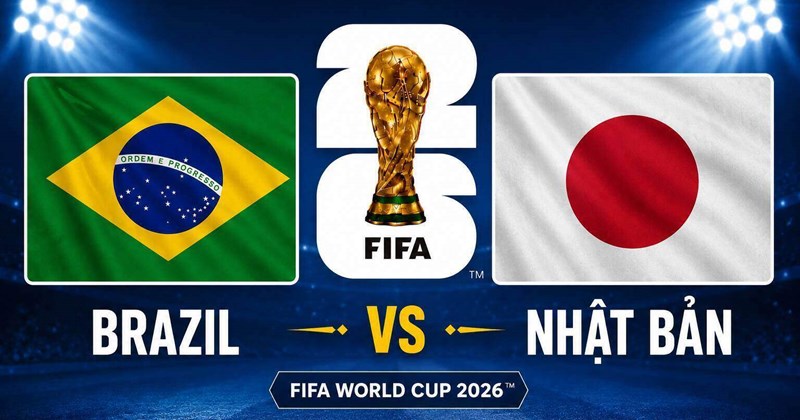
The Brazil vs. Japan Round of 32 clash at the 2026 World Cup in Houston serves as a high-stakes pivot point. The victor secures a path to the Round of 16 against either Norway or the Ivory Coast, fundamentally shifting the tournament’s competitive trajectory.
Brazil, under Carlo Ancelotti, has prioritized defensive-offensive equilibrium following their Group C success. With seven consecutive goals after an opening draw with Morocco, the squad has demonstrated refined operational efficiency. Victories over Haiti and Scotland reflect a structural robustness reminiscent of 2002, essential for mitigating the volatility inherent in knockout football.
The Neymar Factor and Tactical Evolution
Neymar’s return to international play, following a 981-day hiatus, provides Brazil with a critical tactical focal point. His ability to manipulate low-block defenses offers Ancelotti an individual lever to break down disciplined opponents. This experience is vital, given Brazil’s historically turbulent record in knockout fixtures, having faced elimination in four of their recent high-stakes tournament appearances.
Japan’s Disruptive Strategy
Japan enters as a tactical challenger, relying on high-intensity pressure to force errors in the Houston venue. Their objective is to neutralize Brazil’s tempo and exploit potential fatigue. For Japan, success depends on their ability to sustain this intensity against a Brazilian side that is currently managing the transition from group-stage stability to the binary pressure of a win-or-go-home environment.
Systemic Challenges of the 2026 Format
The expanded 2026 format demands a broader physical and mental endurance window. Brazil must navigate the Round of 32 while balancing player fatigue and tactical consistency across a longer calendar. The match against Japan acts as a litmus test for the sustainability of Ancelotti’s long-term tournament strategy. Economic and reputational stakes remain paramount, as early elimination would significantly impact global stakeholder engagement and the narrative of this footballing cycle.

Photo by heibe on Pixabay.