CONTEXTUAL ANALYSIS: Benfica’s Strategic Approach to Tondela Match
As the Portuguese football season intensifies, all eyes turn to the upcoming encounter between powerhouses Benfica and CD Tondela. Benfica’s squad has already made its way to Tondela, arriving in the city late Saturday evening by bus and settling into their designated hotel. This strategic early arrival underscores the importance clubs place on pre-match preparation, ensuring optimal rest and focus for their players.
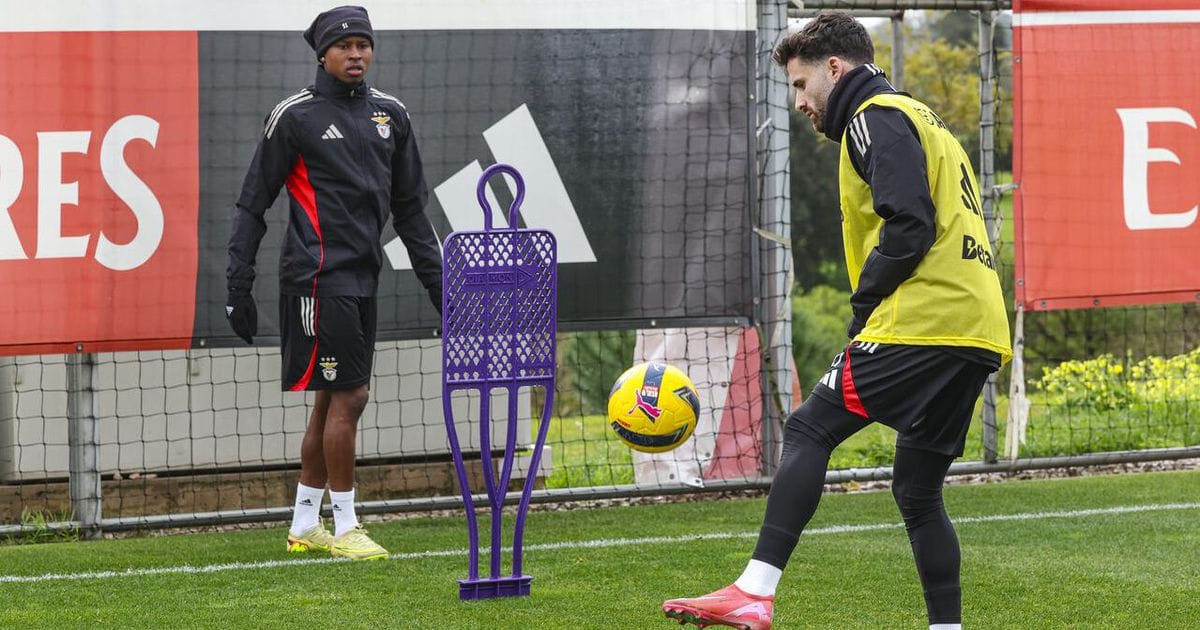
The build-up to this match is particularly interesting, with various reports indicating a proactive approach from Benfica’s technical staff. Among the key updates, forwards Sidny and Rafa are noted to be in a training phase, hinting at their potential involvement or readiness for future challenges. Such details are crucial for analysts and fans alike, providing insights into the team’s overall fitness and depth.
Strategic Rotations on the Horizon for Benfica
A significant aspect of Benfica’s preparation revolves around anticipated squad changes. Reports suggest that the coach, Mourinho, is expected to make adjustments to the starting XI. This strategic rotation is largely influenced by the demanding schedule, particularly the rigors of the Champions League. Elite clubs like Benfica often face the delicate balance of maintaining peak performance in European competitions while also ensuring strong showings in domestic leagues and cups.
The necessity for rotation arises from several factors: mitigating player fatigue, preventing injuries, and providing opportunities for squad members who might not be regular starters. The Champions League, with its high-intensity matches and extensive travel, places immense physical and mental strain on players. By strategically rotating the squad, the coaching staff aims to keep the entire roster fresh and competitive throughout a long and arduous season, leveraging the depth of talent available to them.
Tondela’s Defiant Stance Against a Giant
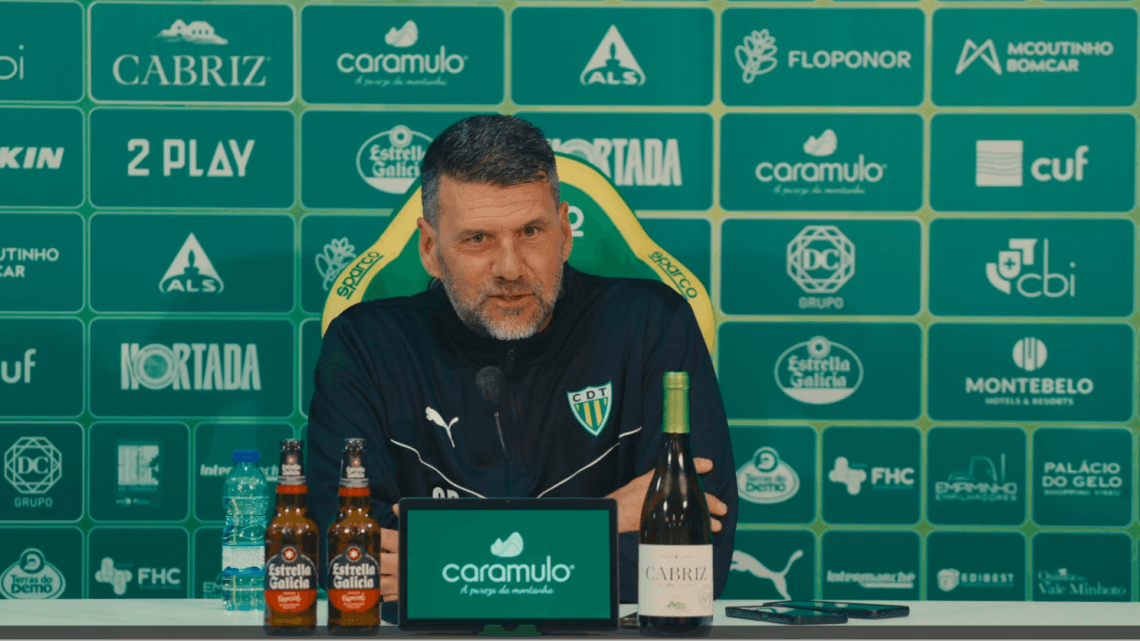
On the other side of the pitch, CD Tondela’s coach, Cristiano Bacci, has made his team’s intentions clear. Bacci asserted, «Não é por ser o Benfica que nos vamos fechar atrás» (It’s not because it’s Benfica that we are going to close ourselves off). This statement reflects a bold and proactive mindset from the underdog, signaling a willingness to engage Benfica rather than adopting an overly defensive posture.
Such an approach can be a double-edged sword. While it demonstrates confidence and ambition, it also carries inherent risks when facing a team of Benfica’s caliber. However, it also speaks to the spirit of competition in Portuguese football, where smaller clubs often relish the opportunity to test themselves against the league’s giants and potentially cause an upset.
WHY THIS MATTERS: Navigating the Complexities of Elite Football
This match, while seemingly a straightforward fixture for Benfica on paper, carries significant weight and implications for both clubs, echoing broader trends in contemporary football. For Benfica, it represents another crucial step in their multi-front campaign, demanding judicious management of resources and unwavering focus.
The decision to rotate the squad highlights the ever-present dilemma for top European clubs: balancing domestic aspirations with continental ambitions. Success in both spheres requires not only a talented starting eleven but also a robust and versatile squad capable of stepping up when called upon. The ability to effectively manage player minutes, especially after demanding European fixtures, is often the hallmark of a successful season.
Squad Depth as a Competitive Edge
Modern football increasingly emphasizes the importance of squad depth. Clubs operating at the highest levels, competing across multiple competitions, simply cannot rely on a core group of 11-13 players. The physical demands, coupled with the tactical variations required against different opponents, necessitate a large pool of talented players. This depth allows coaches like Mourinho to make strategic changes without significantly compromising the team’s quality or tactical coherence.
Furthermore, squad rotation serves as a vital tool for player development and morale. Granting playing time to fringe players or promising youngsters not only keeps them engaged and motivated but also provides them with invaluable experience. For players like Sidny and Rafa, even being in a training phase signifies their continued integration and potential for future contributions, reinforcing the idea that every player in a top club’s roster is crucial.
The Underdog Narrative: Tondela’s Moment in the Spotlight
For CD Tondela, facing Benfica is more than just another game; it is an event that captures the imagination of their fans and offers a unique platform. These ‘David vs. Goliath’ encounters are a staple of cup competitions and early-season league fixtures. They provide smaller clubs with an opportunity to showcase their talent, test their resilience, and potentially achieve a memorable upset that can define their season.
Coach Bacci’s commitment to an offensive game, rather than simply defending deep, indicates a belief in his team’s capabilities and a desire to make a statement. Such a bold strategy can galvanize a team, create exciting football for spectators, and perhaps even catch a more fancied opponent off guard. For Tondela’s players, it’s a chance to perform on a bigger stage, potentially attracting attention from larger clubs and advancing their careers.
BROADER TRENDS: Dynamics of European Football
The Tondela-Benfica match fits into several broader trends shaping European football today. One of the most prominent is the widening financial disparity between the continent’s elite clubs and those further down the football pyramid. Clubs like Benfica, with their extensive fan bases, global reach, and consistent participation in European competitions, command significantly larger revenues than clubs like Tondela.
This financial advantage directly translates into superior resources for player acquisition, training facilities, and coaching staff, further entrenching the dominance of a few clubs within domestic leagues. Consequently, the challenge for clubs with fewer resources is not just about tactical prowess but also about astute management, player development, and occasional moments of brilliance to bridge the competitive gap.
Player Welfare and Performance Optimization
The relentless schedule of modern football, exacerbated by international breaks and continental competitions, has brought player welfare to the forefront. Top-tier players are expected to perform at peak levels for nearly 10 months a year, leading to increased rates of fatigue and injury. This trend necessitates sophisticated sports science, advanced recovery protocols, and, crucially, intelligent squad rotation from coaching teams.
The idea of a coach like Mourinho needing to “mexer” (rotate) the squad is a direct acknowledgment of these demands. It’s not just about giving players a rest; it’s about optimizing their long-term performance and ensuring they can contribute effectively throughout crucial phases of the season. This holistic approach to athlete management is a defining feature of successful modern football clubs, aiming to maximize both individual and team output.
Tactical Flexibility: The Modern Manager’s Imperative
Bacci’s statement about not “closing off” against Benfica also speaks to the growing emphasis on tactical flexibility. Managers are increasingly expected to adapt their formations and game plans not only based on their opponent but also on the specific competition, the form of their players, and the stage of the season. A rigid tactical philosophy, once a hallmark of certain coaches, is now often seen as a limitation in the dynamic world of elite football.
This applies to both sides of the fixture. Benfica, despite their superior talent, must be prepared for Tondela’s aggressive approach, potentially needing to adjust their defensive lines or transition play. Tondela, in turn, needs to execute Bacci’s attacking vision flawlessly to stand a chance against a technically superior side, demonstrating an evolving understanding of how to challenge established hierarchies.
The Global Appeal of Portuguese Football
Portuguese football, though often overshadowed by its larger European counterparts, holds significant global appeal, particularly as a hotbed for talent development and a competitive league in its own right. Clubs like Benfica, Porto, and Sporting CP are regular participants in the Champions League, showcasing high-quality football and acting as vital stepping stones for players from across the globe, including many from South America and Africa.
Matches involving these giants, even against smaller domestic opponents, are watched by scouts, agents, and fans worldwide. They contribute to the league’s narrative, demonstrating the passion and competitive spirit that defines the sport in Portugal. The Tondela-Benfica clash, therefore, is not just a local event but a small piece of the larger global football tapestry, reflecting universal themes of ambition, challenge, and strategy.
LOOKING AHEAD: Implications for the Season
As the whistle blows for the start of the Tondela-Benfica match, the immediate stakes are clear. For Benfica, progression in this competition, be it a league match or a cup tie, is paramount. Any dropped points or an early exit would be a significant blow to their season’s objectives and momentum. A convincing victory, however, reinforces their domestic dominance and provides a morale boost ahead of further European and league commitments.
For Tondela, the outcome will undoubtedly shape the rest of their season. A shock victory would be celebrated immensely, providing invaluable confidence and potentially igniting a memorable cup run or a strong league finish. Even a respectable defeat, particularly if they execute Bacci’s open strategy effectively, could earn them plaudits and crucial experience that aids their development.
Long-Term Trajectories for Both Clubs
Beyond the immediate result, this match contributes to the long-term trajectories of both clubs. For Benfica, every fixture is a test of their squad’s depth, the coach’s tactical acumen, and the club’s overall ambition to compete at the highest echelons of European football. Their performance in such matches dictates their standing, their financial health, and their ability to attract top talent.
Tondela, meanwhile, continues its journey in a highly competitive football landscape. Matches against giants like Benfica offer crucial learning opportunities and expose their players to a higher standard of play. Regardless of the outcome, these encounters are vital for the growth and sustainability of smaller clubs, helping them to refine their strategies, develop their players, and build their brand within the football community. The beautiful game’s unpredictable nature ensures that while disparities exist, every match offers a chance for new narratives to unfold.