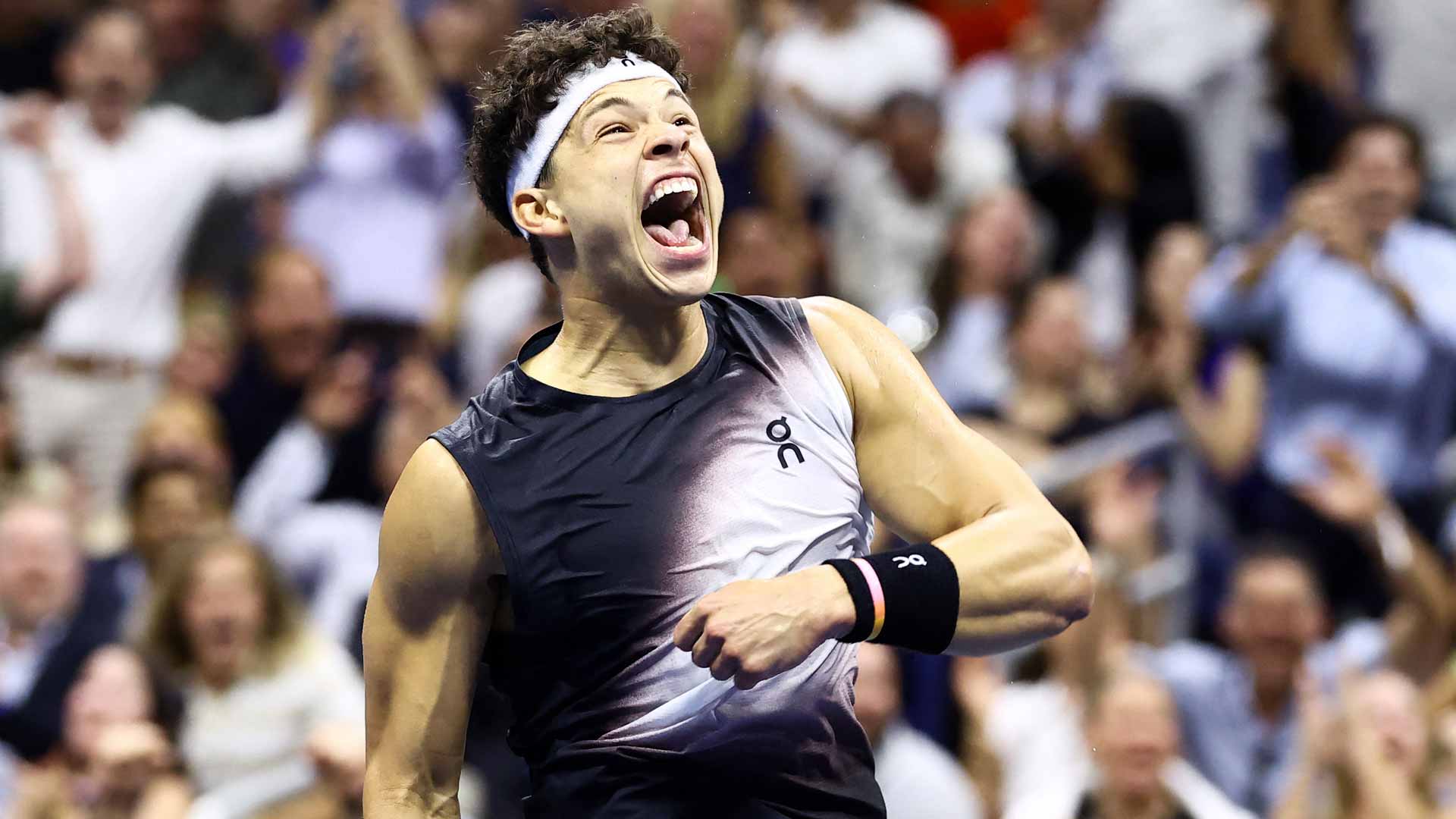
Ben Shelton’s trajectory in professional tennis, marked by his current standing as America’s top-ranked male player and a consistent ATP Tour presence, signifies a deliberate strategic evolution beyond innate talent. His experiences, including critical matches like the Wimbledon five-set tiebreak loss, underscore the paramount importance of mental resilience and tactical adaptation in transitioning from a promising contender to a Grand Slam champion.
Synergistic Coaching and Performance Analysis
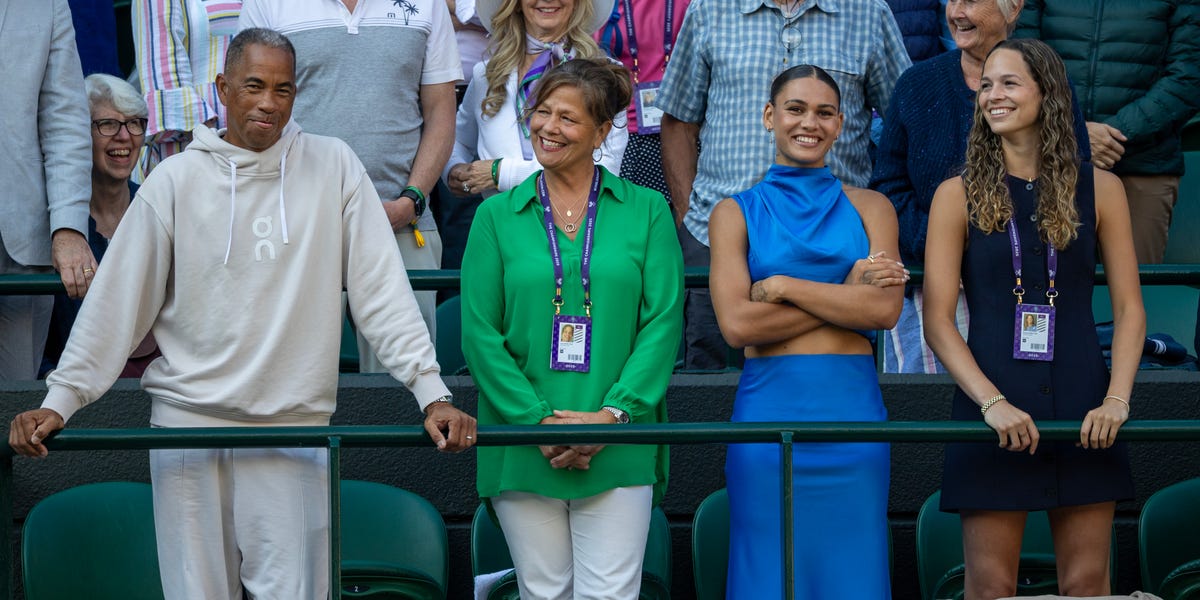
Shelton’s ascent is profoundly shaped by his familial support system, with his father, Bryan Shelton, acting as his primary coach. This close-knit dynamic offers a distinct advantage, enabling streamlined communication and unified strategic planning. The consistent presence of his family, described as being “in his corner” and “super supportive,” provides a crucial stabilizing force amidst the intense pressures of elite competition.
Shelton’s self-reflection on matches, such as his expressed frustration with a specific Wimbledon tiebreak, reveals an analytical approach to performance. This introspection, combined with his father’s coaching expertise, points to a concerted effort to identify and rectify performance discrepancies. The capacity to transform moments of difficulty into actionable insights is a key indicator of the strategic depth guiding his career development.
Integrated Support Ecosystem
The Shelton family’s deep roots in tennis create an intergenerational foundation for Ben’s career. His mother’s background and his sister’s collegiate tennis history indicate a pervasive understanding of the sport’s demands within the family unit, fostering an environment adept at managing training, competition, and the psychological facets of tennis.
The inclusion of his girlfriend, Trinity Rodman, an elite athlete herself, further contextualizes his robust support network. Rodman’s experience as an Olympic champion and top professional soccer player offers unique insights into managing high-level athletic pressure, maintaining focus, and celebrating success. Her ability to “understand all the same things” and know “when to support, what to say in tough moments” provides significant emotional and psychological reinforcement vital for elite sports.
Early Indicators of Competitive Drive
Anecdotal evidence from his youth, such as a nine-year-old Shelton displaying exceptional energy and a strong will to win at a Georgia Tech summer camp, highlights an inherent competitive spirit. His proactive engagement and leadership qualities, even when playing with older peers, suggest that his current on-court intensity and crowd interaction are deeply ingrained traits, honed from an early age.
The historical connection between Bryan Shelton and coach Kenny Thorne, who shared playing experiences including ATP Tour doubles, establishes a lineage of high-level tennis engagement. This shared history and their subsequent coaching careers illustrate a sustained commitment to the sport and a potential for mentorship that benefits Shelton’s development.
Navigating Grand Slam Pressures and Margins
Shelton’s performance at Grand Slams, evidenced by his seeding and consistent deep runs, demonstrates an ability to perform at the highest level. However, the close Wimbledon loss illustrates the razor-thin margins defining success in major championships. The specific scenario of a 10-point tiebreak and his feeling of having “should have already won” underscores the critical psychological and tactical adjustments required at pivotal moments.
His self-assessment that he “didn’t feel that there were many other first-round matches at Slams in the last two years where I’ve played much better” signifies a high personal benchmark, even in statistically strong performances. This internal standard is crucial for elite athlete development, driving continuous improvement and preventing complacency. Objective analysis of matches, even in defeat, serves as a strategic asset in his pursuit of championship titles.
Market Position and Momentum Leverage
As America’s leading male player, Shelton commands significant attention within the U.S. tennis landscape, translating into substantial media interest and fan engagement. This elevated profile enhances commercial opportunities and intensifies the pressure for consistent high-level performance. His positioning as a contender for major titles, exemplified by his projected appearance in the 2026 U.S. Open final, amplifies these dynamics.
The highly competitive men’s tennis circuit necessitates constant adaptation. Shelton’s breakthrough and establishment among the elite suggest a strategic career progression, likely involving judicious tournament selection, targeted training, and comprehensive game development. His familial coaching structure, complemented by his broader support network, offers a stable framework for managing external pressures and capitalizing on his growing market influence.
Strategic Imperatives for Future Success
The path to Grand Slam championship requires not only physical and technical mastery but also a sophisticated grasp of competitive psychology and decisive strategic execution under pressure. Shelton’s ambition to “be with the best” necessitates continuous refinement of his game and mental fortitude. His match experiences, particularly the lessons from tight contests, are integral to this ongoing development.
The operational leverage from his familial coaching, augmented by psychological support from his personal relationships, creates a distinct advantage. This integrated approach fosters a holistic development strategy, addressing on-court execution and the mental resilience essential for sustained success at the pinnacle of the sport. The ongoing narrative of Ben Shelton’s career exemplifies the convergence of familial support, strategic coaching, and personal drive in shaping an elite athlete’s journey toward championship aspirations.
Institutional Framework and Competitive Dynamics
Shelton’s rise occurs within the structured competitive environment of professional tennis, governed by bodies like the ATP Tour and ITF. These organizations establish the framework for rankings, tournament schedules, and operational rules within which athletes strategize. His current ranking and Grand Slam seeding influence his competitive path, potential prize money, and overall career trajectory.
The competitive ecosystem involves not only opponents but also diverse support personnel. While his father-coach dynamic offers unique benefits, it also prompts consideration of specialized expertise compared to athletes with larger, multi-disciplinary teams. This can be a factor in long-term strategic development and adaptation to evolving game styles.
Financial and Commercial Significance
As a top-ranked American player, Ben Shelton is a significant commercial asset. His performance and marketability attract endorsements crucial for sustaining his career and generating wealth. Higher rankings and major tournament success directly translate to increased financial leverage and partnership opportunities.
Financial incentives in professional tennis heavily favor Grand Slam achievements. Winning major titles yields substantial prize money and exponentially enhances brand value, securing lucrative long-term contracts. Shelton’s pursuit of Grand Slam championships is thus a critical financial objective that shapes his strategic decisions and training priorities.
Media Narrative and Public Engagement
Shelton’s engaging on-court persona and status as a rising American star have made him a media focal point. The narrative surrounding his career, influenced by his performances, family background, and personal relationships, shapes public perception and fan engagement. Media coverage is instrumental in building his profile, attracting sponsors, and managing heightened expectations.
The framing of his story contributes to his public image, fostering fan loyalty and commercial interest. However, it also intensifies scrutiny during setbacks, amplifying pressure for consistent, compelling performances. Strategic management of his public persona, alongside on-court development, is integral to his overall career strategy.
Psychological Dimensions of Elite Competition
Shelton’s in-match reactions reveal the intense psychological battles faced by elite athletes. The ability to process emotions, learn from them, and maintain composure under pressure is a hallmark of champions. His post-match reflection suggests a capacity for self-analysis vital for overcoming challenges and preventing future derailment.
The support from his family and girlfriend, who understand the unique pressures of high-level competition, is critical for managing these psychological demands. This emotional scaffolding enhances his resilience. Continuous development of his mental game, alongside physical and technical skills, is a strategic imperative for achieving his Grand Slam championship goal.
Evolution of Tennis and Strategic Adaptation
The modern game is defined by increasing athleticism, power, and strategic sophistication. Athletes must continually adapt to evolving playing styles and equipment advancements. Shelton’s development must encompass refining strengths and identifying/addressing any tactical disadvantages against top global competitors.
His current position as a top seed and major finalist indicates the success of his strategic approach. However, the competitive cycle demands perpetual innovation. Insights from matches against elite opponents, coupled with his coaching team’s analytical capabilities, are crucial for advancing his game and sustaining his competitive edge.
Long-Term Career Trajectory and Legacy
Ben Shelton’s career is in a formative stage with substantial potential for future growth. The foundation of strong familial support, dedicated coaching, and clear ambition positions him for sustained success. His legacy will ultimately be defined by his consistent contention for and attainment of Grand Slam titles.
Strategic decisions regarding training, tournament schedules, and mental game development will profoundly impact his long-term legacy. His current trajectory suggests a deliberate, well-supported approach aimed at achieving not just individual victories but a lasting impact on the sport. Lessons learned from both triumphs and setbacks are integral to shaping that enduring narrative.