Family Foundation and Early Indicators
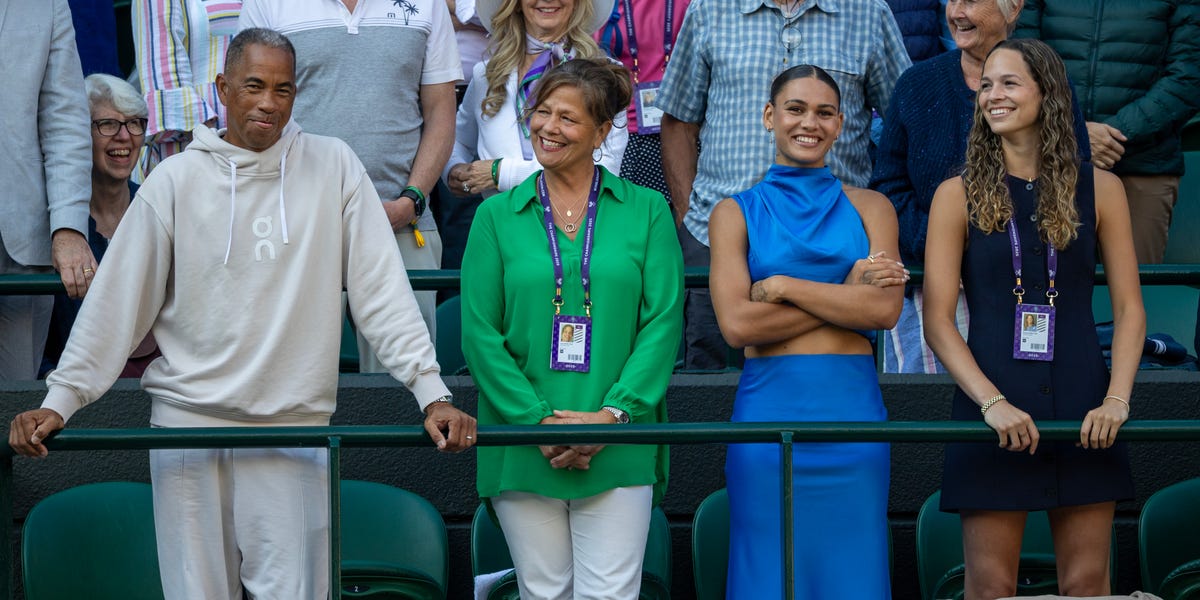
Ben Shelton’s trajectory in professional tennis is significantly shaped by a familial ecosystem deeply entrenched in the sport. His father, Bryan Shelton, serves not only as his coach but also as a foundational figure, drawing from his own collegiate and professional playing experience. This close-knit familial involvement provides a unique blend of personal understanding and strategic guidance, a critical asset in the high-pressure environment of elite tennis.
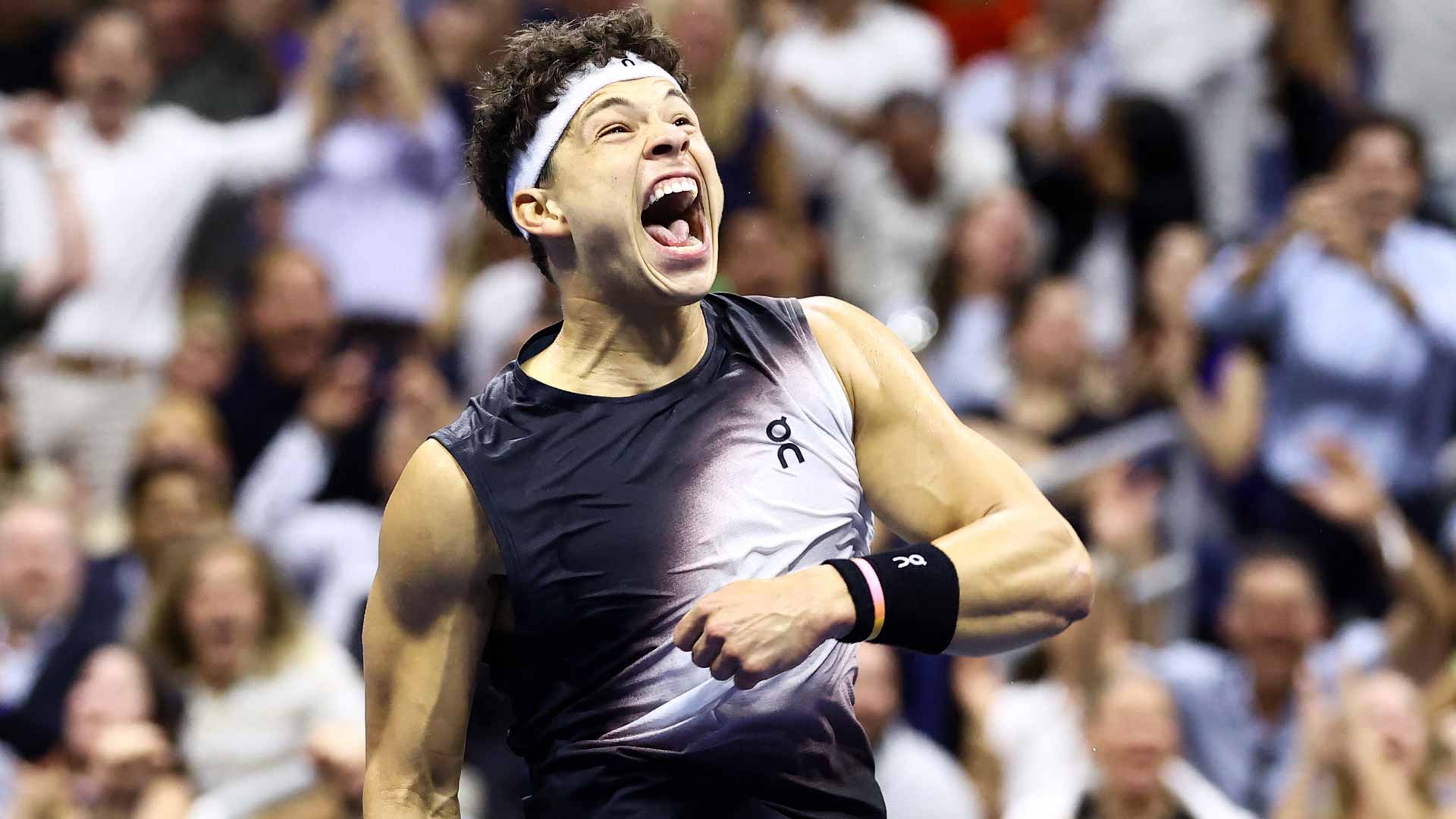
Early indicators of Shelton’s innate competitive drive were evident from a young age. Georgia Tech’s men’s tennis head coach, Kenny Thorne, recalls Shelton, even at nine years old, displaying unusual vocal engagement and team-oriented play while competing with older juniors, demonstrating a DNA for high-energy performance. This early passion for winning and crowd engagement foreshadowed his current on-court persona.
Coaching Lineage and Strategic Alliances
Bryan Shelton’s coaching philosophy is intrinsically linked to his own history, including playing alongside Thorne at Georgia Tech and competing in ATP Tour doubles. This shared background between father and coach creates a continuity of understanding regarding the demands and nuances of professional tennis, fostering a cohesive strategic approach.
The long-standing relationship between Bryan Shelton and Kenny Thorne extends beyond their playing days, evolving into a close familial and professional alliance. Thorne’s direct observation of Ben’s early development, coupled with his extensive coaching career, provides a rich context for understanding the layered mentorship supporting Shelton’s career progression.
Performance Leverage and Competitive Mindset
Shelton’s experience at Wimbledon, specifically a fifth-set tiebreak loss to Otto Virtanen, highlights a critical juncture in his development. His visceral reaction, “What is this bull———t?”, underscores heightened expectations and a perceived disconnect between his performance level and the outcome against a lower-ranked opponent.
This moment of frustration, while indicative of a desire for immediate success, also points to the psychological challenges of Grand Slam tennis. The ability to convert crucial points in high-stakes situations, particularly in extended fifth sets, represents a significant performance lever differentiating contenders from champions. Shelton’s reflection on not playing significantly worse suggests a focus on execution under pressure as a key area for refinement.
Strategic Partnerships and External Support
Beyond his immediate family, Shelton benefits from a supportive network including his girlfriend, Trinity Rodman, a prominent professional soccer player. Her understanding of elite athletic demands, as an Olympic champion and high-earning athlete, provides a unique form of emotional and practical support.
A partner who comprehends the sacrifices and pressures of a professional sports career offers strategically invaluable support. This relationship provides crucial emotional resilience and a shared perspective on managing success and setbacks, vital for sustained high-level performance.
The Pursuit of Grand Slam Pedigree
Shelton’s current standing as America’s top-ranked men’s player and a compelling presence on the ATP Tour signifies a substantial achievement. However, the ultimate benchmark in professional tennis remains Grand Slam titles, a pursuit demanding exceptional talent, strategic evolution, and mental fortitude.
The journey from top seed to Grand Slam champion involves navigating intense scrutiny and pressure. Shelton’s stated belief that he “should be with the best” indicates an ambition extending beyond current rankings, signaling a strategic imperative to translate potential into tangible major championship success.
Operationalizing Potential: The Coach-Player Dynamic
The father-son coaching dynamic offers deep personal insight but also presents unique operational challenges. Bryan Shelton must balance paternal support with the objective, data-driven decision-making required for elite coaching, including tactical adjustments, performance analysis, and player management.
This dual role necessitates a sophisticated communication strategy, ensuring feedback is delivered effectively without compromising the familial bond. Success hinges on Bryan’s ability to maintain professional distance when necessary, leveraging his experience to optimize Ben’s on-court performance and mental preparation for high-stakes encounters.
Capitalizing on Momentum: Market and Media Implications
Ben Shelton’s rise has generated significant media attention and commercial interest, positioning him as a key figure in the future of American tennis. His engaging on-court personality and compelling backstory contribute to his marketability, attracting endorsements and sponsorships.
Strategic management of this burgeoning profile is crucial. Decisions regarding tournament schedules, media appearances, and brand partnerships will significantly influence his long-term career trajectory and earning potential. Effectively leveraging this momentum requires a calculated approach balancing immediate opportunities with sustained development for Grand Slam contention.
Navigating the Competitive Landscape: Strategic Imperatives
The ATP Tour is characterized by intense competition, with established veterans and emerging talents vying for supremacy. Shelton’s current ranking places him within a cohort capable of challenging for major titles, but sustained success requires continuous adaptation and improvement.
Key strategic imperatives for Shelton include refining his game to counter diverse opponent styles, optimizing physical conditioning for the tour’s demands, and developing robust mental resilience for pressure moments. Learning from setbacks, like the Wimbledon loss, and integrating those lessons into training and match play will be critical for advancement.
The Role of Mentorship in Sustained Excellence
The influence of experienced figures like Kenny Thorne, possessing deep knowledge of both collegiate and professional tennis, provides an invaluable layer of mentorship. Such relationships offer strategic counsel focusing on long-term career development and navigating the complexities of the professional circuit.
This broader network of experienced individuals can offer objective perspectives on player development, career management, and elite sport psychology. Their insights can guide Shelton and his father in making informed decisions about training, competition, and personal growth, contributing to a holistic approach to championship-level performance.
Evolutionary Scenarios: From Contender to Champion
Shelton’s current contender status is a testament to his talent and robust support system. The transition to Grand Slam champion will likely involve intense focus on specific game areas and mental preparation.
Future scenarios could involve strategic adjustments to his playing style to counter specific opponents, enhanced physical conditioning for the demands of multiple Grand Slams annually, and the development of advanced tactical approaches. His capacity to adapt and evolve under pressure will ultimately determine his ability to secure major titles and solidify his legacy.
The Financial and Commercial Ecosystem of Elite Tennis
The financial implications of Ben Shelton’s success are substantial, extending beyond prize money to lucrative endorsement deals and sponsorship opportunities. As a prominent American player with a compelling narrative, he is a valuable asset for brands seeking global audience connection.
Strategic decisions regarding commercial partnerships must align with his athletic goals, ensuring endorsements enhance rather than detract from his performance focus. Careful cultivation of his brand image, coupled with consistent on-court success, will maximize his financial leverage and long-term career value within the competitive sports market.
Cultural Impact and National Representation
Ben Shelton’s ascent carries significant cultural weight, particularly in the United States, which has a strong tradition of producing top male tennis players. His performance and personality have the potential to inspire a new generation of athletes and re-energize domestic interest in the sport.
As a leading figure, Shelton’s actions and public persona contribute to the broader narrative of American sports. His ability to connect with fans and represent the nation globally amplifies his impact beyond individual match results, influencing perceptions and fostering national pride.
The Psychological Dimension of Championship Pursuit
The internal monologue at Wimbledon, “What is this bull———t?”, reveals a critical psychological aspect: the internal pressure to meet his own high expectations. This self-imposed standard, while a powerful motivator, can also be a source of significant stress.
Developing robust coping mechanisms for managing pressure, overcoming adversity, and maintaining focus during critical junctures is paramount. His continued growth depends on his ability to channel frustration into productive effort and maintain a resilient mindset, even when faced with challenging circumstances or unexpected outcomes.
Strategic Evolution in a Dynamic Sport
Tennis demands continuous adaptation. As opponents analyze Shelton’s game, he will need to evolve his own strategies and tactics to maintain a competitive edge. This may involve developing new shots, refining existing ones, or adapting his approach to different court surfaces and playing styles.
Strategic decisions made collaboratively with his coaching team, particularly his father, will be crucial in this evolutionary process. Identifying weaknesses, exploiting opponents’ vulnerabilities, and maintaining a proactive approach to game development are essential components for sustained success at the sport’s highest level.
The Long Game: Sustaining Elite Performance
Achieving and sustaining elite performance in professional tennis is a long-term endeavor requiring meticulous planning and execution. Beyond individual matches and tournaments, Shelton’s career will be defined by his ability to manage his physical and mental well-being over many seasons.
This involves careful attention to training regimens, recovery protocols, nutrition, and injury prevention. The strategic allocation of resources, both personal and financial, towards these foundational elements will be critical for his longevity and continued success on the tour, ensuring consistent competition for major titles.