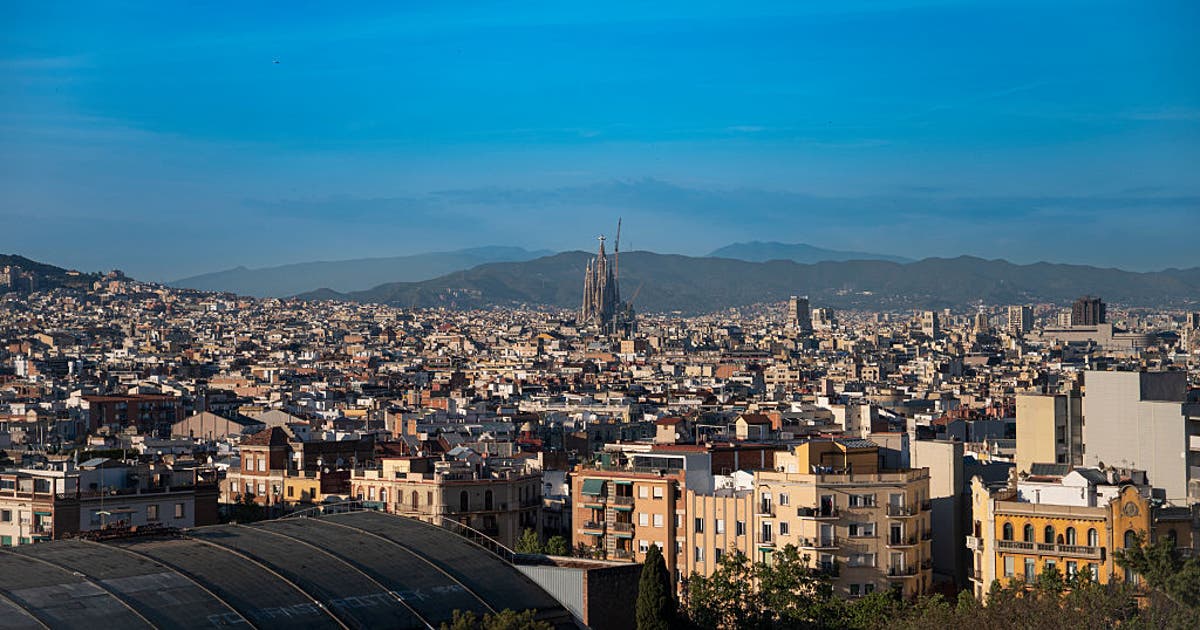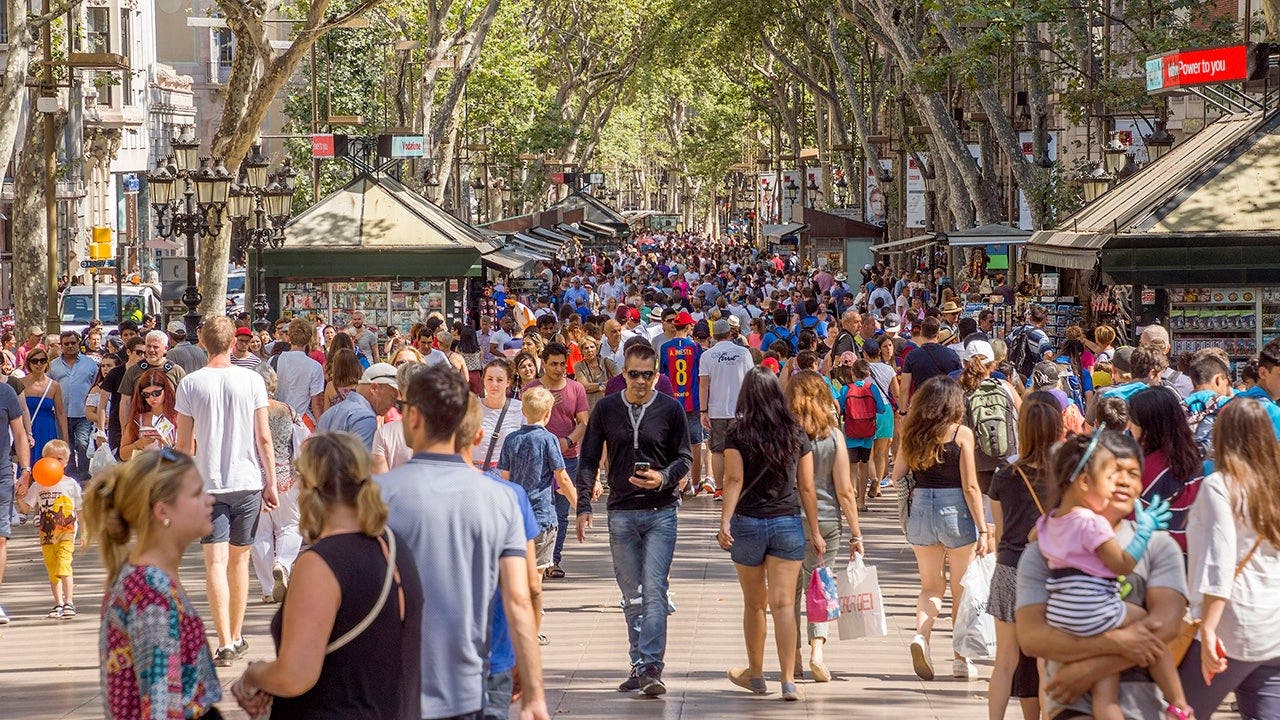
Barcelona Intensifies Overtourism Strategy with Tripled Cruise Passenger Tax
Barcelona is enacting a significant escalation in its campaign against overtourism by tripling the municipal tax for cruise passengers spending less than 12 hours in the city. This fiscal measure, targeting transient visitors, signifies a decisive policy shift aimed at alleviating pressure on local infrastructure and enhancing resident quality of life.
The new tax structure will see short-stay cruise visitors potentially paying up to €30 in total levies, a substantial increase from the previous €8 municipal rate. This strategic decision, formalized after a committee meeting on July 15, positions taxation as a key tool to manage high-volume, short-duration tourism with a disproportionate impact relative to its local economic contribution.
Barcelona’s commissioner for sustainable tourism, José Antonio Donaire, has articulated the city’s firm stance: “Not one tourist more.” This declaration, reported by The New York Times, marks a departure from growth-centric tourism models towards prioritizing resident well-being and urban sustainability.
The city’s commitment to rethinking tourism is further evidenced by its 2017 moratorium on new hotel construction. However, this aggressive cruise passenger tax represents a more immediate and direct intervention to influence visitor behavior and manage immediate tourism impacts.
Catalonia, the region including Barcelona, recorded 20.1 million tourists in the previous year, a modest 0.6% increase. Barcelona’s proactive measures suggest that even marginal growth is perceived as contributing to unsustainable pressures, necessitating a more stringent regulatory approach.
This policy directly impacts the cruise industry, which relies on volume and short port calls. The increased cost for transit passengers could lead to revised cruise itineraries or a reduction in the number of passengers choosing Barcelona for brief excursions, affecting port revenue and associated local businesses.
The decision to implement the maximum €24 municipal tax for short-stay cruise visitors, as reported by Cruise Industry News, signals an intent to render such short visits economically less appealing. This aims to encourage longer stays or higher per-capita spending, thereby potentially increasing overall economic yield while reducing footfall.
Barcelona’s approach aligns with a growing trend among European destinations confronting overtourism. The city’s assertive policy and concrete fiscal actions position it as a leader in implementing decisive measures, potentially influencing other municipalities to adopt similar strategies to protect their urban environments and residents.
The long-term efficacy of these measures will depend on their success in altering visitor patterns and the resulting economic adjustments within Barcelona’s tourism sector. While Donaire acknowledges that changes take time, the focus on cruise passenger taxation indicates a pragmatic, albeit potentially disruptive, approach to immediate overtourism mitigation.
This strategy raises critical questions about balancing tourism’s economic benefits with the preservation of a city’s character and livability. Barcelona’s assertive stance reflects a growing consensus among urban policymakers that maximizing tourist numbers may no longer be a sustainable or desirable objective.
Financial implications for cruise lines operating in the region are significant. They must absorb or pass on the increased tax burden, potentially affecting ticket prices or profit margins. This could prompt strategic reviews of routes and port calls, making Barcelona a less frequent or less lucrative stop for certain cruise types.
Furthermore, Barcelona’s approach may foster innovation in tourism management, encouraging destinations to explore alternative models prioritizing quality over quantity. This could involve focusing on niche tourism, promoting longer stays, or developing integrated community-based initiatives that directly benefit local residents.
The commissioner’s observation that measures require time to impact underscores the challenge of managing established tourism economies. Barcelona’s experience will be closely monitored by other global cities facing similar pressures, serving as a case study for the potential efficacy and consequences of stringent regulatory interventions.
The strategic targeting of cruise passengers addresses a tourism segment often criticized for high volume and low per-capita spending, coupled with significant logistical demands on urban centers. By imposing a higher financial barrier, Barcelona seeks to rebalance the economic equation and mitigate the concentrated impact of these visitors.
This policy intervention also sends a clear message to the broader tourism industry and potential visitors about Barcelona’s evolving priorities. It signals the city’s commitment to implementing measures necessary to safeguard its long-term sustainability and resident well-being.
The success of Barcelona’s strategy will be evaluated not only by visitor numbers but also by improvements in resident quality of life and the preservation of cultural and environmental assets. The city’s “not one tourist more” approach signifies a fundamental redefinition of successful tourism management.
This assertive stance could attract a more discerning tourist demographic, drawing visitors invested in authentic experiences and willing to contribute more significantly through longer stays and deeper engagement.
The economic leverage of this tax increase is designed to directly fund initiatives mitigating tourism’s negative impacts, potentially creating a virtuous cycle where revenue from responsible tourism is reinvested in sustainable practices and community well-being.
Ultimately, Barcelona’s strategy represents a bold experiment in urban tourism governance, moving beyond incremental adjustments to implement structural changes that could redefine the relationship between cities and mass tourism.