Wildlife Rehabilitation Challenges Highlighted by Bald Eagle Rescue
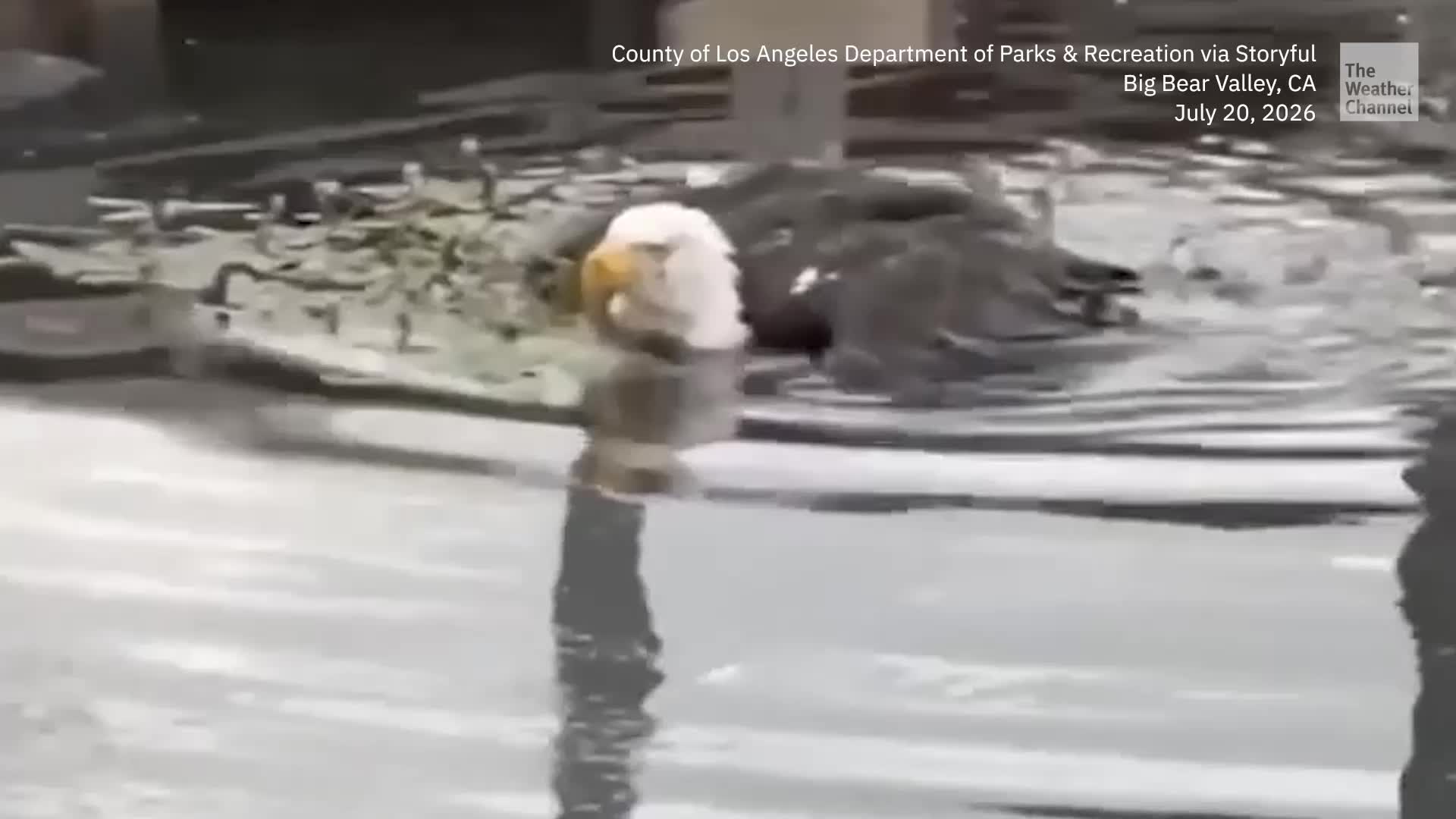
The recent rescue of a grounded bald eagle, Jackie, near Big Bear Lake, California, illuminates the significant operational and financial demands inherent in wildlife rehabilitation. This incident underscores not only the vulnerability of iconic species but also the indispensable role of non-profit organizations, such as Friends of Big Bear Valley (FOBBV), in providing immediate, on-the-ground intervention.
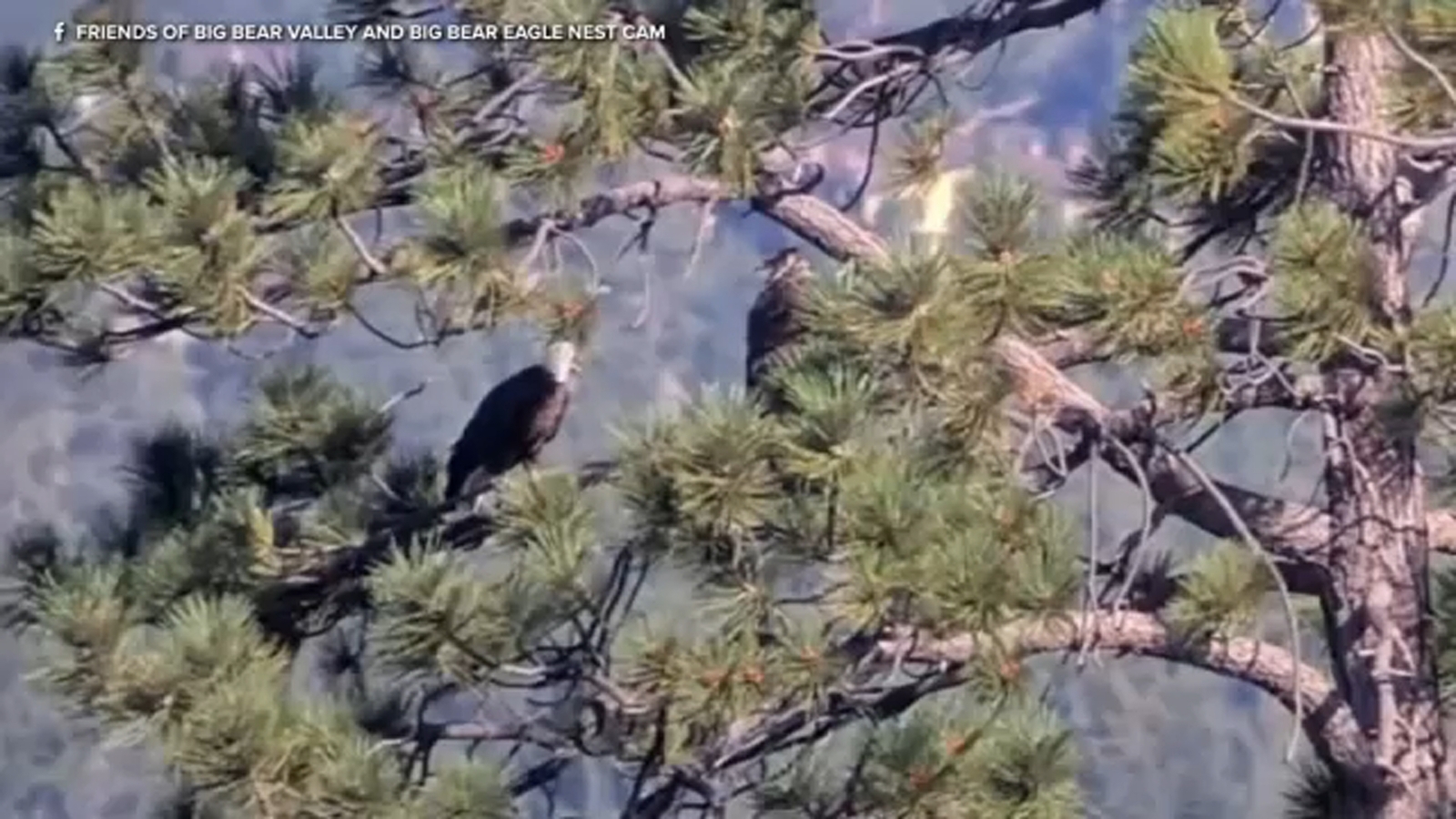
FOBBV’s contribution extends beyond direct rescue; their ongoing monitoring via nest cameras yields invaluable data on avian behavior and ecological health. Their updates on Jackie’s mate, Shadow, and their eaglets, Sandy and Luna, illustrate the intricate social and parental structures within bald eagle populations, demonstrating how the absence of a primary caregiver can strain the entire family unit.
Shadow’s continued dedication to feeding and protecting Sandy and Luna, even from territorial subadult eagles, highlights the inherent competitive pressures within the species. This dynamic is crucial for understanding population resilience and the long-term viability of the Big Bear eagle population, especially as environmental stressors intensify.
The presence of subadult eagles, under five years old, near the nest site suggests potential territorial disputes or resource competition. FOBBV’s observation of a possible skirmish between Jackie and a subadult female prior to the rescue indicates that inter- or intra-species conflict can directly precede injury, impacting the breeding cycle and overall nest success.
The strategic implications for conservation organizations are substantial. Reliance on public engagement and donations, as evidenced by fan concern and support for the eagle couple, necessitates transparent communication and demonstrable impact. FOBBV’s efforts to document and share these events leverage public interest to advance their mission, fostering a cycle of awareness and potential funding.
The future for the Big Bear bald eagle couple, Jackie and Shadow, depends on Jackie’s recovery and the stability of the nest environment. The possibility of Shadow seeking a new mate if Jackie’s recovery is prolonged presents a complex biological and behavioral consideration, potentially impacting genetic diversity and future breeding success within the local population.
Expert insights into Shadow’s potential behavior, as reported by FOBBV, offer a nuanced understanding of avian mating and parental care strategies. This information is vital for predicting population dynamics and informing conservation management plans, particularly in areas with significant human-wildlife interaction.
The mention of a bald eagle named Spirit providing a ‘life-saving’ blood donation to Jackie introduces another dimension of inter-species cooperation and the complex network of wildlife support systems. This act of altruism, though anecdotal, underscores ecosystem interconnectedness and the potential for unexpected collaborations in critical situations.
The operational challenges confronting rescue crews and rehabilitation centers are immense, demanding specialized expertise, resources, and infrastructure. Jackie’s successful rescue and ongoing care exemplify the dedication of these professionals and the effectiveness of established protocols for handling injured wildlife.
From a broader ecological standpoint, the incident serves as a microcosm of larger environmental issues. Factors such as habitat degradation, pollution, and climate change can increase stress and vulnerability in wildlife populations, making them more susceptible to injury and disease.
The public’s intense interest in Jackie and Shadow reflects a growing societal awareness and emotional investment in wildlife conservation. This engagement can act as a powerful catalyst for policy changes and increased funding for wildlife protection agencies, translating public sentiment into tangible action.
Strategic decisions by conservation groups, including nest camera deployment and information dissemination, are crucial for maintaining public support and securing necessary resources. These communication strategies directly influence stakeholder engagement and the long-term sustainability of conservation initiatives.
The economic leverage derived from wildlife tourism and observation, particularly for iconic species like bald eagles, is significant. The visibility of these animals, amplified by media and online platforms, contributes to local economies and incentivizes habitat preservation.
The performance leverage of successful rehabilitation and reintroduction efforts is measured not only by individual animal survival but also by the overall health and resilience of the species and its ecosystem. Each successful intervention validates conservation programs and builds institutional credibility.
The competitive landscape among conservation organizations often involves securing limited funding and public attention. FOBBV’s effective use of media and public outreach positions them favorably, highlighting their contributions and garnering support.
Capital movement within the conservation sector is largely driven by grants, donations, and government funding. The success of initiatives like the Big Bear eagle program can attract significant financial inflows, enabling service expansion and research.
Maintaining healthy predator populations, such as bald eagles, is strategically important for ecosystem balance. Their role as apex predators helps regulate prey populations and indicates overall environmental health.
The long-term consequences of failing to address the factors contributing to wildlife injuries are profound, potentially leading to population declines, biodiversity loss, and cascading ecological disruptions.
The institutional framework supporting wildlife conservation involves a complex interplay of government agencies, non-profits, research institutions, and volunteers, each playing a distinct yet interconnected role in resource protection and management.
Performance metrics for wildlife rehabilitation programs typically include survival rates, successful reintroduction, and the long-term health of released animals. These indicators are crucial for evaluating program effectiveness and justifying continued investment.
Competitive advantages for conservation organizations often stem from specialized knowledge, established networks, and a demonstrated track record. FOBBV’s long-standing presence and expertise in the Big Bear region contribute to their standing.
Capital allocation within conservation is often directed towards critical areas like habitat restoration, anti-poaching efforts, and public education, with rehabilitation services being a vital component of the overall strategy.
Continuous monitoring and research are strategically imperative, providing the data necessary to adapt conservation strategies to evolving environmental conditions and emerging threats.
The exposure of conservation challenges through public events like Jackie’s rescue can galvanize public opinion and create pressure for stronger environmental policies and enforcement.
Leveraging public interest can translate into increased advocacy efforts, influencing legislative agendas and resource allocation for wildlife protection.
The potential consequences of inadequate conservation measures include irreversible ecological damage and the loss of species holding significant cultural and intrinsic value.
Institutional capacity to respond to wildlife emergencies is a critical determinant of conservation success, requiring well-trained personnel and adequate resources.
The performance of conservation initiatives is often judged by their ability to achieve measurable outcomes, such as population recovery and habitat improvement.
Competitive dynamics in conservation can also involve the development and adoption of innovative technologies and methodologies for monitoring, intervention, and rehabilitation.
Capital investment in conservation research is essential for understanding complex ecological systems and developing evidence-based management strategies.
Strategic foresight in conservation involves anticipating future challenges, such as the impacts of climate change, and developing proactive mitigation measures.
The exposure of conservation successes, like the care provided to Jackie, inspires further action and demonstrates the positive impact of dedicated efforts.
The leverage of public-private partnerships is often critical for pooling diverse resources and expertise to address large-scale conservation challenges.
The consequences of inaction on environmental issues are increasingly apparent, underscoring the urgency of robust conservation programs.
Institutional collaboration between government agencies and non-profits is vital for coordinated and effective wildlife management.
The performance of conservation efforts is a continuous process of evaluation and adaptation, ensuring strategies remain relevant and effective.
The competitive spirit within the conservation community often stems from a shared commitment to preserving biodiversity and ecological integrity.
Capital required for comprehensive conservation extends beyond immediate rescue efforts to encompass long-term habitat preservation and policy advocacy.
Strategic alignment of conservation goals with broader environmental protection initiatives can amplify impact and foster systemic change.
Exposure to the intricate lives of wild animals, through platforms like eagle nest cameras, fosters deeper appreciation and understanding of their ecological roles.
The leverage of scientific research in conservation is fundamental to informing decision-making and ensuring the efficacy of interventions.
The consequences of habitat fragmentation and loss are a primary driver of wildlife decline, necessitating focused conservation strategies.
Institutional commitment to species recovery plans is a cornerstone of modern conservation practice, guiding efforts to protect endangered and threatened populations.
Performance of conservation initiatives is often evaluated through ecological indicators, such as population trends and habitat quality.
The competitive landscape in conservation research involves the pursuit of funding and recognition for groundbreaking discoveries and innovative solutions.
Capital investment in conservation education is crucial for building a future generation of environmental stewards and advocates.
The strategic importance of international cooperation in conservation is evident in efforts to protect migratory species and address transboundary environmental issues.
Exposure of the challenges faced by individual animals, like Jackie, humanizes conservation efforts and strengthens public connection to the natural world.
The leverage of policy advocacy is essential for creating legal and regulatory frameworks that support wildlife protection and habitat conservation.
Consequences of neglecting the health of wild populations can have far-reaching implications for human well-being and ecosystem stability.
Institutional capacity for adaptive management, allowing strategy adjustments based on new information, is critical for long-term success.
Performance of conservation initiatives is a continuous cycle of planning, implementation, monitoring, and evaluation, ensuring accountability and effectiveness.
The competitive spirit within the conservation community is often driven by a deep-seated belief in the intrinsic value of all living things and the imperative to safeguard them.
Capital required for comprehensive conservation encompasses direct interventions, underlying research, policy development, and public engagement for lasting impact.
Strategic alignment of conservation goals with sustainable development practices is key to ensuring the long-term viability of both human societies and natural ecosystems.
Exposure of the interconnectedness of wildlife and their environments through such events reinforces the need for holistic conservation approaches.
The leverage of public-private partnerships is instrumental in mobilizing diverse resources and expertise to tackle complex conservation challenges.
Consequences of uncontrolled environmental degradation extend beyond the natural world, impacting human health, economies, and societal stability.
The institutional framework for wildlife management must be robust and adaptable to address dynamic threats facing species and their habitats.
Performance of conservation initiatives is ultimately measured by their contribution to the long-term survival and flourishing of biodiversity and the ecosystems supporting it.
Competitive drive within the conservation community is fueled by the urgent need to protect vulnerable species and their ecosystems from escalating threats.
Capital investment in conservation science and technology is crucial for developing effective tools and strategies for monitoring, protection, and restoration.
Strategic alignment of conservation goals with broader climate change mitigation and adaptation efforts is essential for addressing interconnected environmental crises and ensuring the survival of vulnerable species.
Exposure of the delicate balance of nature through incidents like Jackie’s rescue highlights the interconnectedness of all living things and the critical role of each species.
Leverage of community engagement is vital for building local support and ensuring the sustainability of conservation initiatives on the ground, empowering those most connected to the land.
Consequences of inaction on environmental issues are increasingly dire, manifesting in climate change, biodiversity loss, and degradation of essential ecosystem services.
The institutional framework for wildlife conservation must be dynamic and responsive, capable of addressing emerging threats and adapting to evolving ecological conditions.
Performance of conservation programs is ultimately measured by their contribution to the long-term health and resilience of biodiversity and the ecosystems that support it.
Competitive drive within the conservation community is fueled by a shared commitment to protecting the planet’s natural heritage for future generations.
Capital investment in conservation science and technology is crucial for developing effective tools and strategies for monitoring, protection, and restoration efforts.
Strategic alignment of conservation goals with broader climate change mitigation and adaptation strategies is essential for addressing interconnected environmental crises and ensuring the survival of vulnerable species.