

The scheduled May 2026 resumption of direct services between Kuala Lumpur and Wuhan marks a decisive shift in Southeast Asian carrier strategy toward high-efficiency regional connectivity. AirAsia’s deployment of Airbus A320neo aircraft—replacing the pre-2020 wide-body configurations of AirAsia X—underscores an industry-wide transition toward unit-cost optimization and fuel-efficient narrow-body operations on mid-range corridors.
The Yangtze Node: Integrating Central China
Wuhan’s status as a primary logistical hub along the Yangtze River makes it a critical gateway for the ASEAN region to access China’s interior consumer markets. By transitioning to higher-frequency, narrow-body service, carriers can maintain competitive load factors while providing the scheduling flexibility required for high-value corporate travel. This move aligns with the ‘Visit Malaysia 2026’ initiative, positioning the carrier to capture rebounding outbound demand from Hubei Province.
Simultaneously, Malaysia Airlines is pursuing a network rebuild through targeted campaigns, indicating a state-level objective to dominate Sino-Malaysian transit. This institutional coordination between government tourism goals and airline capacity planning is designed to create a sustainable ecosystem of travel that transcends mere passenger volume to support long-term bilateral trade.
Visa Liberalization as an Economic Multiplier
Regulatory reform is emerging as a primary catalyst for market capture. Brazil’s ‘Open Doors 2026’ strategy (Inter-Ministerial Ordinance 18/2026) serves as a benchmark, removing short-stay visa requirements for eight nations, including China. This policy directly targets the reduction of administrative friction, facilitating spontaneous travel and shortening lead times for international investment missions.
Complementary to this, industry leaders are advocating for 240-hour transit rules to simplify multi-city itineraries. Such reforms are essential for maximizing aircraft utilization and elevating the status of secondary hubs within the global aviation network. The inclusion of China in Brazil’s visa-free list reflects a broader South American trend of deepening economic integration with the world’s second-largest economy through enhanced mobility.
Geopolitical Risk and Operational Resilience
While expansion defines the East, volatility characterizes the Middle East. Ongoing airspace closures in the Gulf have forced major carriers, including Qantas and Austrian Airlines, to implement costly rerouting. The diversion of flagship services, such as the Perth-London route via Singapore, highlights the logistical strain of bypassing traditional corridors, resulting in increased fuel burn and complex crew rotation adjustments.
In response to these force majeure events, the UAE’s decision to waive visa-overstay fines for stranded travelers represents a sophisticated regulatory approach to crisis management. This flexibility preserves the reputation of regional hubs as stable transit points despite external instability. Furthermore, the coordination of evacuation flights by Austrian Airlines from Muscat and Riyadh underscores the critical intersection of commercial aviation and state diplomacy in high-risk zones.
Strategic Outlook for 2026
The convergence of aggressive market expansion in Asia and defensive rerouting in the Middle East defines a new era of ‘strategic redundancy’ in aviation. Success in 2026 will depend on an airline’s ability to navigate regulatory shifts and geopolitical chokepoints simultaneously. As nations increasingly integrate visa policy with infrastructure investment, the aviation sector remains the primary lever for global economic expansion and crisis response.
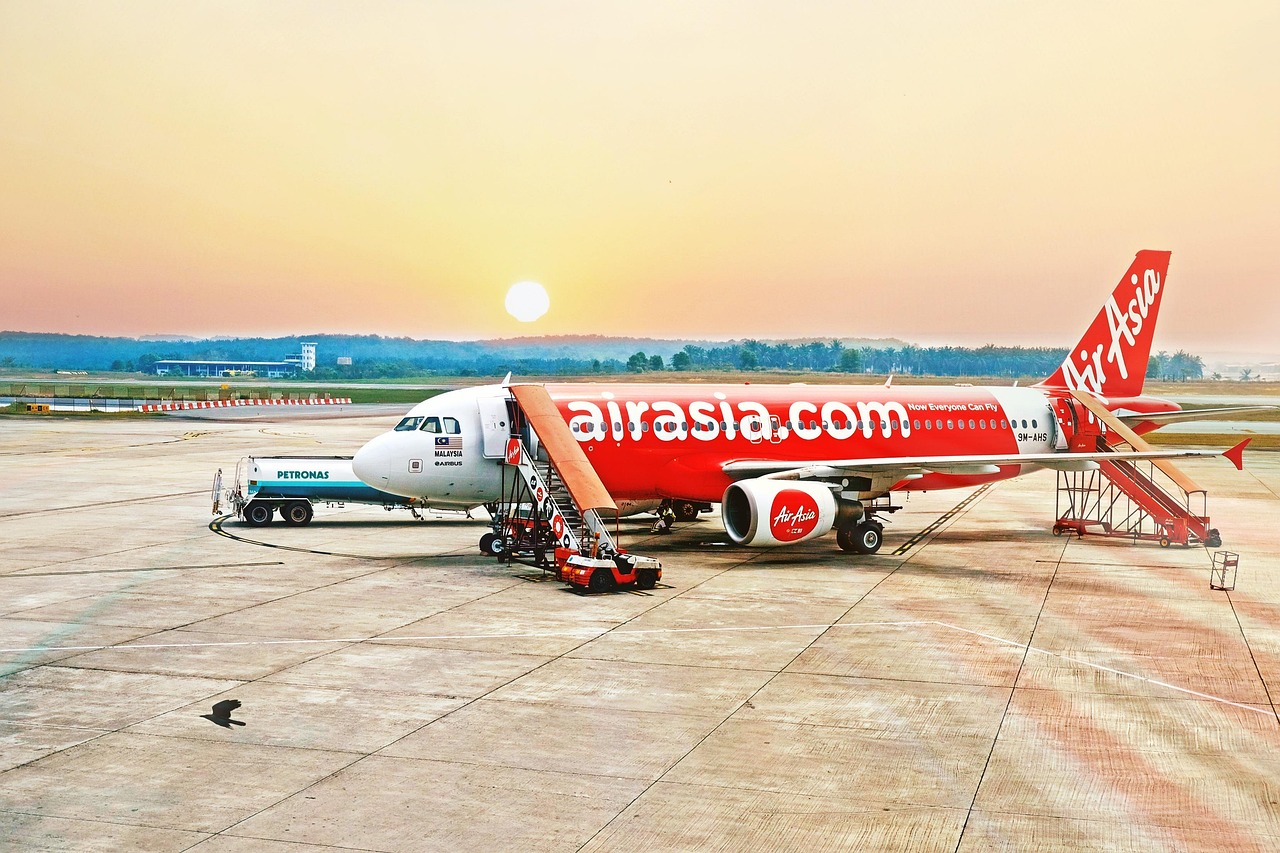
Photo by StockSnap on Pixabay.