Astros at a Crossroads: Navigating Trade Deadline Decisions
The Houston Astros, currently four games under .500 at 50-54, face a critical juncture as the trade deadline nears. Despite their record, their proximity to the AL West lead (two games back) complicates a straightforward sell-off strategy. This delicate balance forces organizational decision-makers to weigh immediate competitive gains against long-term roster value, a strategic tension amplified by Yordan Alvarez’s MVP-caliber season.
Alvarez’s exceptional performance serves as a significant catalyst for the Astros to remain competitive, justifying retention of key assets and potential acquisitions to capitalize on his prime years. While a recent trade of a starter might seem indicative of a sell-off, it could represent a calculated roster adjustment – reallocating resources, addressing specific weaknesses, or generating future capital without abandoning current playoff aspirations. The volatile market for pitching talent often favors opportunistic trades over complete strategic pivots.
White Sox’s Strategic Positioning and Lineup Nuances
The Chicago White Sox, holding a stronger 54-47 record, are positioned to potentially capitalize on their rivals’ uncertainty. Their stable standing allows for a more focused approach to the trade deadline, targeting players that enhance their immediate competitive window. A key tactical element observed is their lineup construction, often featuring a predominantly left-handed batting order against right-handed pitchers like Spencer Arrighetti, indicating a data-driven approach to exploit specific matchups.
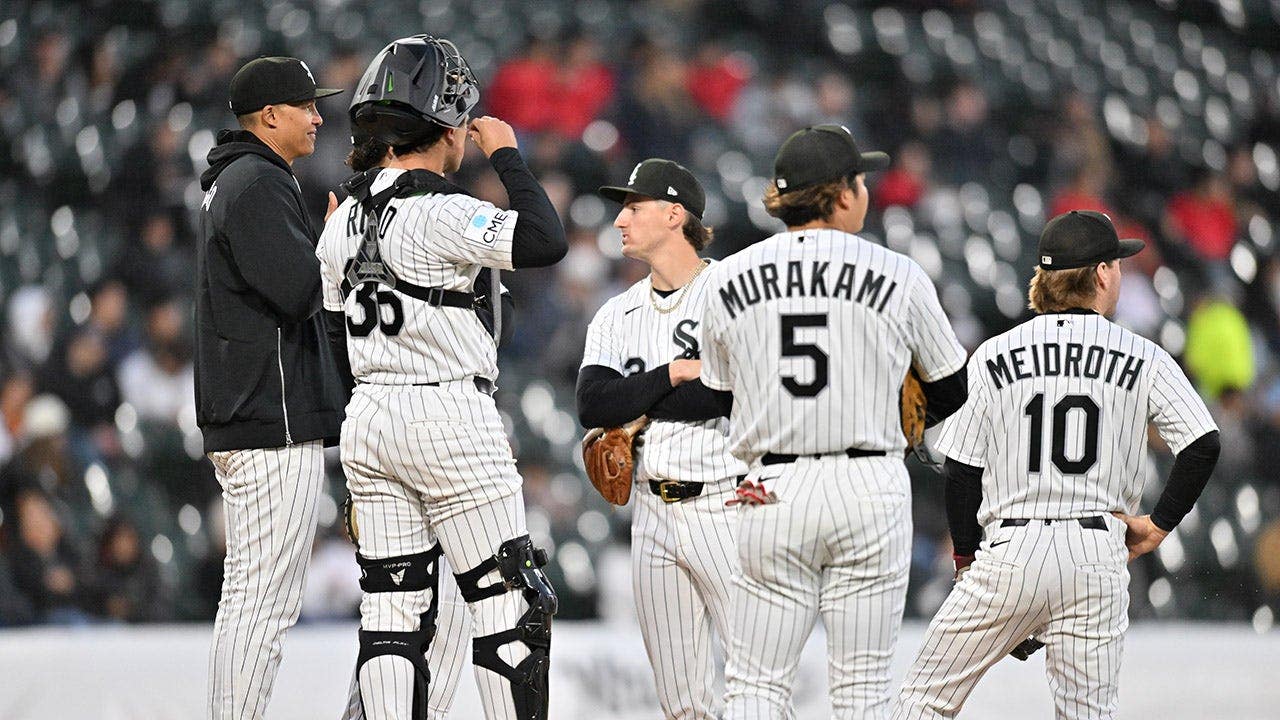
The strategic placement of players like Andrew Benintendi fifth, despite recent struggles, suggests confidence in his potential to contribute offensively. Similarly, the nuanced evaluation of offensive and defensive contributions is evident in decisions such as prioritizing Drew Romo over Edgar Quero at catcher. These granular tactical choices underscore the competitive intensity and the drive to optimize performance in tight games.
Pitching Matchup and Performance Leverage
Tonight’s pitching matchup features RHP Spencer Arrighetti (7-5, 4.34 ERA) for the Astros against RHP Davis Martin (9-5, 3.31 ERA) for the White Sox. Arrighetti’s performance is crucial for the Astros, whose ability to remain competitive hinges on his success in limiting runs and providing length. Martin, with a more robust record and ERA, presents a significant challenge, embodying the White Sox’s pitching strength.
The Astros’ resilience on the road is notable; their 17-12 record over their last four road trips and a 23-18 mark since a poor initial stretch highlights their adaptability. Their offensive prowess away from home, ranking high in home runs, OPS, and slugging, suggests they can generate offense regardless of venue. This makes overcoming Martin’s pitching especially critical for extending their road success.
Market Implications and Betting Angles
The betting market’s assessment, particularly the moneyline favoring the White Sox, suggests a perception of value for contrarian bettors. Sharp bettors often seek discrepancies between public perception and statistical probabilities. The White Sox’s stronger record, home-field advantage, and Martin’s solid pitching likely contribute to their favored status.
However, the Astros’ proven road performance introduces a counter-narrative. Their demonstrated ability to perform well away from home means they are not to be underestimated. This dynamic forces bettors to weigh the White Sox’s overall season performance and home advantage against the Astros’ road resilience and offensive capabilities. Trade deadline activity by both teams will further influence market sentiment and future odds.
Historical Context and Divisional Dynamics
The Astros’ historical dominance over the White Sox (20-13 in the last five seasons, 53-46 all-time) offers a contextual advantage, potentially influencing psychological factors and market expectations. However, the current season’s divisional standings present a different narrative. The Astros’ close pursuit of the AL West lead indicates their season is far from over, contrasting with the White Sox’s likely focus on solidifying their playoff position.
This series marks the first meeting between the teams in 2026, introducing an element of the unknown. While historical trends are informative, current roster dynamics and 2026 performance will ultimately dictate the outcome. The split record in recent matchups (3-3 last season) suggests increased competitiveness compared to the longer-term historical data.
Operational Considerations and Player Performance Leverage
Managing a team through the trade deadline involves complex logistical and strategic considerations. For the Astros, buy-or-sell decisions directly impact talent acquisition, payroll, and morale, with pressure amplified by Alvarez’s presence. The White Sox focus on maintaining operational efficiency, ensuring player development, and seamless integration of potential acquisitions. Tactical decisions, such as lineup construction and player prioritization, are micro-level operational choices crucial for strategic execution.
The performance leverage derived from individual players like Arrighetti or Martin is immense. A pitcher’s consistent high-level performance can swing games and series, directly impacting standings. The strategic importance of these individual contributions is amplified by the shrinking margin for error as the season approaches its critical junctures.
Strategic Imperatives and Future Outlook
The strategic imperatives for both teams are shaped by current standings and the looming trade deadline. The Astros must decide between investing in their current roster for a playoff push or pivoting to a future-focused strategy by trading veteran assets, with significant financial and organizational ramifications. The White Sox, with a more stable position, can afford greater aggression in pursuing immediate success, targeting key upgrades.
This series and subsequent trade deadline decisions will set the trajectory for the remainder of the 2026 season. For the Astros, it could signal a renewed contention or a rebuild. For the White Sox, it could mark a strong playoff run or an opportunity to solidify perennial contender status. These pivotal moments in MLB’s evolving competitive landscape often define a team’s long-term trajectory.