Apple Unveils Next-Generation AirTag with Significant Upgrades
Apple has announced the second generation of its popular item finder, the AirTag. This new iteration promises enhanced functionality, focusing on expanded connectivity range and improved precision finding capabilities, making it easier for users to locate their misplaced belongings.
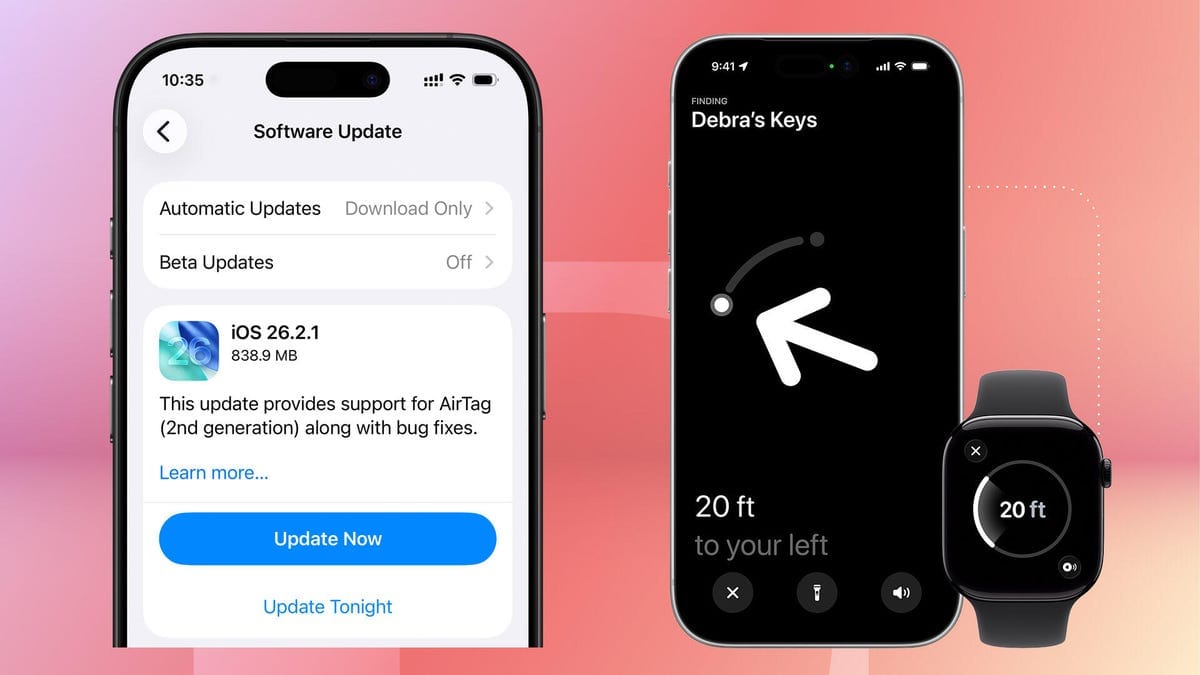
The company has simultaneously released a system software update for iPhone, iPad, and Apple Watch to ensure seamless support for the new AirTag. This update, version 26.2.1, is crucial for unlocking the full potential of the second-generation device, particularly its enhanced precision features.
Key Enhancements: Range and Precision
The standout improvements in the new AirTag are its boosted range and refined findability. Apple states the second-gen device increases its range and volume by 50 percent. This significant jump in range allows users to track items from further away, a welcome improvement for those prone to leaving things behind.
Precision Finding, a feature that utilizes Ultra Wideband technology, has also seen notable improvements. This allows users with compatible iPhone models to get more exact directional guidance to their lost item. The enhanced precision guides users with on-screen arrows and distance indicators, reducing the guesswork involved in locating a missing AirTag.
The Software Backbone: iOS 26.2.1
The functionality of the new AirTag is intrinsically linked to Apple’s ecosystem. The release of iOS 26.2.1 is therefore a critical component of this launch. This software update enables iPhones and other Apple devices to communicate effectively with the new AirTag hardware.
For users with an iPhone 11 or later, the Precision Finding feature leverages the U1 chip to offer an even more intuitive search experience. The software update refines this interaction, making the on-screen prompts more accurate and responsive to the proximity and direction of the AirTag.
Design and Practicality: The Persistent Omission
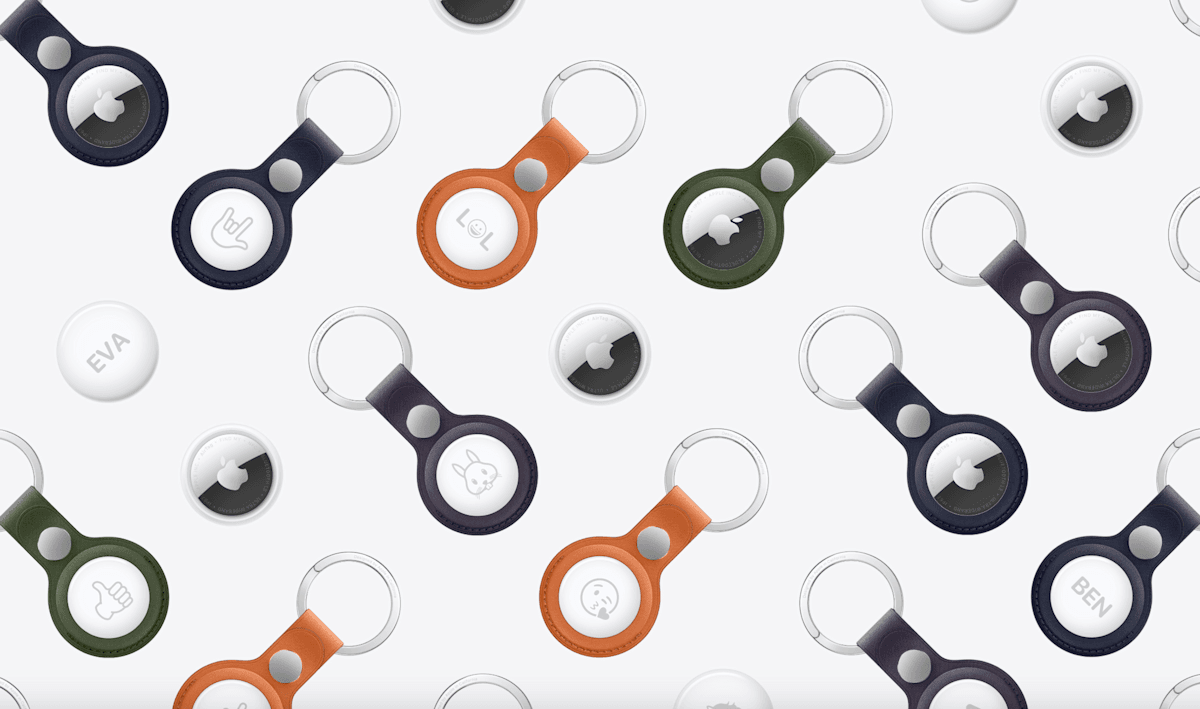
Despite the technological advancements, a notable aspect of the new AirTag’s design remains unchanged: the absence of an integrated keyring hole. This design choice continues to be a point of discussion among consumers.
To attach the AirTag to keys, bags, or other items, users must purchase an accessory, such as a loop or key ring, separately. While Apple offers a range of branded accessories, this omission means an additional purchase is necessary for the most common use case, a factor that could influence purchasing decisions for some.
Pricing and Availability
The second-generation Apple AirTag is available for purchase at $29. This positions it competitively within the market for item tracking devices. The combination of Apple’s robust ecosystem integration and enhanced features aims to solidify its position as a leading choice for consumers seeking to keep track of their valuables.
Why This Matters: Expanding the Apple Ecosystem and Consumer Utility
The introduction of the second-generation AirTag underscores Apple’s ongoing strategy to deepen the integration and utility of its hardware and software ecosystem. By continuously refining accessories like the AirTag, Apple not only provides practical solutions for everyday consumer problems but also encourages greater reliance on its interconnected devices.
For consumers, the enhanced range and precision finding directly address the core purpose of an item tracker: to be found easily and quickly. The 50% boost in range is a tangible improvement, potentially saving users significant time and stress when searching for lost items. This makes the AirTag a more reliable tool for a wider array of scenarios.
The necessity of purchasing separate accessories for attachment, however, highlights Apple’s mature strategy of monetizing its hardware offerings beyond the core product. While this is a standard practice for many Apple products, it remains a point of consideration for budget-conscious consumers looking to track multiple items.
Broader Trends: The Rise of Connected Devices and Personal Tracking
The AirTag is part of a larger trend towards the Internet of Things (IoT) and the proliferation of connected devices designed to enhance daily life. Item trackers, in general, have become increasingly popular as people seek ways to manage and protect their possessions in an often-hectic world.
Apple’s entry into this market with AirTag brought its signature focus on user experience, privacy, and seamless integration to the forefront. The success of the first-generation AirTag demonstrated a significant consumer appetite for such a product within the Apple user base.
Competitors have also been active in this space, offering similar Bluetooth-based tracking solutions. Apple’s continuous updates and new hardware releases indicate a commitment to maintaining its competitive edge by improving core functionalities like tracking range and accuracy, while also leveraging its strong software platform to deliver value.
Looking Ahead: Future Iterations and Ecosystem Expansion
The improvements seen in the second-generation AirTag suggest a clear roadmap for future development. Continued enhancements in Ultra Wideband technology and Bluetooth connectivity could lead to even greater range and precision in subsequent models. Furthermore, Apple might explore integrating tracking capabilities more deeply into other product categories or accessories.
The persistent design element of the missing keyring hole also leaves room for speculation. Future iterations might see this addressed, either through a redesigned chassis or a more integrated accessory solution, to simplify user experience and potentially reduce the overall cost for basic attachment needs.
As the connected device landscape continues to evolve, Apple’s AirTag, with its enhanced capabilities, is poised to remain a significant player. The focus on improved findability and expanded range reinforces its utility as an essential accessory for Apple users aiming to safeguard their belongings.