The Formalization of an Ad-Free Governance Model
Anthropic has officially established a policy maintaining that its artificial intelligence chatbot, Claude, will remain free of advertising. This institutional decision marks a significant strategic departure from the trajectory of its primary competitors within the generative artificial intelligence sector.
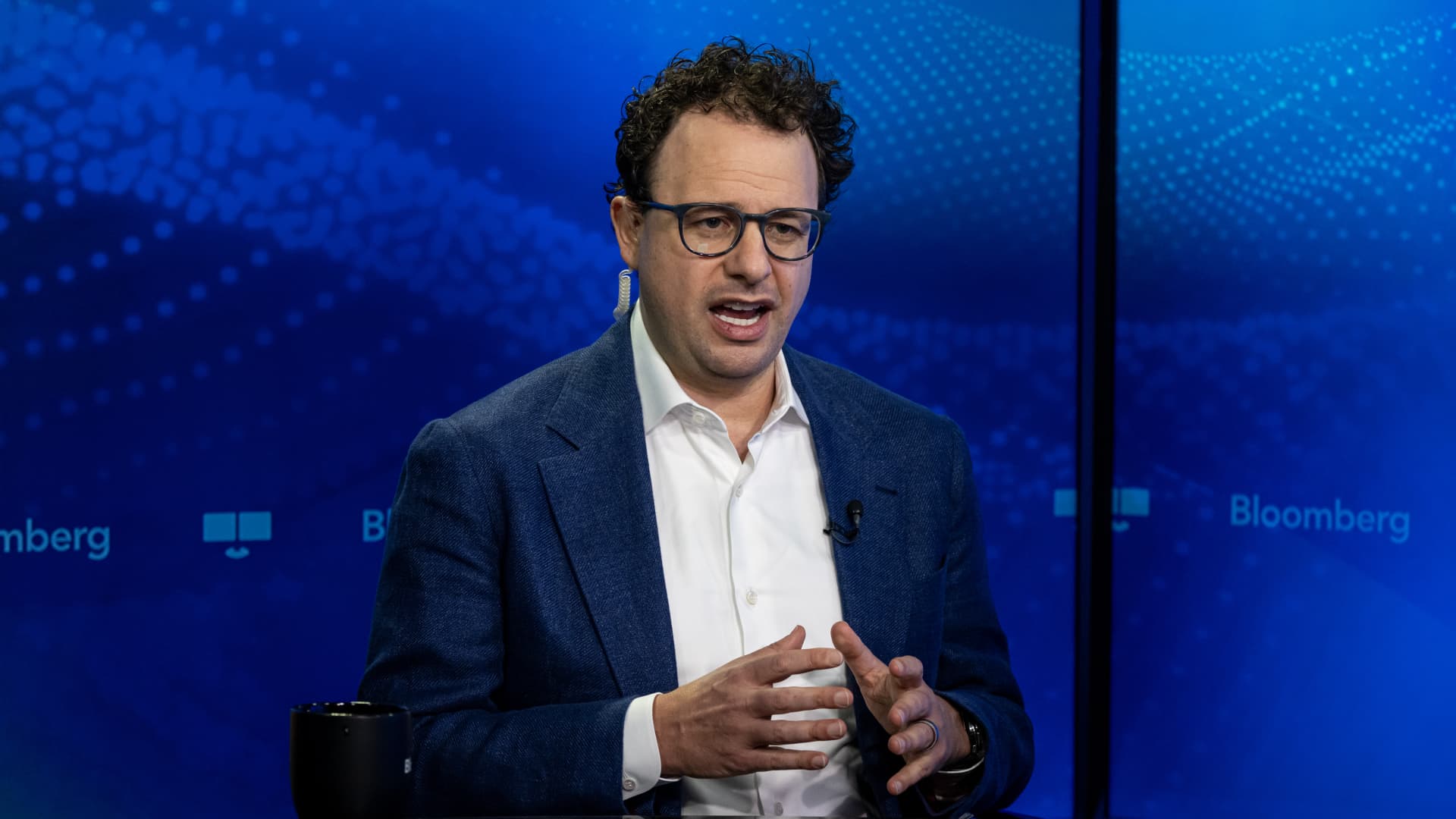
By explicitly rejecting the integration of advertisements into the user interface, the organization is prioritizing a specific type of user engagement and institutional positioning. This commitment was punctuated by a high-profile media debut, signaling a transition from a purely technical startup to a broad-market service provider with defined boundaries on monetization.
The policy serves as a formal response to the broader industry movement toward diversified revenue streams. While the generative AI field has historically relied on venture capital and subscription models, the introduction of advertising represents a new phase of commercialization that Anthropic has chosen to bypass for its flagship product.
Institutional Divergence and Market Positioning
The decision by Anthropic occurs only weeks after its primary rival, OpenAI, signaled intentions to begin testing advertising within its own frameworks. This creates a clear binary in the marketplace regarding how users interact with large language models and how those models are sustained economically.
This divergence suggests a structural split in the industry between attention-based revenue models and utility-based or subscription-centric frameworks. Anthropic’s stance functions as a competitive counter-position, framing the absence of ads as a premium feature or a fundamental requirement for high-level cognitive tasks.
From a policy perspective, this choice reflects an administrative determination to avoid the complexities inherent in ad-tech integrations. By removing the incentive to optimize for user dwell-time or click-through rates, the organization maintains a different set of internal metrics for success compared to ad-supported platforms.
The ‘Space to Think’ as a Structural Philosophy
The organization’s central branding, which describes Claude as a space to think, is not merely a marketing slogan but a structural directive for product development. This philosophy posits that the presence of advertising is inherently disruptive to the cognitive processes intended for the platform.
In this framework, the conversation between a human and an AI is treated as a sensitive environment where commercial interruptions could degrade the quality of thought or the neutrality of the interaction. By asserting that a conversation is not a place for advertising, the organization establishes a boundary between commercial discovery and intellectual utility.
This administrative logic suggests that advertising, while useful for product discovery in other digital contexts, creates an environment incompatible with the core function of the chatbot. The policy implies that the integrity of the ‘thinking space’ is a non-negotiable component of the service’s institutional identity.
Economic Mechanisms and Revenue Structures
The rejection of advertising necessitates a continued reliance on alternative economic mechanisms to sustain high-performance AI development. This typically involves subscription tiers for individual users and enterprise-level licensing for organizations seeking private, high-capacity access.
By narrowing the scope of revenue to these channels, the organization avoids the multi-sided market pressures that come with advertising. In an ad-supported model, the platform must balance the needs of users with the demands of advertisers, a dual-client structure that Anthropic is intentionally avoiding.
This simplified economic structure allows for a more direct alignment between the service provider and the end-user. The administrative overhead required to manage ad auctions, data targeting, and advertiser relations is instead redirected toward the refinement of the core linguistic model and user experience.
Governance of the User Experience
The commitment to remain ad-free has significant implications for how user data is governed within the organization. Ad-supported platforms often require extensive tracking and profiling to ensure commercial relevance, a process that inherently complicates data privacy policies.
By removing the advertising incentive, the organizational architecture can be designed with a more streamlined approach to data handling. There is no structural requirement to share user metadata with third-party advertising networks, which reinforces the platform’s positioning as a secure environment for sensitive queries.
This governance model also protects the interface from the aesthetic and functional clutter associated with digital advertising. The maintenance of a clean, focused environment is treated as a core product requirement, ensuring that the interface remains a neutral tool rather than a commercial billboard.
Strategic Implications of High-Profile Media Entry
Anthropic’s debut in a major televised event signifies a shift in its communication strategy, moving toward a mass-market audience while simultaneously defining its limitations. The choice to use this platform to highlight an ad-free environment suggests that the organization views its no-ads policy as a primary selling point for the general public.
This high-stakes entry into the public consciousness serves to solidify the brand’s identity before ad-supported models become the industry standard. It establishes a baseline expectation for users who may be seeking an alternative to platforms that are currently transitioning toward commercialized interfaces.
The administrative decision to invest in such high-profile exposure indicates a long-term commitment to this specific market niche. It is a strategic move to capture a segment of the user base that prioritizes focus, privacy, and a lack of commercial interference in their digital tools.
The Role of Competition in AI Policy
While the organization acknowledges that advertising is a valid driver of competition and product discovery in the broader economy, it explicitly separates its own service from those traditional market dynamics. This nuanced view allows the firm to maintain its policy without making a moral judgment on the advertising industry at large.
Instead, the policy is framed as a matter of situational appropriateness. The institutional belief is that certain digital spaces are better suited for commerce than others, and a generative AI interface belongs in the category of focused utility rather than commercial browsing.
As other entities in the sector move toward testing and implementing ads, this policy will likely serve as a benchmark for how users and regulators evaluate the different paths available for AI commercialization. It highlights the emergence of a multi-tiered ecosystem where the presence or absence of ads becomes a defining characteristic of the service provider.
Conclusion on Institutional Stability
The decision to keep Claude ad-free represents a stabilizing force in the organization’s corporate strategy. It provides a clear roadmap for future development that excludes the integration of ad-tech, allowing engineers and policy experts to focus on the performance and safety of the model itself.
This clarity of purpose is essential as the regulatory environment for AI continues to evolve in the United States and Europe. By maintaining a straightforward, ad-free relationship with users, the organization positions itself as a predictable and transparent actor in an otherwise volatile and rapidly changing market.
The long-term success of this governance model will depend on the continued viability of non-advertising revenue streams. However, the current institutional commitment provides a definitive answer to how one major player intends to navigate the commercial future of artificial intelligence.