Institutional Frameworks of Executive Succession
The transition of leadership within a global media conglomerate represents a significant structural event that necessitates rigorous institutional oversight. The announcement regarding Josh D’Amaro assuming the chief executive role next month marks the commencement of a formal handover process from Bob Iger.
This transition is not merely a change in personnel but a realignment of the administrative mechanisms that govern the organization. In the context of global entertainment entities, the CEO position functions as the primary link between the board of directors and operational segments.
Such movements are typically governed by internal succession policies designed to ensure continuity while addressing shifting market requirements. The timing of this announcement, occurring in proximity to quarterly earnings reports, suggests a calculated approach to maintaining stakeholder confidence during a period of high transparency.
The D’Amaro Mandate and Operational Continuity
Josh D’Amaro’s elevation to the CEO position places him at the center of Disney’s administrative structure at a critical juncture. The role requires the management of complex international divisions, ranging from physical infrastructure and parks to digital media and global distribution networks.
Institutional stability during such a transition depends on the leader’s ability to interpret and execute the strategic vision established by the board. By taking over from Bob Iger, D’Amaro inherits a legacy of consolidation and growth that now requires sustained operational maintenance.
The administrative burden on the incoming CEO is compounded by the need to address multiple internal challenges. While the specific nature of these challenges remains a matter of institutional concern, they generally encompass fiscal efficiency, technological adaptation, and the optimization of legacy assets.
The Walden Strategic Position and Executive Interdependence
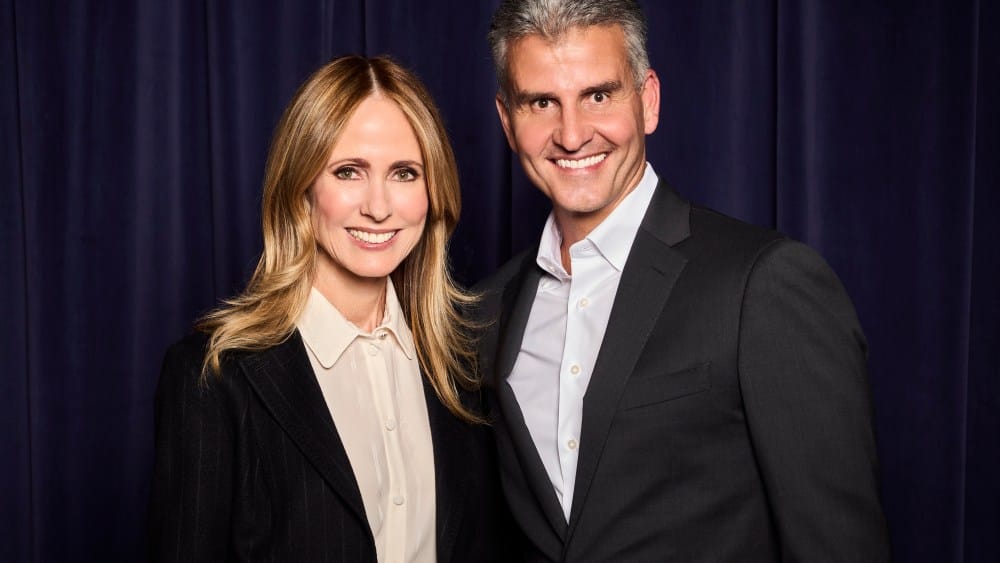
While Josh D’Amaro assumes the chief executive title, the role of Dana Walden has been redefined within a new, highly visible framework. Walden’s new position, though distinct from the CEO role, is described as placing her in a significant strategic environment, often referred to as a ‘fishbowl’ within the industry.
The institutional relationship between D’Amaro and Walden is characterized as intertwined, indicating a structural necessity for collaboration between their respective purviews. This interdependence is a common feature of modern corporate governance, where specialized leadership handles distinct operational pillars while reporting to a central executive authority.
Walden’s placement signifies the importance of creative and administrative synergy in the media sector. The success of the organization’s content strategy is fundamentally linked to the operational and fiscal frameworks managed by the chief executive, creating a symbiotic leadership dynamic.
The Fishbowl Effect and Public Accountability
The term ‘fishbowl’ accurately describes the environment of intense scrutiny that high-level media executives inhabit. This visibility is an inherent part of the institutional reality in Hollywood, where leadership decisions are monitored by investors, regulators, and the global media landscape.
For Dana Walden and Josh D’Amaro, this scrutiny functions as an informal regulatory mechanism. Every strategic shift or policy adjustment is evaluated through the lens of institutional health and market positioning, requiring a high degree of transparency and accountability.
This level of public and professional observation ensures that executive actions remain aligned with the stated goals of the corporation. In the absence of a singular leadership focus, the shared responsibility between these two figures provides a system of internal checks and balances.
Financial Transparency and Market Context
The release of Disney’s earnings report immediately preceding the leadership announcement serves as a critical factual backdrop. Financial reporting is an essential tool for institutional accountability, providing the data necessary to evaluate the effectiveness of the outgoing administration.
By reporting earnings before the formal change in leadership, the organization establishes a baseline for the incoming CEO. This process allows the board and stakeholders to distinguish between the performance of the current leadership and the future impact of the D’Amaro administration.
The intersection of financial performance and leadership transition is a standard procedure in corporate policy. It ensures that the transfer of power occurs within a framework of documented fiscal reality, minimizing uncertainty for global markets and internal departments.
External Factors and the Broader Economic Environment
The broader economic and political landscape also influences the institutional stability of major corporations. Recent events, such as the resolution of the government shutdown and reported traffic issues at companies like Chipotle, highlight the external pressures facing large-scale operations.
A government shutdown affects the macroeconomic stability within which media and entertainment companies operate. Its conclusion provides a more predictable environment for administrative planning and consumer engagement, which is vital for an incoming CEO managing vast infrastructure.
Similarly, operational problems in other sectors, such as consumer traffic shifts, serve as reminders of the volatility inherent in market-facing industries. The management of these external variables is a secondary but essential component of the institutional mandate given to the new executive team.
Conclusion of the Transition Phase
The succession from Bob Iger to Josh D’Amaro, complemented by the strategic positioning of Dana Walden, represents a comprehensive restructuring of Disney’s top-tier leadership. This process is defined by institutional rigor and the need for structural continuity across multiple business segments.
The success of this transition will depend on the effective collaboration of these leaders and their ability to navigate the complex administrative and market challenges ahead. The intertwined fates of Walden and D’Amaro reflect a modern approach to corporate governance where collective leadership is utilized to manage global complexity.
As the organization moves into this next phase, the mechanisms of executive succession and financial accountability will remain the primary metrics for evaluating the health of the institution. The focus now shifts to the implementation of the new mandate and the resolution of the structural problems awaiting the next CEO.