The Emergence of Personalized Generative AI Trends
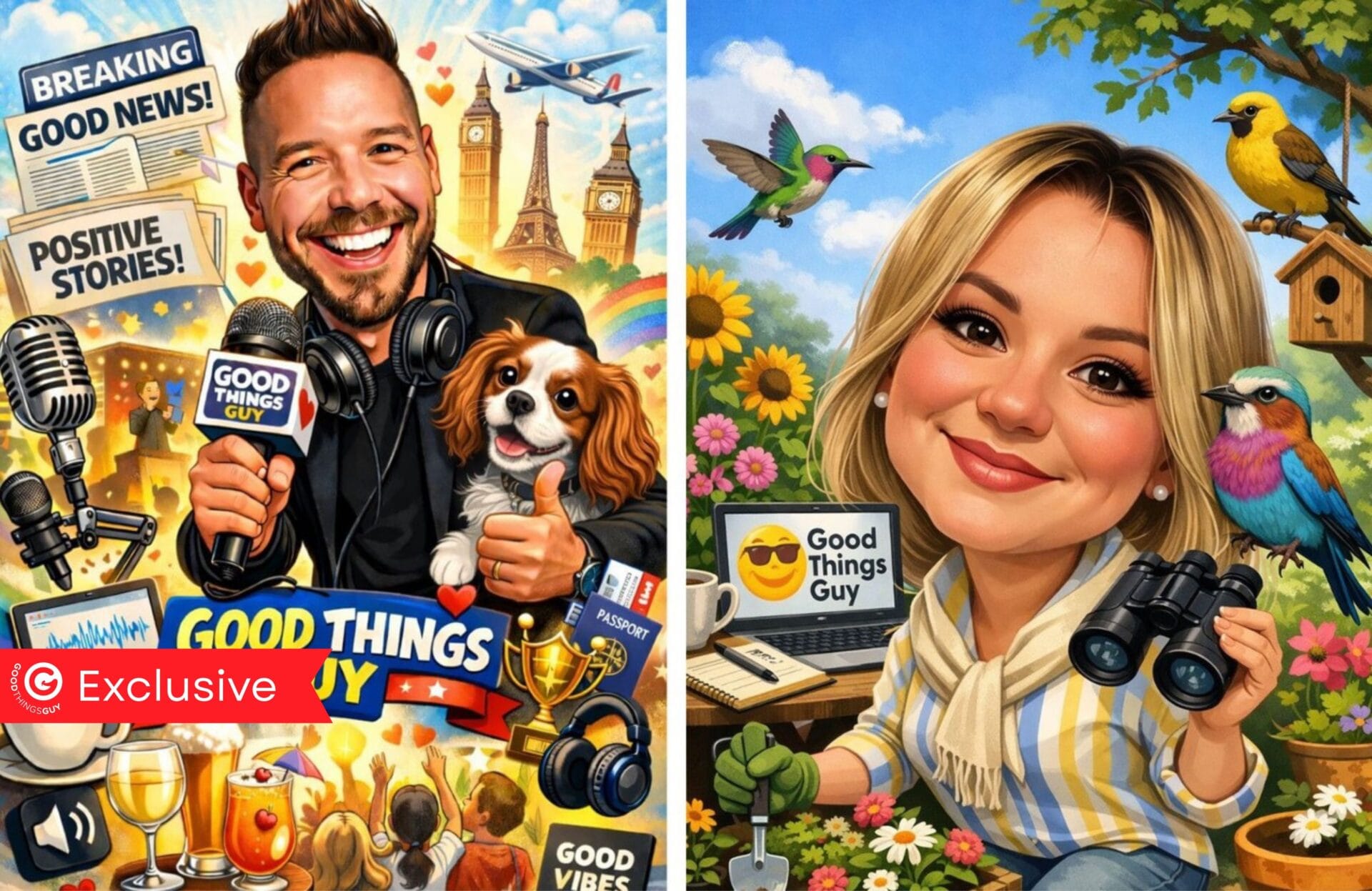
Social media platforms began circulating highly specific, cartoon-like personalized images, marking what has been identified as the first significant artificial intelligence (AI) derived content trend of 2026. This phenomenon, often labeled the ‘ChatGPT caricature trend,’ illustrates the evolving dynamics between large language models (LLMs) and visual generative capabilities in creating mass-appeal, easily reproducible content.
Reports from locations including Mobile, Alabama, and observation across global social media timelines confirm the widespread proliferation of these images. The trend involves users transforming self-portraits or profile images into distinctive, visually cluttered caricatures, fundamentally driven by user interaction with generative AI systems.
Structural Analysis of Visual Clutter and Prompt Engineering
A defining characteristic of these viral caricatures is the abundance of specific visual elements surrounding the central figure. These objects frequently include, but are not limited to, clocks, trophies, coffee mugs, notepads, and flowers. The consistent presence of this specific iconography points toward standardized output parameters or highly refined prompt architecture within the underlying generative model.
This visual density is not random; it reveals critical insights into the functional administration of prompt engineering. Generative models often rely on detailed, object-specific instructions to create rich contextual environments. The inclusion of commonplace items like mugs and clocks suggests that the trending prompts leverage readily available semantic concepts associated with routine, aspiration, or identity, thereby increasing the personalization factor while maintaining stylistic uniformity across millions of disparate user inputs.
The explicit mention of ‘ChatGPT’ in connection with a visual trend requires careful technical interpretation. While models like ChatGPT are primarily designed for textual generation, their branding is increasingly applied broadly to multimodal AI experiences that combine text prompts with sophisticated image generation systems (e.g., DALL-E, or other proprietary platforms). This branding strategy structurally positions the LLM interface as the primary gateway for user creativity, regardless of the complexity of the underlying visual synthesis engine.
The Economics of Algorithmic Virality and Platform Engagement
The speed and reach of the AI caricature trend underscore the structural incentives driving modern digital media consumption. Platforms prioritize content that is highly personalized, easily shareable, and low-friction to produce, thus ensuring maximal user engagement and time spent within the ecosystem. Generative AI trends fulfill this requirement perfectly by reducing the barrier to content creation from specialized artistic skill to simple textual input (prompt formulation).
This rapid cycle of personalized content generation sustains the platform’s core algorithmic strategy: identifying and amplifying highly reproducible, emotionally resonant templates. The ability for millions of users to generate a version of the trend relevant to their own identity—a process facilitated by standardized prompts—creates a cascade effect that is algorithmically favorable and structurally engineered for global dissemination.
Cultural Implications of Synthesized Identity
The institutional adoption of generative AI systems impacts cultural norms surrounding self-representation. Traditional caricatures required human interpretation, skill, and time, injecting subjective artistic intent. In contrast, AI caricatures offer instant, standardized identity synthesis, operating under the perceived neutrality of an algorithm.
While appearing benign, this widespread normalization of AI-driven image modification is structurally significant. It acclimatizes a mass audience to the instant synthesis of visual media, establishing a cultural expectation for seamless digital transformation of personal imagery. This behavioral shift lays the groundwork for the future acceptance of more complex, and potentially more challenging, applications of synthesized media, requiring heightened media literacy regarding image provenance and manipulation.
Navigating Technical Ambiguity in AI Branding
The conflation of the LLM brand (ChatGPT) with visual output illustrates a common challenge in the contemporary technology sector: the strategic convergence of branding around a dominant interface. This administrative simplification, while beneficial for user adoption, can obscure the complex technical stack and the array of proprietary models involved in the final output.
For analysts and regulatory bodies, this lack of transparency regarding the source image generation model—which dictates data sourcing, intellectual property protocols, and filtering mechanisms—complicates efforts to establish governance frameworks. The focus remains on the user-facing LLM interface, even when the principal activity (image generation) relies on distinct technical architectures, demanding a more nuanced understanding of multimodal AI system liability.
The Role of Prompt Tuning in Shaping Digital Aesthetics
The specific aesthetic, defined by the deliberate clutter of symbolic objects (clocks for time/schedule, trophies for achievement, mugs for routine), reflects an optimized prompt environment designed to resonate broadly with common aspirational and mundane identifiers. This process of ‘prompt tuning’ is a critical component of the generative content economy.
It is not merely about producing an image, but about engineering the prompt to yield maximal emotional and structural effectiveness—ensuring the output is distinct enough to be noticed but familiar enough to be universally adopted. The institutional strategy of the underlying models is thus shifting from merely accurate representation to culturally resonant template generation, driving both artistic trends and the commercial viability of AI platforms.