The recent escalation of severe meteorological events across North Texas has transitioned from a localized weather disturbance into a systemic test of regional resilience. With tornado watches spanning Collin, Cooke, Dallas, and Denton counties, the atmospheric instability has exposed critical vulnerabilities within the region’s urban-rural interface. This event necessitates a rigorous audit of municipal emergency readiness and the operational capacity of utility providers to maintain service continuity under extreme load.
Critical Infrastructure and Public Safety Efficacy
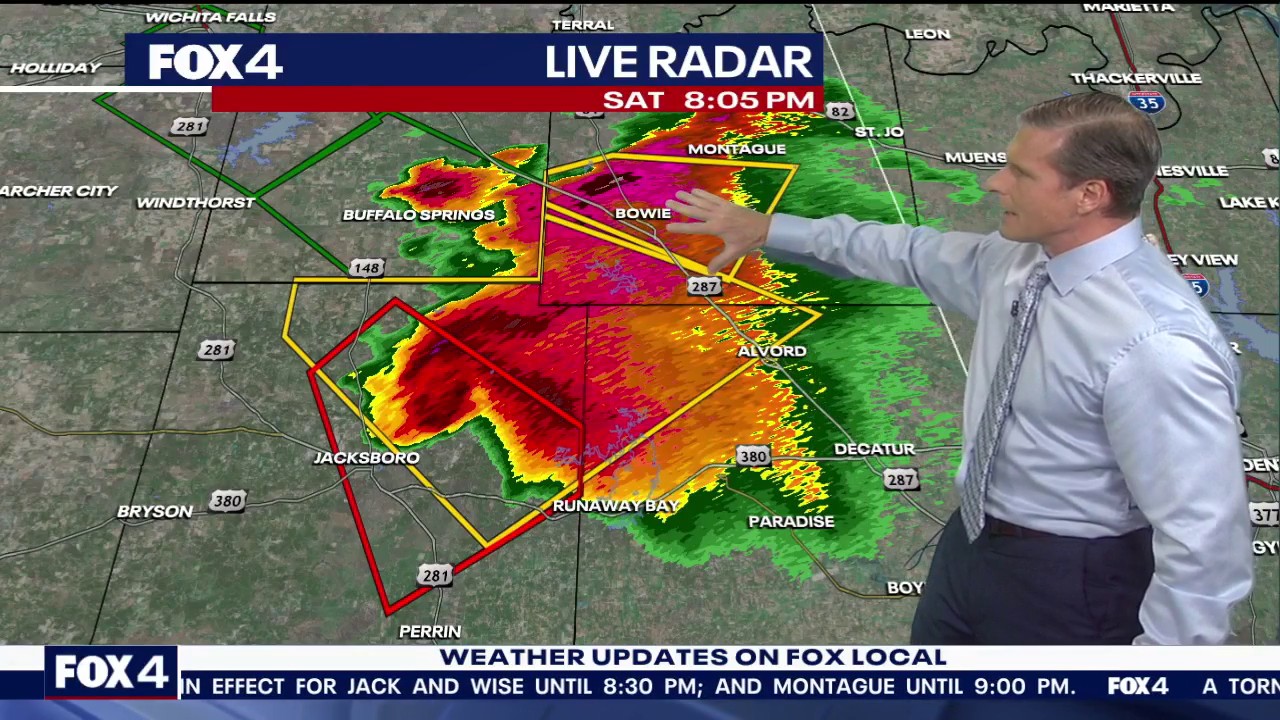
The activation of early warning systems in municipalities including Haslet, Weatherford, and Fort Worth underscores the reliance on auditory alerts as a primary defensive layer. However, the timing of these events—occurring frequently during overnight windows—challenges the efficacy of residential responsiveness. The coordination between Nexrad data processing and siren deployment represents a vital link in the survival chain, yet fatalities in Parker and Wise counties suggest a breach in this protective protocol, likely exacerbated by the rapid intensification of storm cells south of Springtown.
At high-capacity venues such as Dickies Arena, the execution of shelter-in-place protocols—moving attendees into reinforced tunnels—establishes a benchmark for private-sector duty of care. This proactive management mitigates mass-casualty risks and demonstrates the successful integration of hyper-local weather intelligence into facility operations. Such measures are increasingly mandatory as liability standards evolve in response to more frequent high-velocity wind events.
Structural Failure and Socio-Economic Displacement
The documented fatalities in Parker and Wise counties serve as a grim indicator of building envelope limitations. The destruction of residential assets in these areas reveals a disparity in storm shelter accessibility between urban centers and rural environments. This structural failure triggers a secondary socio-economic crisis: the immediate displacement of families and a sudden surge in demand for social services and emergency housing. The loss of physical capital necessitates a rapid influx of reconstruction resources, potentially straining the regional labor market and material supply chains.
Furthermore, flash flood warnings in Tarrant and southern Dallas counties highlight the hydrological constraints of aging drainage systems. When precipitation intensity exceeds the infiltration capacity of urban surfaces, the resulting runoff compromises transit networks and logistical hubs. These failures often reveal maintenance deficits in municipal infrastructure, requiring significant long-term capital investment to remediate future risk.
Economic Exposure and Strategic Forecasting
The threat of two-inch hail and 60 mph gusts in Dallas, Ellis, and Kaufman counties introduces high-frequency economic exposure for the automotive and real estate sectors. Hail of this magnitude typically causes terminal damage to vehicle fleets and compromises roofing integrity across wide geographic swaths. This results in localized inflationary pressure on construction costs as the region competes for limited insurance-adjuster capacity and specialized labor.
Strategic communication, such as ‘First Alert’ designations by regional media, attempts to convert complex meteorological modeling into actionable intelligence. As the storm track shifts toward the I-30 corridor, the focus moves toward East Texas, where 2.5-inch hail and 70 mph winds pose a catastrophic threat to property. The persistent unsettled pattern through Tuesday suggests that economic impacts will be cumulative, with businesses facing prolonged operational friction and utility companies managing ongoing grid stability risks.
Institutional Accountability and Long-Term Recovery
The procedural restraint by Parker County Fire in withholding casualty details reflects a commitment to data integrity during the fluid ‘recovery’ phase. Accurate damage assessments are foundational to securing state and federal disaster declarations, which dictate the speed of fiscal stabilization. As North Texas prepares for subsequent atmospheric volatility, the institutional focus must pivot from immediate tactical response to long-term structural adaptation and the hardening of critical infrastructure against recurring natural hazards.