Navigating the Hybrid Operational Model: From Royal Duty to Private Enterprise
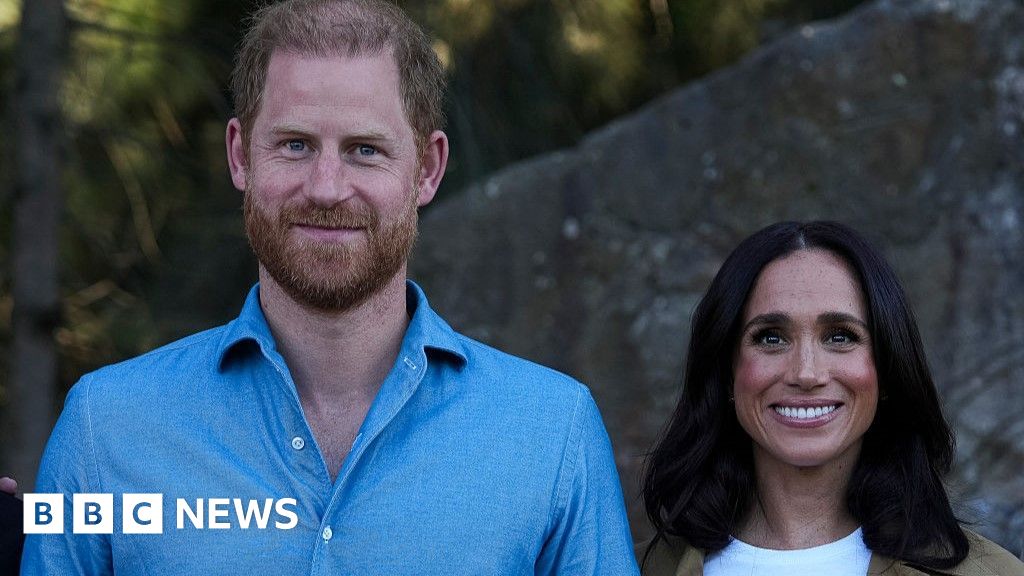
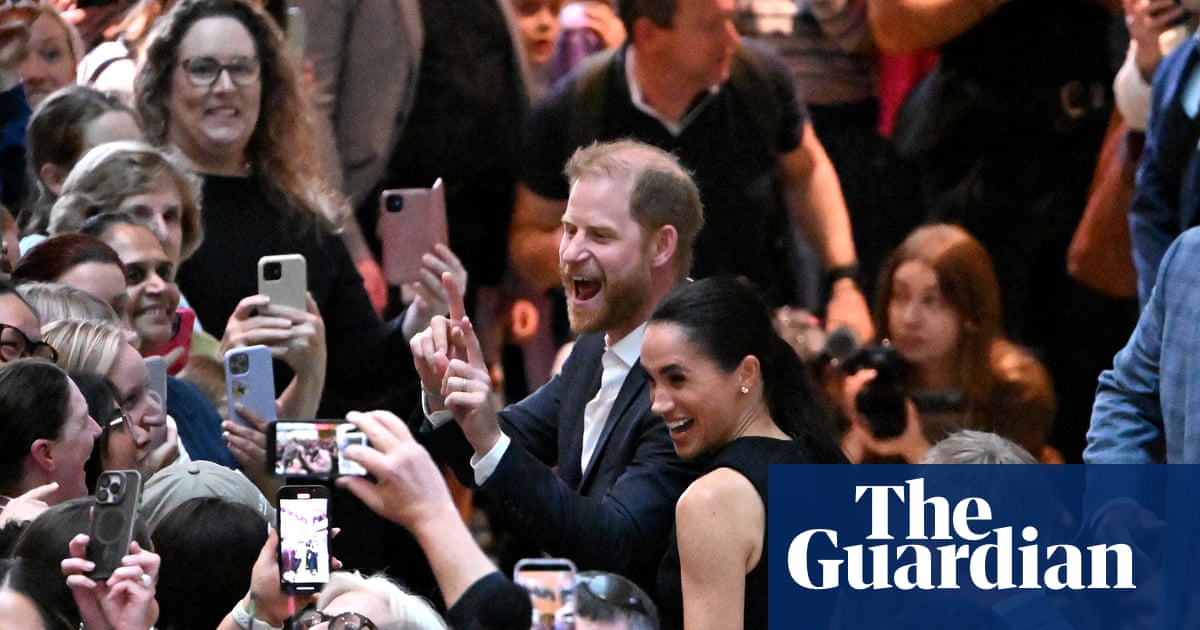
The recent four-day visit by the Duke and Duchess of Sussex to Australia provided a critical case study in the strategic ambiguities inherent in their transition from working royals to private citizens. The trip’s structure blended quasi-regal public engagements—such as those focused on Indigenous culture and national remembrance—with private commercial events. This hybrid model poses significant operational challenges, particularly concerning public perception and financial viability.
Stakeholder Friction and Financial Scrutiny
A central challenge identified during the visit was managing stakeholder expectations, particularly regarding financial transparency and security costs. The source notes significant backlash after it emerged that Australian taxpayers might bear some of the security expenses for public events. This financial exposure creates stakeholder conflict, as the perception of taxpayers subsidizing private commercial ventures generates reputational risk. The strategic decision to maintain elements of royal status while operating outside the traditional institutional framework leads to inherent controversy when public funding is perceived to support private endeavors. The need to counter allegations of “cashing in” on their titles and the analogy of using Australians as an “ATM” highlight the difficulty of managing financial narratives without official institutional support.
The Erosion of Leverage: Public Engagement and Performance Metrics
The shift in public engagement from their previous 2018 visit, where they were greeted as active members of the Royal Family, underscores a significant change in leverage. The source notes that many Australians were either unaware or uninterested in the current visit. This decline in public engagement poses a direct challenge to the value proposition of a celebrity-royal hybrid model, which relies heavily on high-visibility media attention and public enthusiasm to drive commercial opportunities. The assessment provided by Giselle Bastin of Flinders University—that success was defined by “nothing gone wrong”—indicates a shift from positive engagement metrics to a low bar based on risk avoidance. This suggests that the couple’s operational model prioritizes stability over generating public support, potentially limiting future opportunities.
Monetization Challenges and Media Narrative Control
The financial structure of the tour itself reveals the complexities of monetizing a hybrid status. While the tour was privately funded, it included many unpaid appearances. The source notes that rumors regarding significant paydays for appearances were explicitly denied by spokespersons. This suggests a defensive posture in managing media narratives surrounding commercial activities. The media’s focus on allegations of financial gain, even if unsubstantiated, overshadowed charitable goals. The disparity between media speculation and documented financial facts creates a challenging environment for brand management, where negative framing can define public perception more effectively than philanthropic intentions.
Long-Term Implications of Institutional Disconnect
The outcomes of the Australia trip provide valuable insight into the long-term viability of their brand positioning. The source documents the difficulty of managing public perception when attempting to distance themselves from the monarchy while retaining vestiges of royal status. Without the institutional infrastructure that supported previous visits, managing security, logistics, and public expectations becomes significantly more complex. The conflict arises from leveraging a status derived from an institution they have publicly separated from. The documentation of public disinterest and financial controversy suggests a potential erosion of leverage. When public engagement declines and financial scrutiny increases, the strategic value of the brand diminishes, potentially impacting future partnerships and endorsements that rely on high levels of public support.