The Strategic Role of Opening Ceremonies in National Branding
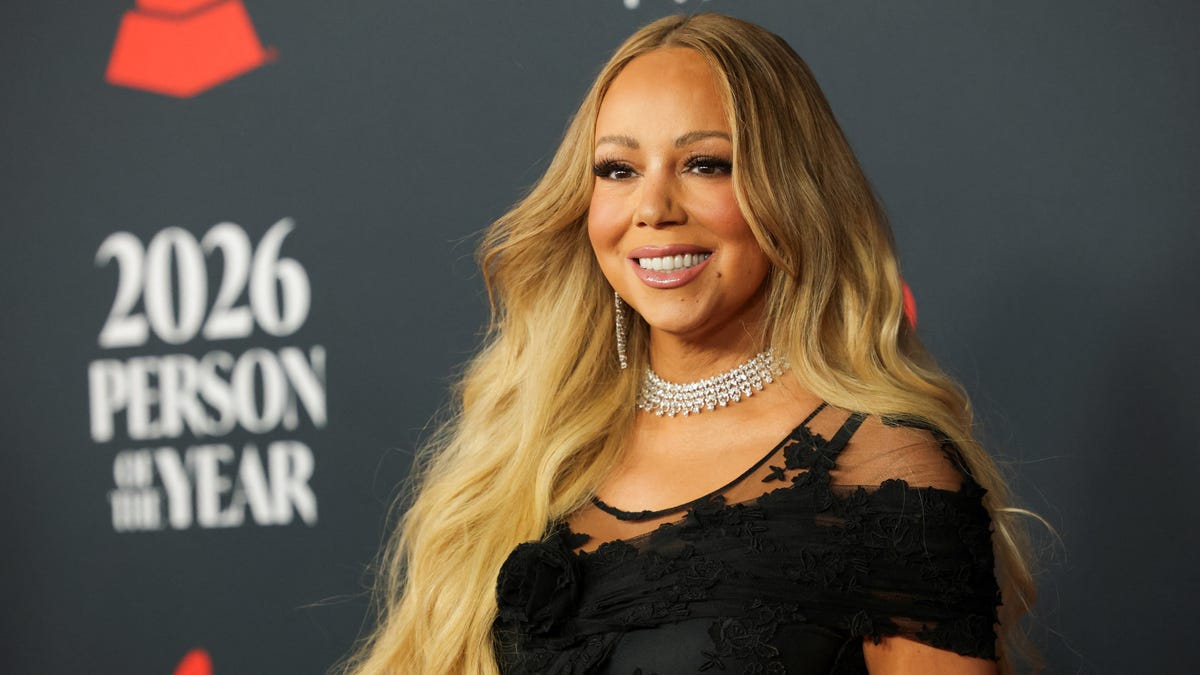
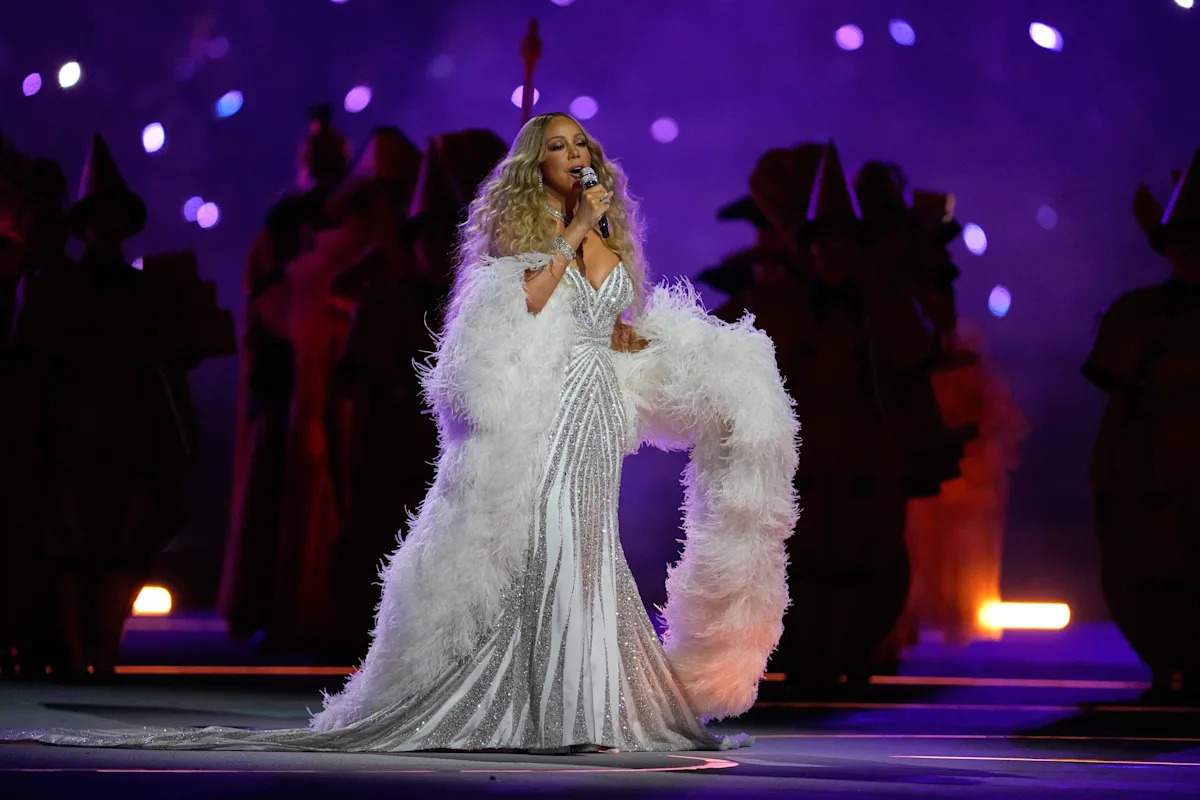
The 2026 Winter Olympics opening ceremony in Milan, Italy, featured a carefully curated lineup of performers, including international superstar Mariah Carey, as well as Italian figures Andrea Bocelli and Sabrina Impacciatore. The selection and sequencing of these artists for the opening spectacle at Stadio San Siro illustrate a strategic approach to cultural diplomacy and national soft power projection.
An Olympic opening ceremony functions as a critical platform for a host nation to present its identity to a global audience. It is far more than a simple celebration; it serves as a calculated act of institutional branding. The spectacle, which typically lasts several hours, is meticulously designed to convey specific messages about the nation’s cultural heritage, values, and vision for the future, leveraging global media attention to enhance its international standing.
The organizing committee’s choices reflect a balancing act between local cultural specificity and universal appeal. The integration of performers like Mariah Carey, a globally recognized figure, with prominent Italian artists such as Andrea Bocelli, suggests a deliberate strategy to maximize audience engagement on both domestic and international fronts. This approach aims to create a ceremony that resonates with national pride while simultaneously attracting a vast international viewership.
The Institutional Dynamics of Performer Selection
The decision to feature Mariah Carey as part of the opening ceremony lineup highlights the growing trend of host countries utilizing international celebrities to enhance the global visibility of major events. Such decisions are often guided by institutional considerations related to media appeal and commercial strategy. By including a performer with a broad international following, the organizing committee ensures significant media coverage and strengthens the event’s appeal to key broadcasting partners.
The reported plan for Carey to perform in Italian adds another layer to this strategy. This act of cultural integration serves as a symbolic bridge between international celebrity culture and local tradition. It frames the global figure within the context of the host nation, creating a sense of inclusion and celebrating cultural exchange, rather than simply importing foreign talent. This specific element of the performance reinforces the host nation’s message of openness while maintaining a strong connection to its linguistic and artistic heritage.
The sequencing of performances, with Carey taking the stage first before other Italian stars, further supports this analysis. It positions a globally recognizable name at the beginning of the broadcast to capture initial international attention, before transitioning to a showcase of prominent national talent. This structure ensures that both global media interest and national cultural representation are prioritized in a structured manner throughout the three-hour spectacle.
Soft Power and Cultural Representation in Major Events
The institutional objective of an Olympic opening ceremony extends beyond entertainment to include a nuanced projection of soft power. Soft power, in this context, refers to a nation’s ability to influence international relations through cultural and ideological appeal, rather than through coercion. The choice of performers, artistic direction, and underlying themes are all elements carefully managed by the organizing committee to achieve specific foreign policy goals.
The inclusion of figures like Andrea Bocelli, a classical tenor known for his global appeal, represents the showcasing of traditional Italian cultural exports. His presence links the ceremony to Italy’s rich artistic legacy, appealing to a sense of timeless elegance and cultural depth. Conversely, the inclusion of contemporary figures like Sabrina Impacciatore, an actress recognized for her recent international work (such as in ‘White Lotus’), highlights Italy’s contemporary relevance and its impact on modern media and entertainment.
This calculated mix of classical tradition and contemporary celebrity demonstrates a sophisticated approach to national branding. The goal is not merely to entertain, but to shape global perceptions of Italy as a country that honors its past while actively participating in the present international cultural conversation. The ceremony becomes a strategic communication tool, carefully crafted to deliver a specific message to a global audience of billions.
Broadcasting Strategy and Institutional Relationships
The source references the live broadcast of the ceremony on a major network like NBC, underscoring the vital connection between event production and media strategy. The selection of high-profile performers is a crucial element in maximizing broadcast viewership, which directly impacts the commercial success of the games for both the host nation and the rights-holding networks.
Broadcasters invest heavily in securing rights to major events, and the opening ceremony’s performance lineup significantly influences initial ratings and advertising revenue. The organizing committee’s institutional planning must therefore consider the interests of media partners. By featuring artists like Mariah Carey, the host city ensures a strong start to the broadcast, validating the investment made by networks and setting a precedent for viewership during the remainder of the games.
This relationship between event production and broadcast strategy highlights the commercial underpinnings of cultural diplomacy. The cultural spectacle serves both as a public relations exercise for the host nation and as a commercial product for a global media market. The coordination required for a successful three-hour live broadcast at Stadio San Siro necessitates complex logistical planning and strong institutional collaboration between the host committee, artists, and media partners.
Conclusion: A Synthesis of Culture and Institutional Strategy
The Milan 2026 Winter Olympics opening ceremony represents a significant institutional effort to blend national identity with global appeal. The selection of performers, including Mariah Carey, Andrea Bocelli, and Sabrina Impacciatore, demonstrates a strategic framework where cultural figures are utilized to achieve broader objectives in soft power projection and commercial viability. The ceremony’s design reflects a calculated approach to international relations, where every element of the spectacle contributes to a carefully constructed image of the host nation for a worldwide audience.