Industrialized Production and Corporate Integration
Season 8 of Love Island USA serves as a benchmark for high-frequency reality production, characterized by a sophisticated alignment of global logistics and corporate vertical integration. The collaboration between ITV America, Lifted Entertainment, and Motion Entertainment (a WPP Media company) represents a strategic confluence of content creation and brand-side marketing. By embedding WPP’s commercial expertise into the production layer, the series transcends traditional content delivery, functioning as a high-conversion vehicle for integrated brand ecosystems.
The institutional oversight by ITV Studios ensures rigorous adherence to the ‘Love Island’ global blueprint. This standardization facilitates a seamless transfer of operational methodologies—ranging from specific villa aesthetics to the precise cadence of contestant rotation—guaranteeing predictable performance metrics for stakeholders and maintaining brand equity across international markets.
Temporal Strategy and SVOD Retention Cycles
The 9 p.m. ET release window, five nights a week, reflects a calculated effort to engineer habitual consumption patterns within a digital-first environment. By synthesizing the urgency of linear television with the accessibility of streaming, Peacock optimizes user retention. The deliberate mid-week hiatus on Wednesdays serves a dual purpose: it mitigates production fatigue and provides a critical window for data scientists to synthesize audience sentiment from fan votes, thereby calibrating the narrative trajectory for the weekend peaks.
The Saturday ‘Aftersun’ episodes function as a low-overhead engagement extension. This auxiliary format amplifies the core brand’s lifecycle without the capital-intensive requirements of primary competition episodes, effectively increasing the platform’s ‘stickiness’ through meta-analysis and recap culture.
Social Engineering: The Mechanics of Structural Volatility
The deployment of six ‘bombshells’—including Caleb, Jen, and Sol—within the initial operational phase illustrates the production’s reliance on induced volatility to prevent narrative stagnation. These entrants act as catalytic disruptors, specifically designed to stress-test established social hierarchies and nascent alliances, such as those between Trinity/Bryce and Melanie/Sincere.
The expulsion of Sean in Episode 5 functions as a high-stakes performance indicator, signaling to the remaining cohort that social capital is a transient asset. This environment demands constant renegotiation of interpersonal status, ensuring that the ‘social experiment’ remains dynamic and data-rich for the editing cycle.
Spatial Design and Narrative Catalysis
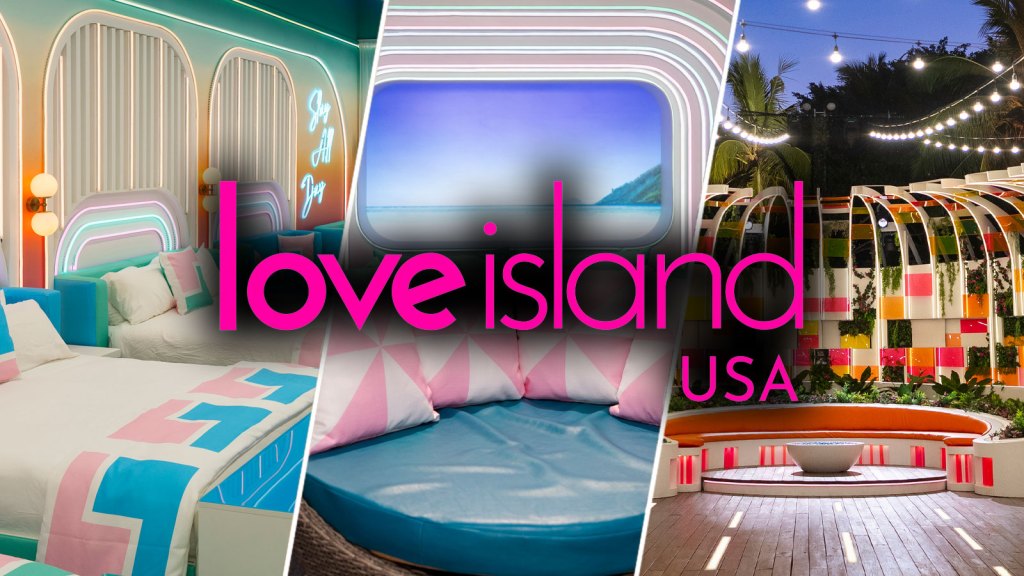
The architectural layout of the Fiji villa is an intentional narrative engine. Zones such as ‘Soul Ties’ and the ‘Speakeasy’ are not merely aesthetic choices; they are functional micro-environments designed to facilitate specific psychological outcomes, from intimate disclosure to public confrontation. The recent visual pivot toward softer palettes and high-contrast neon is specifically calibrated for 4K streaming optimization, ensuring a premium aesthetic that aligns with Peacock’s upscale market positioning.
The ‘Confessional’ remains the primary site of institutionalized transparency. By providing a controlled space for internal monologue, the production team bridges the gap between observational footage and contestant intent, creating the multi-dimensional character arcs necessary for sustained viewer investment.
Interactive Ecosystems and Stakeholder Implications
The pivot toward audience-led narrative shifts, evidenced by the Sincere and Sol fan vote, highlights the transition from passive viewership to interactive content models. For Peacock, these interactions generate high-fidelity first-party data, allowing for real-time adjustments to production priorities. For the contestants, this creates a ‘panopticon’ effect, where they must navigate the internal pressures of villa politics against the external volatility of public perception.
Host Dynamics and Cross-Portfolio Synergy
The appointment of Ariana Madix as host utilizes established cultural capital to bridge disparate reality TV demographics. Her role is institutional rather than purely performative, providing the authoritative structure necessary for high-stakes events like ‘recouplings.’ This talent strategy reflects NBCUniversal’s broader commitment to cross-platform migration, using recognizable assets to anchor expanding content pillars.
Market Positioning and Revenue Scalability
Positioned as a flagship SVOD title, Love Island USA Season 8 utilizes its high-frequency release and premium production values to capture significant market share during the summer slump. The involvement of Motion Entertainment ensures a sophisticated advertising environment, where brand integration is woven into the social fabric of the show, providing a high-ROI platform for global advertisers.
Conclusion: The Optimization of Modern Reality TV
As the series progresses beyond its foundational phase, the operational focus shifts to managing the escalating complexity of contestant dynamics. The responsiveness of the Fiji-based crew to real-time audience data ensures that the product remains agile and competitive. Love Island USA Season 8 stands as a sophisticated example of modern media orchestration, where data-driven scheduling and strategic talent management converge to create a globally scalable content machine.