Strategic Implications of the Top 50 Threshold
The ascent of Alexander Blockx into the ATP Top 50 represents a structural recalibration of his professional trajectory. Beyond the prestige of a new ranking peak, this milestone grants the Belgian institutional advantages that redefine his competitive season: direct entry into Grand Slam main draws and high-revenue ATP 1000/500 events. By bypassing the physical attrition of qualifying rounds, Blockx can now implement precise periodization, focusing on peak performance for the European clay swing rather than survival-based scheduling.
Tactical Deconstruction: The Madrid Masterclass
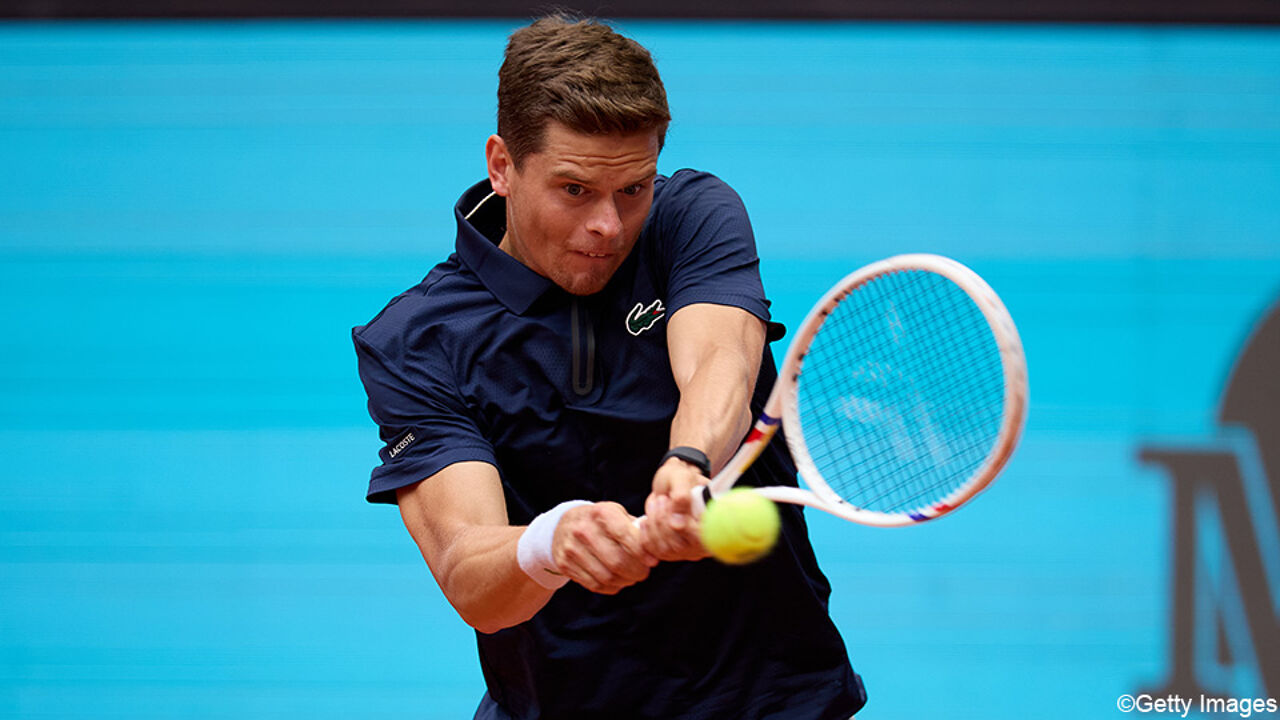
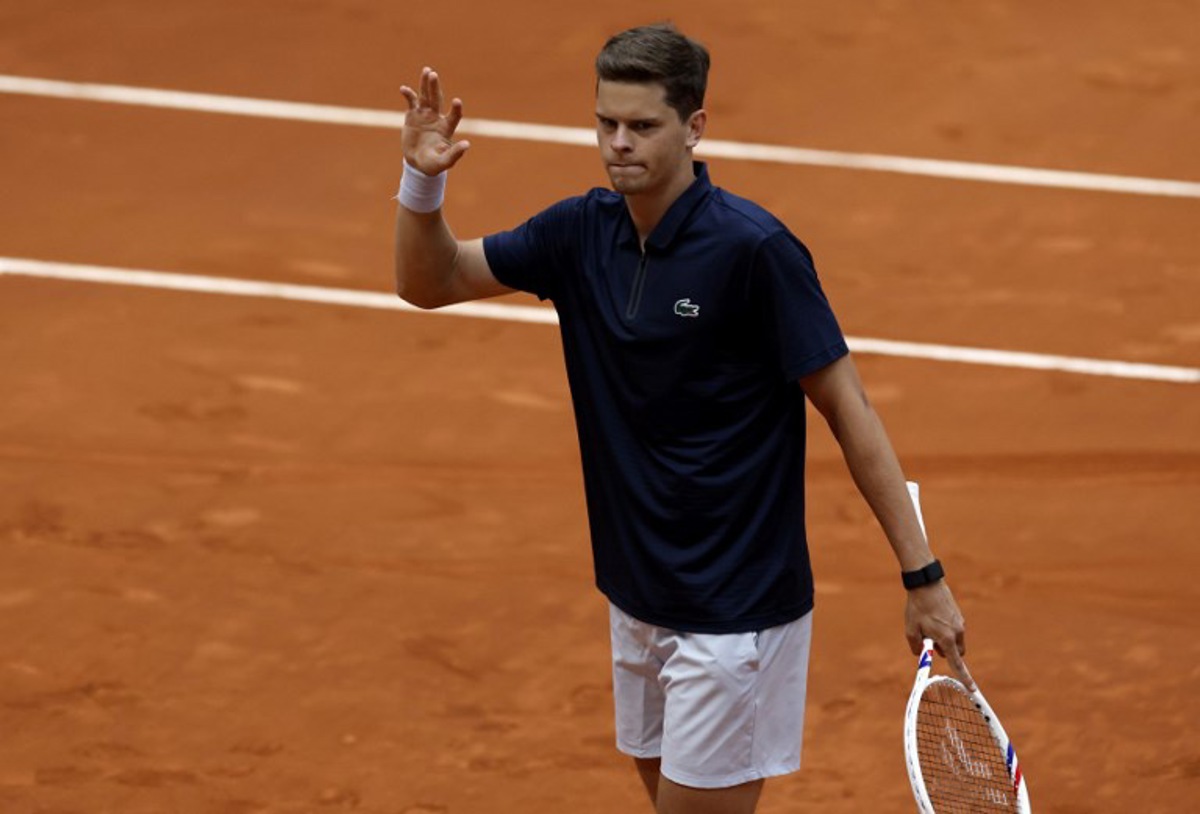
Blockx’s performance in the Spanish capital was defined by tactical maturity and high-leverage point management. His victory over Francisco Cerundolo and subsequent challenge against Casper Ruud—a two-time Roland Garros finalist—underscored a sophisticated ability to exploit technical vulnerabilities. Specifically, Blockx utilized the altitude of Madrid to accelerate his service games, maintaining high first-serve percentages during critical 3-3 and 5-5 junctures to neutralize Ruud’s baseline dominance.
The match geometry shifted when Blockx moved from a reactive defensive stance to a proactive baseline position. By applying depth and pace, he denied Ruud the time necessary to set up his heavy topspin forehand, forcing the Norwegian into unforced errors. This adjustment is indicative of elite-level match intelligence—identifying and capitalizing on an opponent’s physical or equipment-based momentum shifts with clinical efficiency.
Circuit Economics and Institutional Impact
From a macro-economic perspective, the Top 50 threshold triggers sponsorship escalators and enhances commercial valuation. This financial stability allows for the expansion of a dedicated technical support team, essential for maintaining consistency at the Masters 1000 level. For the Belgian tennis ecosystem, Blockx emerges as a high-profile figurehead, potentially stimulating domestic investment and media engagement.
Furthermore, his new status as a ranked player provides draw protection, preventing early-round encounters with top seeds in smaller ATP 250 tournaments. This structural safety net facilitates deeper runs and consistent point accumulation, solidifying his position within the ATP hierarchy and increasing his career earnings potential.
Technical Versatility and Surface Adaptation
Success in Madrid requires a unique blend of power and movement due to the thin air of the Spanish capital. Blockx’s transition from the slower conditions of Monte Carlo to the faster Madrid courts demonstrates a high degree of technical versatility. His reliance on a dominant serve suggests a game built on a foundation that will translate effectively to grass and hard courts, signaling long-term viability across the global circuit.