The Institutional Framework of Olympic Curling
Curling occupies a unique structural position within the Winter Olympic program, characterized by its extended competitive duration. It is categorized by international organizers as a high-volume event, maintaining presence across the entirety of the Games’ schedule.
This administrative continuity distinguishes the sport from other disciplines that operate within isolated windows. The logistical requirements of sustained ice maintenance and round-robin scheduling necessitate rigorous institutional oversight from the onset of the Olympic cycle.
The sport functions as a consistent broadcasting anchor for international media partners due to this regularity. By spanning the full length of the event, it provides a predictable inventory of competitive hours for global audiences.
Technological Standards and Regulatory Evolution
The equipment utilized in modern curling is undergoing a period of significant technical transformation as the Milano Cortina 2026 cycle progresses. Innovations in shoes and brooms are central to this evolution, influencing how athletes interact with the ice surface.
Curling shoes are engineered with dual-purpose soles, featuring a slider for delivery and a gripper for stability and sweeping. These components are subject to strict regulatory oversight to ensure that performance gains remain within the spirit of the competitive framework.
Brooms have also evolved from traditional materials into highly technical tools designed to manipulate ice friction. The international federation maintains standards to ensure that the physical exertion and technical skill of the athlete remain the primary drivers of the stone’s trajectory.
National Performance Benchmarks and Historical Context
The competitive landscape of international curling is historically dominated by a core group of nations including Sweden, Canada, Switzerland, and Scotland. These regions maintain robust institutional pipelines and specialized training infrastructures that support sustained success.
For the United States, the 2018 Winter Olympics in PyeongChang served as a critical turning point in national performance history. The men’s team, led by skip John Shuster, secured the nation’s first-ever gold medal in the sport, altering the domestic perception of the discipline.
This achievement established a new benchmark for high-performance programs within the United States. It demonstrated the efficacy of long-term athlete development and the strategic importance of the skip in managing team dynamics and tactical execution.
The Role of the Skip in Strategic Governance
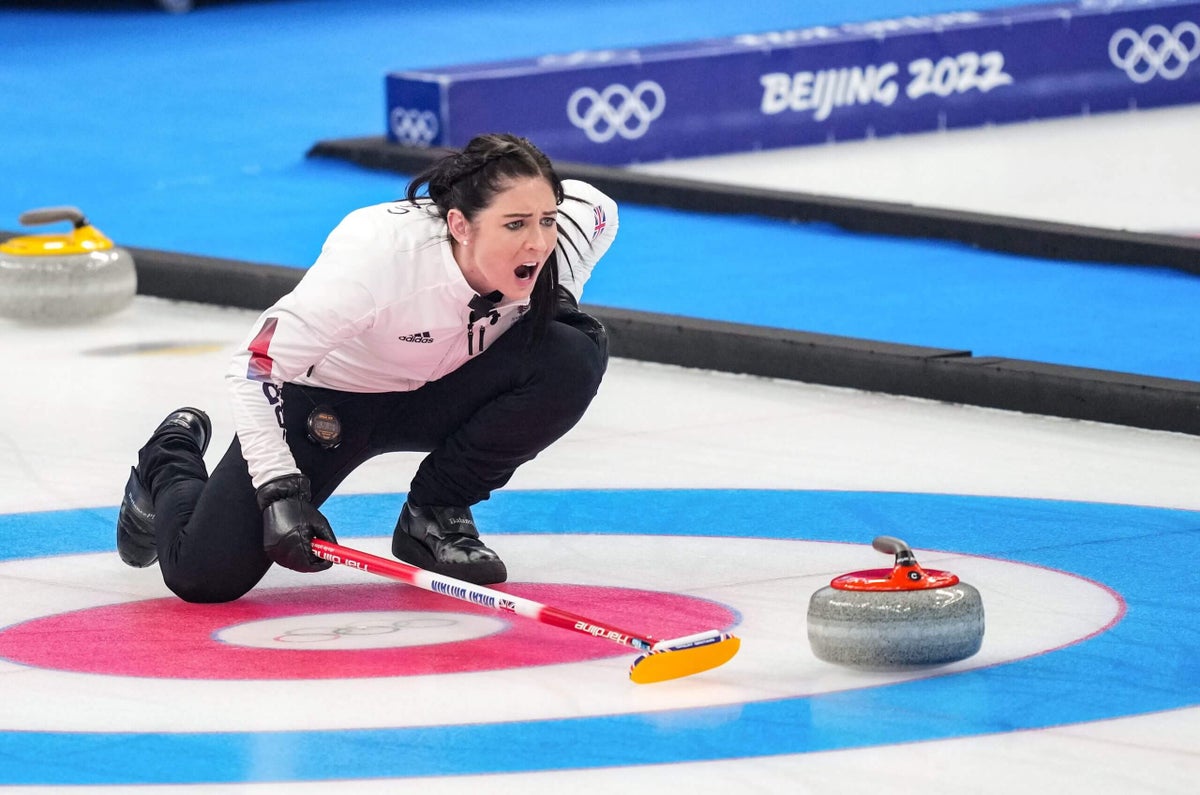
The position of the skip is the most critical administrative and tactical role within a curling four-person team. As the designated leader, the skip is responsible for directing the strategy of each end and overseeing the delivery of stones.
Tactical governance involves calculating the trajectory of the stone and determining the necessary sweeping intervention. This decision-making process is executed under significant time constraints and requires deep understanding of ice conditions.
In the context of the Milano Cortina 2026 preparations, the strategic role of the skip remains a primary focus for teams seeking to disrupt the established dominance of traditional powerhouses. The ability of a skip to adapt to varying technical conditions is often the deciding factor in high-stakes medal rounds.
Scoring Systems and Competitive Structure
The scoring logic of curling is built upon the proximity of stones to a central target known as the house. At the conclusion of an end, only the team with the stone closest to the button receives points for that period.
Points are awarded for every stone that is closer to the center than the opponent’s most accurate delivery. This system creates a cumulative pressure that requires both offensive and defensive maneuvers throughout the game.
The administrative goal of the scoring system is to provide a clear, quantifiable measure of precision and strategy. As the sport moves toward the next Winter Games, maintaining the integrity of this scoring process remains vital for transparency and international competition standards.
Looking Toward Milano Cortina 2026
The upcoming Games in Milano Cortina represent a new phase for the sport as it integrates technological advancements with traditional gameplay. The focus on equipment innovation suggests a heightening of the technical barrier for entry into the elite tiers.
International stakeholders are closely monitoring how these changes will affect the parity between established and emerging nations. The 2026 cycle is expected to further solidify curling’s reputation as a sport of high technical density and administrative complexity.