Institutional Approval of Squad Transitions
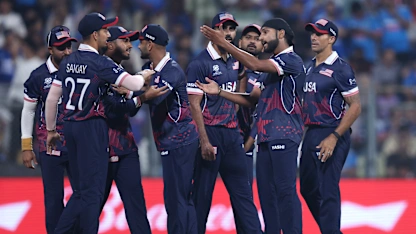
The International Cricket Council (ICC) has formally sanctioned a significant personnel change within the United States national team roster for the Men’s T20 World Cup 2026. This administrative action follows a formal request by USA Cricket after fast bowler Jasdeep Singh was rendered unavailable for selection due to a documented shoulder injury. The approval process was managed through the Event Technical Committee (ETC), which serves as the primary governing body for roster adjustments during global tournaments.
The Event Technical Committee operates under a strict set of regulatory frameworks designed to maintain the competitive integrity of the tournament. According to established ICC protocols, teams are not permitted to alter their final squads after the submission deadline unless a compelling medical or exceptional circumstance is verified. In this instance, the medical evidence provided regarding Singh’s shoulder condition met the institutional criteria required for an emergency replacement.
The Role of the Event Technical Committee
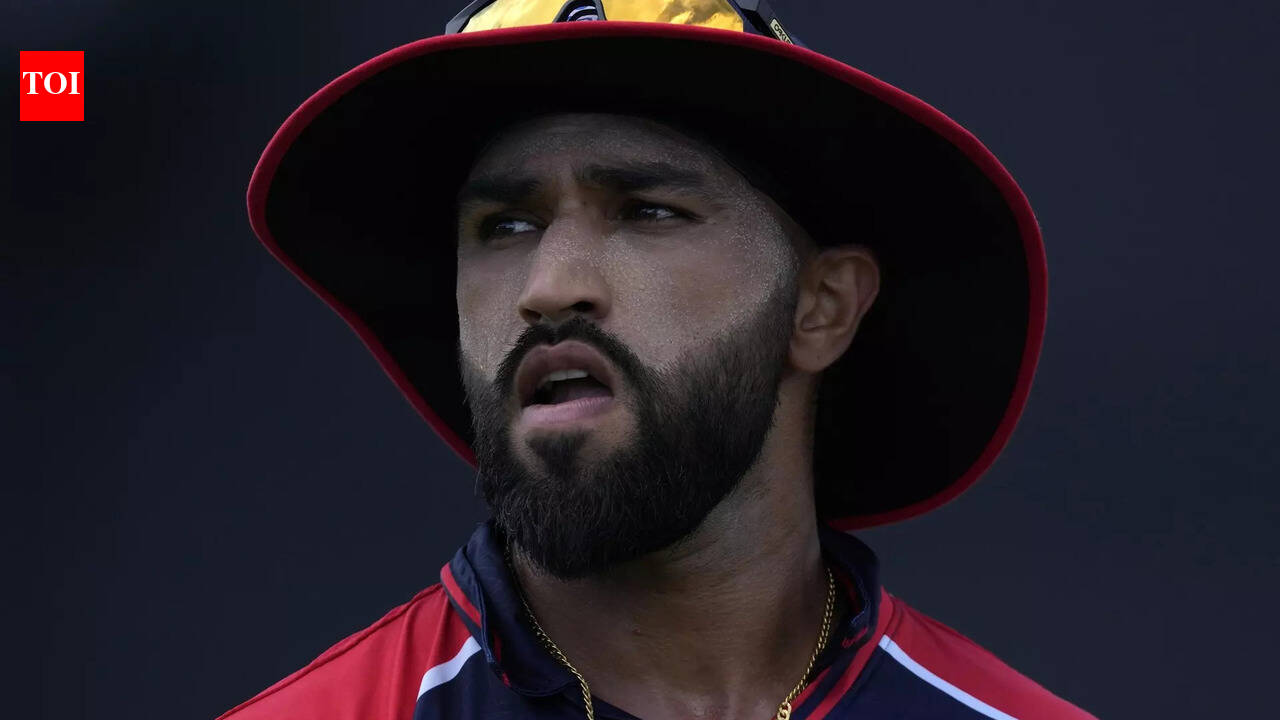
The Event Technical Committee is an administrative entity comprised of representatives from the host organization, the ICC, and independent industry experts. Its function is to review and adjudicate on logistical and technical issues that arise during the course of a World Cup. By approving Ehsan Adil as the designated replacement, the committee has authorized the transition of a player who brings a specific profile of international experience to the squad.
The administrative oversight provided by the ETC ensures that squad depth is managed within a standardized policy environment. This prevents arbitrary roster changes while allowing nations to address genuine injury concerns that could otherwise diminish the quality of play or the health of the remaining athletes. The committee’s decision is final and binding under the tournament’s code of conduct and playing conditions.
The Profile of Ehsan Adil
Ehsan Adil enters the USA squad as a player with a substantial institutional pedigree in international cricket. His previous tenure included multiple appearances in both Test and One Day International (ODI) formats for the Pakistan national team. This background indicates a high level of technical competency and familiarity with the pressures of elite global competitions, which are critical components for a team competing at the World Cup level.
Adil’s transition into the USA squad is a reflection of the broader global mobility of professional cricketers. Under ICC eligibility rules, players who have represented one member nation may, after fulfilling specific residency and wait-period requirements, represent another. This policy framework is designed to facilitate the growth of the sport in emerging markets by allowing experienced professionals to contribute their skills and knowledge to developing programs.
Strategic Depth and Tactical Continuity
The replacement of Jasdeep Singh with Ehsan Adil maintains the structural balance of the USA’s bowling department. In high-stakes T20 cricket, the presence of specialized fast bowlers is a strategic necessity for managing various phases of the game, particularly the powerplay and the final overs. The loss of Singh necessitated a replacement who could immediately integrate into the team’s tactical systems without a protracted adaptation period.
From an institutional perspective, the inclusion of a player with Adil’s experience serves to stabilize the squad’s leadership dynamics. The transition from Pakistan’s domestic and international system to the USA’s emerging professional framework highlights the interconnected nature of the global cricket economy. This movement of talent is a documented phenomenon that contributes to the increasing competitiveness of Associate member nations in major ICC events.
Structural Implications for USA Cricket
The ability of the USA to call upon a player of Adil’s caliber is indicative of the administrative progress made by the national governing body. Building a roster capable of competing in a T20 World Cup involves long-term strategic planning, talent identification, and the successful navigation of ICC eligibility protocols. The replacement process itself demonstrates the organization’s adherence to global administrative standards during a period of high international visibility.
As the USA continues to establish its presence in the upper echelons of international cricket, the management of its player pool becomes a critical operational task. The integration of experienced internationals alongside homegrown talent is a recognized strategy for accelerating development. This approach aims to enhance the team’s performance metrics and its standing within the ICC rankings, which directly impacts future funding and tournament qualification pathways.
Regulatory Context of Player Injuries
The injury to Jasdeep Singh underscores the physical demands placed on modern professional cricketers and the administrative burden it creates for national associations. Shoulder injuries are particularly impactful for fast bowlers, affecting both their delivery mechanics and their fielding capabilities. The necessity of a formal replacement highlight the risks inherent in tournament preparation and the importance of having a deep reserve of qualified players.
Within the context of the 2026 T20 World Cup, this squad change is a procedural matter that ensures the USA remains at full strength according to the tournament’s regulations. It reflects the ongoing commitment of the ICC to provide a stable and well-governed environment for its flagship events. The focus now shifts to the operational integration of Ehsan Adil as the team prepares for its upcoming fixtures on the world stage.