The Progression of the Rivian R2 Development Cycle
The automotive industry is currently observing a significant milestone for Rivian as the R2 SUV prototype enters its final validation testing phase. This transition represents a critical juncture in the vehicle’s lifecycle, moving from internal laboratory and closed-track development into the rigors of real-world operational environments.
As a 2026 model, the R2 reflects the institutional maturity of a company founded in 2009 by RJ Scaringe. The current stage of development is characterized by high-intensity assessments designed to ensure that the vehicle meets all structural and performance benchmarks before reaching consumers.
Institutional Significance of Validation Testing
Validation testing is an administrative and engineering requirement that serves as the final gatekeeping process in modern automotive manufacturing. This phase involves a comprehensive review of the vehicle’s software systems, hardware durability, and integrated safety features under diverse conditions.
For an electric vehicle manufacturer, validation is particularly focused on the thermal management of battery systems and the reliability of electric powertrains. The goal is to verify that the theoretical performance observed during the design phase translates into consistent performance during daily usage.
Observed Physical and Technical Characteristics
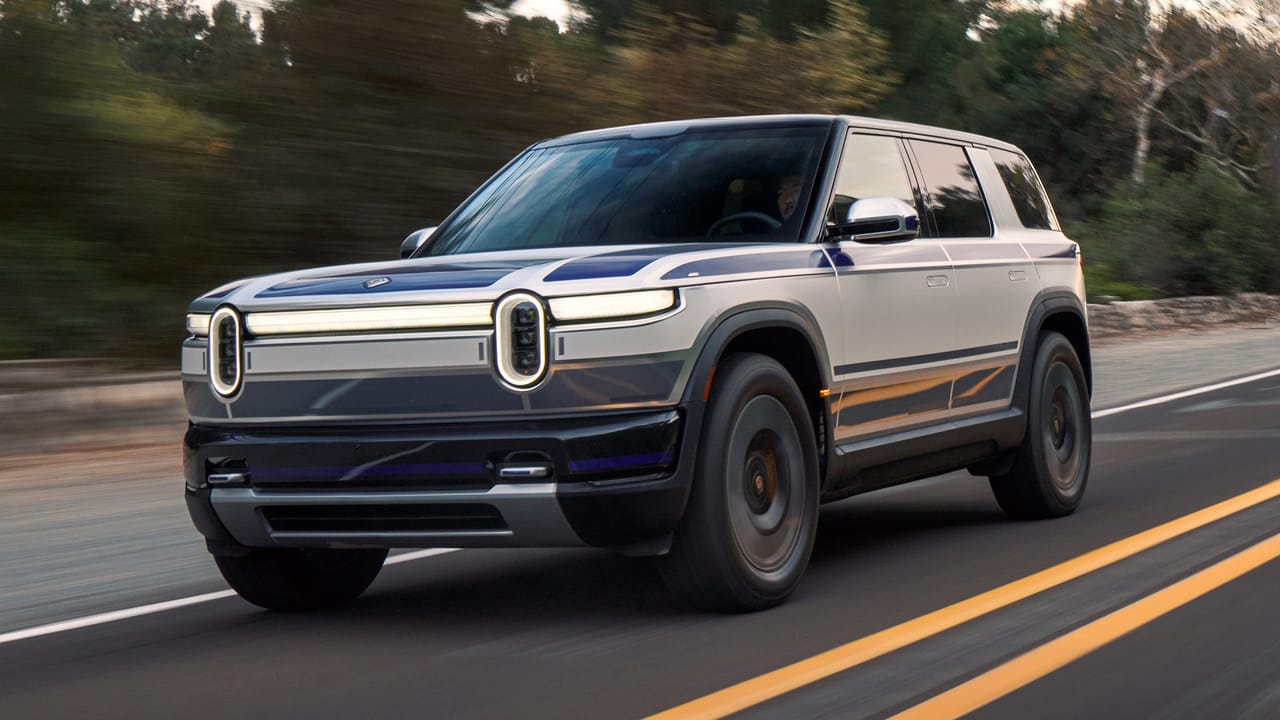
Recent sightings of the R2 prototype on public streets indicate a shift in the manufacturer’s testing protocol. The vehicle has been spotted without traditional heavy camouflage, though it retains a functional wrap to obscure specific aesthetic finishes while allowing for aerodynamic and sensor verification.
Early reviews of the prototype describe the vehicle as a chunky electric SUV that exhibits an unexpectedly strong handling game. This suggests that the engineering team has focused heavily on the suspension geometry and weight distribution inherent to the electric platform.
Interior and Exterior Documentation
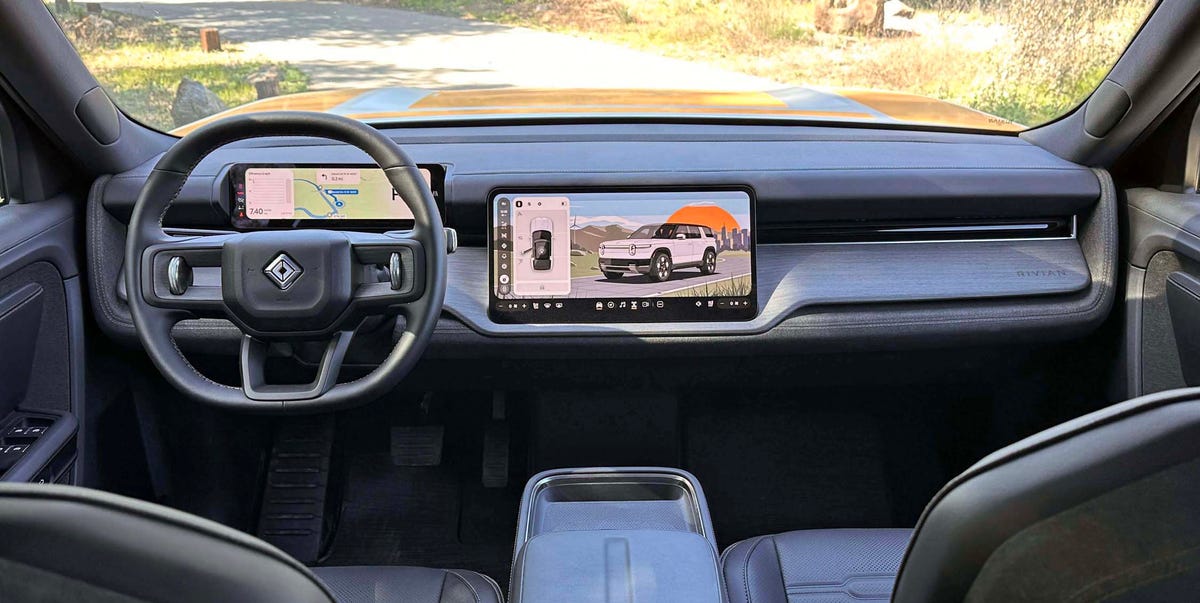
The documentation of the R2 prototype includes extensive interior and exterior photography, providing a clear view of the design direction for the 2026 model year. These visual records highlight the integration of minimalist design principles with functional utility, a core tenet of the Rivian brand identity.
The availability of these detailed views serves an important role in transparency for stakeholders and potential consumers. By allowing early visual access to the prototype’s layout, the manufacturer facilitates a clearer understanding of the vehicle’s spatial dimensions and user interface configuration.
The Role of RJ Scaringe and Corporate Strategy
Since its founding in 2009, Rivian has operated under a strategy of long-term infrastructure development and platform scalability. The R2 represents the next iteration of this strategy, aiming to expand the company’s reach beyond its initial product offerings.
The leadership under RJ Scaringe has emphasized the importance of vertical integration and proprietary technology. The R2 is the latest manifestation of this approach, incorporating lessons learned from previous vehicle generations to optimize production and operational efficiency.
Market Context and Release Timeline
The manufacturer has indicated a planned release window in the first half of the current year, positioning the R2 as a pivotal entry in the 2026 model year lineup. This timeline suggests that the current validation testing is occurring on a compressed schedule to meet pre-established market entry targets.
The timing of these sightings and the release of prototype reviews are standard components of the pre-launch communications cycle. This phase is designed to build institutional confidence in the vehicle’s readiness while providing the market with verified data points regarding performance and design.
Handling Dynamics and Engineering Outcomes
The observation that the R2 possesses a strong handling game points to the structural integrity of the vehicle’s chassis. In the context of a chunky SUV, achieving high marks in handling requires sophisticated tuning of electronic stability controls and mechanical damping systems.
These engineering outcomes are a primary focus of the final validation phase. Engineers utilize this time to calibrate steering response and regenerative braking systems to ensure a cohesive driving experience that meets the brand’s established performance standards.
Structural and Media Synthesis
The emergence of the R2 prototype into the public sphere is more than a simple product update; it is a demonstration of the company’s ability to navigate the complex transition from a startup to a multi-model manufacturer. The transparency regarding the testing phase allows for an objective assessment of the brand’s progress.
It is important to note that observations made during validation testing do not constitute final specifications. Instead, they represent the current state of a dynamic development process that continues until the first production units exit the assembly line.
Regulatory and Administrative Frameworks
The process of validation testing also ensures that the vehicle complies with various international regulatory frameworks regarding safety and environmental impact. This involves rigorous testing of airbag deployment, structural crashworthiness, and electromagnetic compatibility.
By conducting these tests in the public eye, the manufacturer reinforces a commitment to quality and safety standards. The data gathered during this period is essential for obtaining the final certifications required for legal sale and operation in multiple jurisdictions.
Conclusion of the Prototyping Phase
As the R2 nears the end of its final validation, the focus will shift from engineering refinement to production logistics and supply chain management. The lessons learned from the prototype phase are currently being integrated into the manufacturing workflow to ensure consistency across high-volume output.
The progression of the 2026 Rivian R2 from a concept to a street-tested prototype remains a key development for the automotive sector. This phase underscores the importance of rigorous testing in maintaining the integrity of the electric vehicle market and the reputation of its leading participants.