Ferrari Luce: Strategic Design Revelation and Managed Electrification
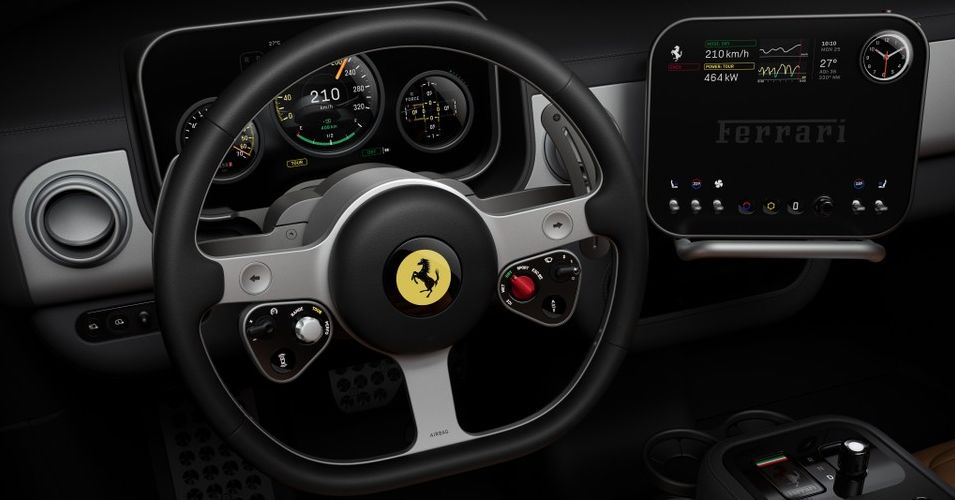
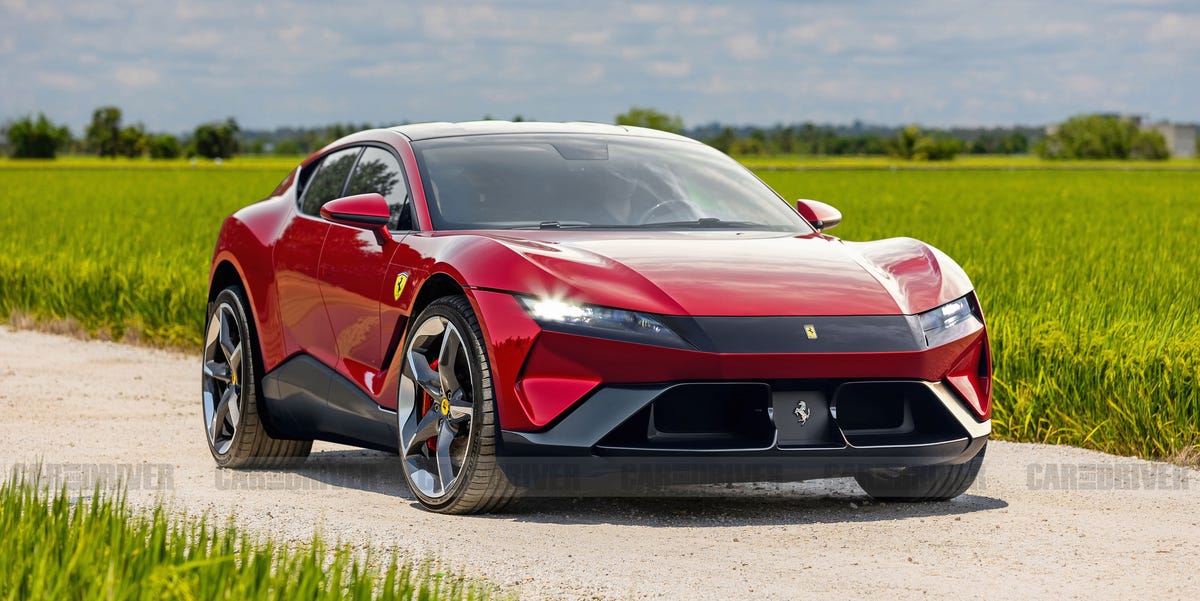
The Italian automaker Ferrari has unveiled key details regarding its inaugural all-electric vehicle, confirming the designation ‘Luce,’ rather than the previously speculated ‘Elettrica.’ This announcement centers on the interior architecture and material strategy of the vehicle, providing critical insight into Ferrari’s positioning within the high-performance electric market.
This reveal holds particular significance because it emerges despite the company’s acknowledged decision to dramatically scale back its broader electric vehicle plans toward the end of 2025. The presentation of the Luce, therefore, serves as a high-stakes moment for the brand, prioritizing design impact and reputational integrity over the rapid volume expansion seen across much of the automotive sector.
The Convergence of Industrial Design and Automotive Luxury
The interior structure of the Luce is characterized by a deliberate aesthetic departure, defined by an extensive integration of glass and aluminum elements. This material philosophy suggests a fusion of classic automotive luxury with the minimalist, high-tech purity often associated with influential 21st-century industrial design principles.
Ferrari confirmed a crucial collaboration that brought this new aesthetic language to fruition, leveraging the expertise of two of the most influential designers of the current era. This partnership underscores an institutional recognition that entering the electric segment demands innovation not merely in powertrain technology, but equally in user interface and material perception.
The emphasis on glass and aluminum signals a strategic shift away from certain traditional luxury materials that might carry associations of internal combustion technology. Instead, the design leans into materials that convey precision, structural honesty, and lightweight performance, aligning the vehicle’s visual language with expectations for contemporary high-end electronics and architecture.
Defining the Gran Turismo Segment: Configuration and Strategy
Structurally, the Luce will feature a four-seat configuration, utilizing slim, leather-covered bucket seats. This setup immediately places the vehicle within the Gran Turismo (GT) segment of Ferrari’s portfolio, appealing to clients seeking performance combined with enhanced utility and longer-range comfort.
This strategic choice is highly calculated, as a four-seater allows Ferrari to introduce the complexities of a heavy battery-electric powertrain in a vehicle class where high-speed track performance might be secondary to usable range and interior luxury. GT vehicles traditionally handle the integration of technological advancements that later migrate to core sports models.
The decision to employ four seats manages the institutional risk associated with the EV transition, ensuring that the first fully electric model provides sufficient differentiation from the brand’s established two-seat, mid-engine supercar heritage. This segmentation protects the reputational purity of the most performance-focused internal combustion engine and hybrid offerings while addressing regulatory compliance demands.
The Strategic Imperative of Controlling Electrification Velocity
The context of Ferrari dramatically scaling back its initial comprehensive EV plans at the end of 2025 provides the essential analytical framework for understanding the Luce reveal. This scale-back is not a retreat from electrification but rather a recalibration of investment and market entry velocity.
Automakers operating in the ultra-high-luxury segment face unique challenges in transitioning to electric power, particularly regarding the preservation of brand intangible assets such as engine sound and sensory feedback. Scaling back initial EV volume targets allows Ferrari crucial time to develop proprietary electric drivetrains that meet the exacting standards of performance and auditory character demanded by their clientele.
This measured approach minimizes the financial exposure inherent in developing multiple, parallel EV platforms simultaneously, a typical strategy for mass-market manufacturers. By focusing resources on a single, highly stylized vehicle like the Luce, the company can maximize perceived quality and exclusivity, mitigating the risk of diluting brand value through prematurely rushed or compromise-laden models.
Institutional Implications of Design and Material Choice
The heavy reliance on glass and structural aluminum in the Luce’s design has significant implications for both production and institutional governance. High-performance material integration requires complex manufacturing processes and stringent quality control, especially concerning thermal management and structural integrity in a high-speed context.
From a regulatory standpoint, the incorporation of extensive glass surfaces and unique structural aluminum alloys necessitates meeting advanced crash safety standards, which can be challenging for non-traditional materials in electric vehicles due to the centralized mass and weight of the battery pack. Ferrari must navigate global homologation processes that demand proof of concept for every unique material and construction method.
Furthermore, the maintenance and repair protocols for such a technologically dense and material-specific vehicle introduce new structural demands on the dealer network and certified maintenance facilities. This requires substantial institutional investment in training specialized technicians capable of handling advanced material bonding and integrated electronics repair.
Media Context and Reputational Management
The release of highly controlled, targeted information—specifically focusing on the interior design—is a characteristic strategy in high-end automotive reputational management. By presenting the Luce as a singular, artistic collaboration focused on material refinement, Ferrari shifts the media narrative away from immediate performance specifications or comparisons regarding battery density and charging times.
This controlled informational release leverages the power of design influence to generate excitement, treating the vehicle as a piece of mobile industrial art. The focus on the two influential designers validates the price premium and exclusivity, framing the product not just as a vehicle, but as a cultural statement about the future of luxury mobility.
The announcement establishes that, even when operating within the structural constraints of mandatory electrification, Ferrari continues to dictate the terms of its market engagement. The Luce is positioned not as a response to regulatory pressure or competitor activity, but as an assertion of proprietary design leadership, thereby maintaining institutional authority within the high-performance sector.
Analytical Synthesis: Strategy, Brand, and Technology Integration
In summary, the reveal of the Ferrari Luce interior, characterized by its four-seat configuration and sophisticated glass-and-aluminum aesthetic, represents a meticulously calibrated strategic maneuver. It affirms the brand’s commitment to electrification while managing the inherent risks associated with rapid technological transition.
The confluence of scaling back general EV plans and simultaneously presenting this specific, highly stylized model underscores a governance model focused on maintaining scarcity and design excellence over volume production. This approach safeguards the critical brand equity that defines Ferrari in the global luxury market, ensuring that the shift to electric power is perceived as an evolutionary step in design, rather than a disruptive compromise in performance or heritage.