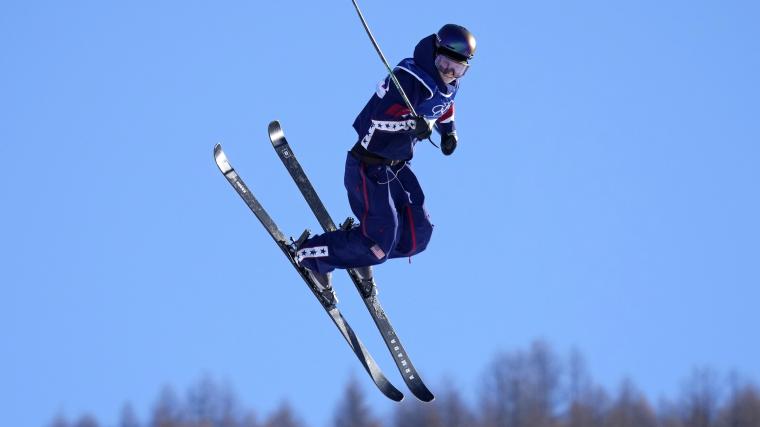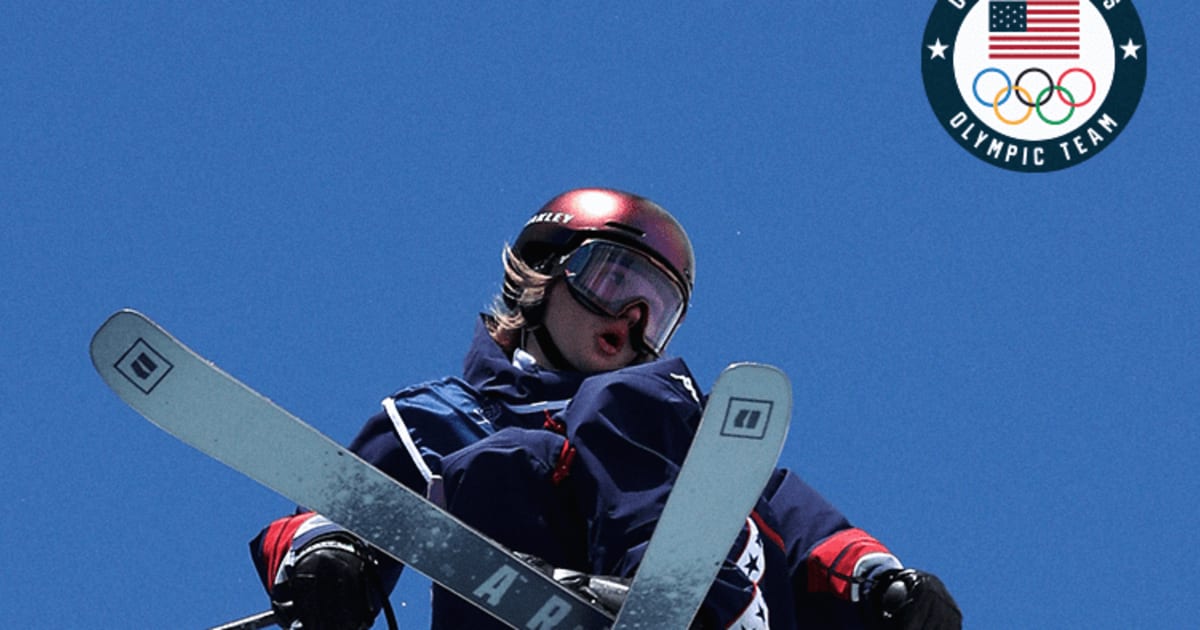
Avery Krumme’s Strategic Nationality Switch Highlights International Sports Governance
Avery Krumme, a 17-year-old specialist in women’s freeski slopestyle and big air, has formally switched her national representation from Canada to the United States in 2024. This significant administrative decision comes ahead of upcoming Olympic slopestyle skiing competitions, signaling her intent to compete under the American flag on the international stage.
Her father, Ray Krumme, has provided support throughout her development and this notable transition. Such changes in national allegiance are governed by a complex set of regulations established by international sports bodies and national federations, reflecting the structured environment of elite athletic pursuit.
The Administrative Framework Governing Athlete Transfers
The process by which an athlete changes national representation is meticulously regulated by international sports federations, often in conjunction with the International Olympic Committee (IOC). These regulations are designed to ensure fairness, prevent rapid ‘flag hopping,’ and maintain the integrity of national team compositions.
Typically, an athlete must meet specific criteria, which can include a residency period in the new country and a mandated waiting period during which they cannot compete for their former nation. Approvals are required from both the National Olympic Committees (NOCs) of the old and new countries, as well as the relevant International Federation (IF) governing the specific sport.
For freeskiing, a discipline under the International Ski and Snowboard Federation (FIS), Krumme’s transition would have necessitated adherence to FIS eligibility rules. These rules dictate the administrative steps and timelines required for an athlete to become eligible to represent a new national federation, such as U.S. Ski & Snowboard, thereby enabling competition under its banner in international events, including Olympic qualifiers.
Olympic Ambitions and National Sports Systems
The timing of Avery Krumme’s nationality switch, specifically noted as occurring ‘before Olympic slopestyle skiing,’ underscores the ambition to participate in the highest levels of international competition. Achieving Olympic qualification is a pinnacle for athletes, requiring sustained high performance and adherence to specific selection criteria set by national federations in alignment with IOC guidelines.
National sports organizations, such as U.S. Ski & Snowboard or Freestyle Canada, play a critical role in athlete development and selection processes. These bodies establish pathways that guide athletes from junior categories through to elite competition, providing coaching, training facilities, and often financial support.
An athlete’s decision to switch national allegiance can often stem from a strategic evaluation of these national programs. Factors such as the competitive depth within a national team, access to specialized coaching, funding opportunities, and specific qualification pathways for major events like the Winter Olympics can influence such a choice, aiming to optimize an athlete’s potential for success.
The Critical Role of Family Support in Elite Sports
The journey of an elite athlete, particularly in individually focused and resource-intensive sports like freeskiing, is profoundly shaped by family support. The mention of Ray Krumme’s support for Avery highlights the foundational role that family plays in navigating the complex demands of high-performance athletics.
This support extends beyond emotional encouragement to include substantial financial investment in training, equipment, travel, and coaching. Logistical coordination, such as managing demanding competition schedules and training camps, often falls to family members.
Such consistent and multifaceted backing is often indispensable during the developmental years of an athlete’s career, enabling them to pursue their athletic aspirations without the full burden of professional self-sufficiency. It underpins the infrastructure of amateur and emerging professional sports, making athlete progress possible.
Broader Context: The Sports Economic Landscape and Media Engagement
Avery Krumme’s developing career exists within a wider ecosystem of professional sports, which includes both athletic competition and commercial considerations. While specific financial details for Krumme are not provided, the broader sports context sometimes features discussions of athlete earnings.
Reports, such as those detailing Forbes’ 2025 list of highest-paid female athletes, illustrate the significant financial disparities that can exist in elite sports. For instance, tennis star Coco Gauff was noted as topping this list, earning an estimated [truncated], indicative of the substantial endorsement and prize money opportunities available to established stars in global sports.
This financial landscape contrasts with the often more modest funding available to developing athletes and those in niche sports, where reliance on national federation support, limited sponsorships, and family contributions is common. Media entities like The Athletic play a vital role in narrating these athlete journeys, offering comprehensive coverage of events such as the 2026 Winter Olympics, which they are noted to be covering live.
The media’s focus on rising talents and significant athletic transitions, like Krumme’s, helps to build athlete profiles and connect their stories to a broader audience. This coverage is crucial for generating public interest and potentially attracting commercial partnerships as athletes progress in their careers towards major international competitions.
Strategic Implications for Athlete Development and National Programs
Avery Krumme’s decision to switch national affiliation is a clear illustration of an athlete exercising agency within the globalized framework of competitive sports. This move is not merely a change of flag; it represents a strategic realignment aimed at optimizing her development and competitive trajectory.
For national sports programs, such athlete transfers highlight the ongoing competition for talent and the importance of establishing robust support systems that attract and retain high-potential athletes. It underscores the dynamic nature of international representation, where athletes, in consultation with their support networks, make choices that best serve their long-term athletic goals.
The disciplines of freeski slopestyle and big air demand not only exceptional physical prowess but also creativity and a strong competitive mindset. An athlete’s choice of national representation can be influenced by perceptions of where these attributes can be best nurtured and showcased on the global stage, particularly with major events like the Winter Olympics on the horizon.
Conclusion: Navigating the Global Sports Arena
The administrative shift undertaken by Avery Krumme, moving from Canadian to American representation in freeski slopestyle and big air, exemplifies the complex interplay between individual athletic ambition, institutional sports governance, and national strategic planning. At 17, her decision reflects a proactive approach to her career development, positioned within the frameworks of Olympic eligibility and national team structures.
This transition, supported by her father, Ray Krumme, highlights the personal and administrative investment required for elite athletic pursuit. As The Athletic prepares for its live coverage of the 2026 Winter Olympics, Krumme’s journey underscores the evolving narratives and strategic considerations that define the path of aspiring Olympians in the contemporary global sports arena.