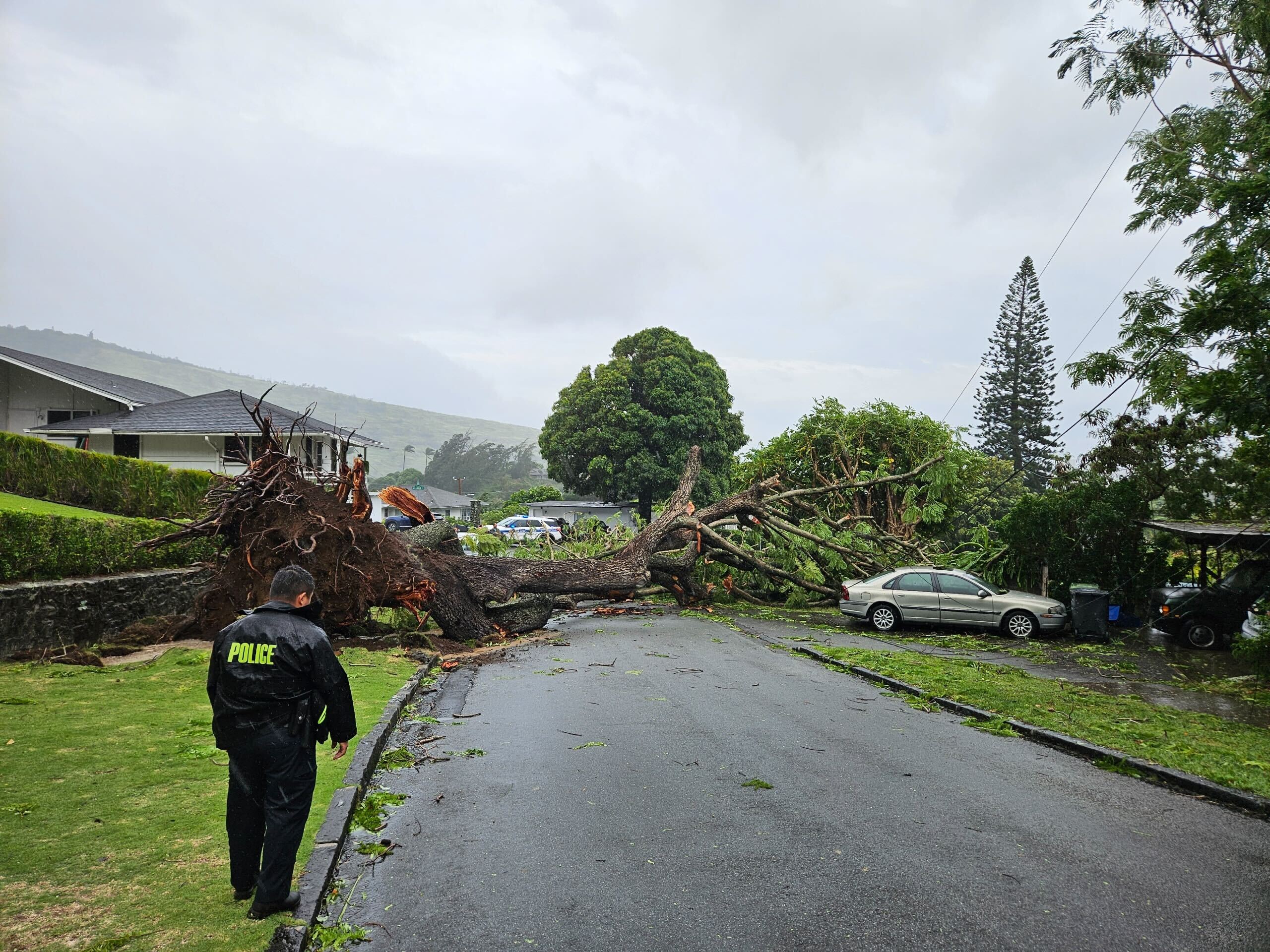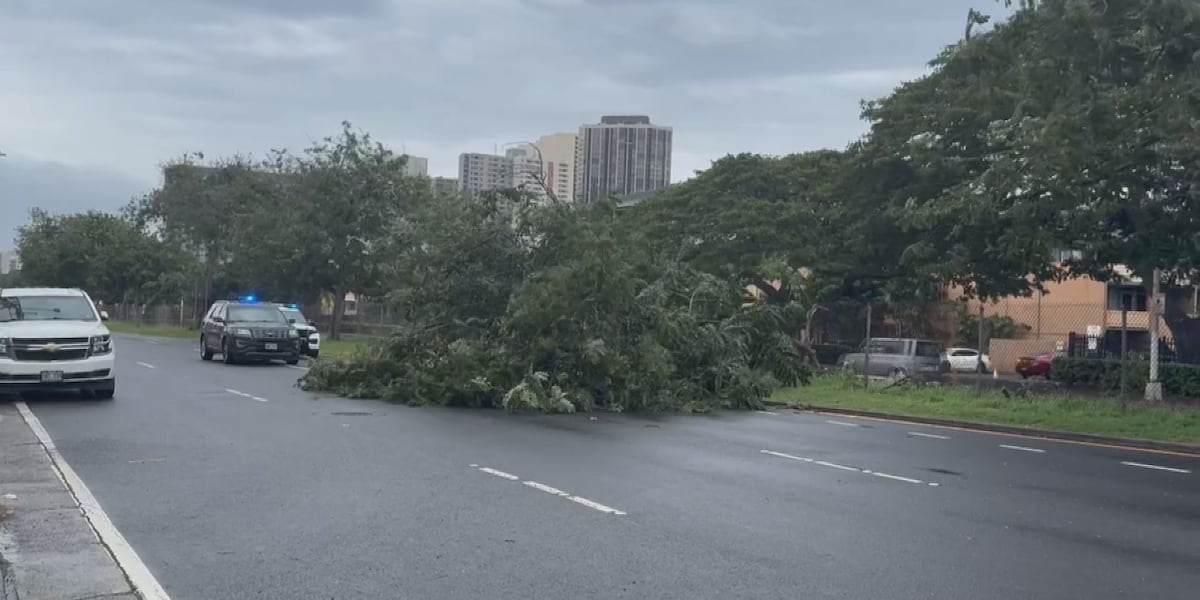
Severe weather conditions, characterized by powerful winds, have led to significant disruptions across the Hawaiian archipelago, underscoring the inherent vulnerabilities of island infrastructure to natural phenomena. Reports from Sunday indicated widespread impacts, including downed trees and power outages affecting thousands of residents, necessitating a comprehensive, coordinated response effort across multiple jurisdictions.
The immediate aftermath of the initial storm phase saw the deployment of state, county, and utility crews to address these incidents. This multi-agency mobilization is a direct outcome of established emergency management frameworks, which dictate the structured coordination of governmental and private sector entities during periods of crisis.
These frameworks typically define roles for hazard assessment, damage evaluation, resource allocation, and the phased restoration of critical services, with an initial emphasis on public safety and the stabilization of affected areas. Utility providers, in particular, activate predefined protocols for assessing grid damage, deploying repair teams, and prioritizing restoration efforts based on factors such as public health facilities, critical infrastructure, and population density.
In anticipation of the severe weather’s continuation, with more powerful winds expected overnight and into Monday, Governor Josh Green issued a public advisory, urging residents to prepare for the approaching conditions. Such executive directives are integral to public information campaigns during emergencies, serving to disseminate critical safety instructions, encourage self-sufficiency among the populace, and reinforce the importance of heeding official guidance. The Governor’s announcements are typically channeled through established communication networks, including press conferences and official statements, to ensure broad public awareness.
Concurrently, the Governor announced a series of statewide closures effective Monday, February 9, 2026. This exercise of executive authority is a fundamental component of proactive hazard mitigation, designed to achieve several objectives.
By restricting non-essential movement and closing public facilities, authorities aim to minimize civilian exposure to ongoing dangers such as falling debris or live power lines. It also serves to reduce demand on emergency services, clearing roadways for essential personnel and equipment, and preventing incidents that could divert resources from primary response and recovery operations.
Such measures reflect a strategic decision to prioritize public safety and facilitate a more efficient and less obstructed environment for emergency response teams.
The sustained high winds reported across the islands highlight particular structural and operational challenges inherent to an island state like Hawaii. Geographic isolation fundamentally influences logistical planning for disaster response and recovery, potentially limiting immediate access to specialized equipment or personnel from external sources should local capacities be strained. The very nature of an archipelago, with its distributed populations and potentially long inter-island transit times, further complicates the rapid deployment of resources and the uniform application of recovery efforts.
Infrastructure resilience, particularly concerning power distribution and communication networks, becomes a paramount concern in such geographical contexts. Overhead power lines, vulnerable to high winds and falling vegetation, can lead to widespread outages, disrupting daily life and essential services. The ability of utilities to quickly assess damage, mobilize crews, and undertake repairs is therefore heavily dependent on robust internal contingency plans, adequate staffing, and pre-positioned resources.
Effective communication channels between utility providers, emergency management agencies, and the public are also vital for managing expectations and providing timely updates during prolonged service disruptions. Furthermore, the economic implications of statewide closures, even for a limited duration, can be significant. While not explicitly detailed in the reports, such measures inherently impact local commerce, tourism, and the daily routines of residents.
The decision to implement widespread closures therefore involves a complex weighing of public safety imperatives against potential socio-economic disruptions. This balance reflects a broader institutional strategy to protect life and property while simultaneously aiming to minimize the long-term adverse effects on the regional economy. The preparedness and response mechanisms observed in Hawaii exemplify a comprehensive approach to managing natural hazards, integrating executive leadership, inter-agency cooperation, public communication, and critical infrastructure maintenance within a geographically unique operational environment.