The Structural Evolution of Punk Rock: A Case Study in Longevity
The institutionalization of musical genres presents a significant structural challenge for acts defined by countercultural origins. For artists whose careers span decades, particularly those associated with movements like punk rock, the transition from anti-establishment grassroots movements to established, commercially viable entities requires complex navigation of market dynamics and audience expectations.
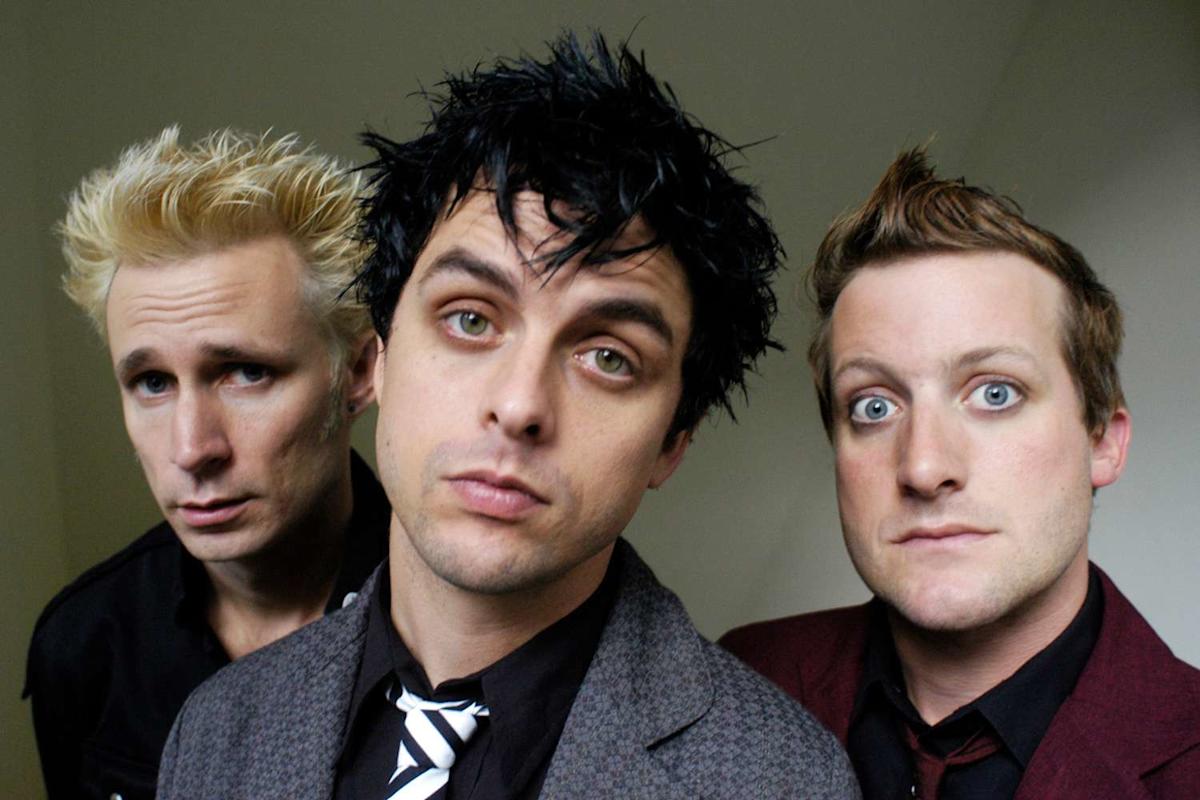
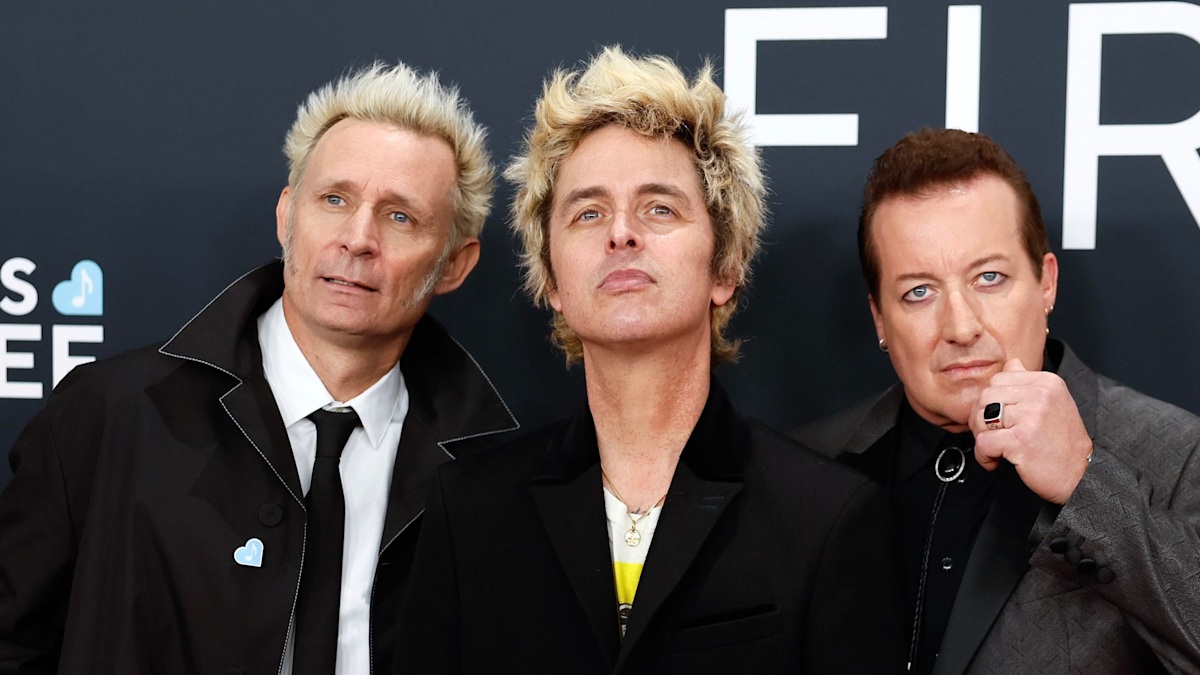
A notable example of this long-term cultural continuity is a band celebrating nearly four decades of operation. This longevity suggests a successful adaptation to a rapidly changing media environment, a process that inherently transforms both the art form and the industry structures surrounding it.
The Paradox of Countercultural Longevity
Punk rock, in its initial formulation, was defined by a rejection of institutional norms and commercialism. Its ethos emphasized ephemerality, independence, and a DIY (Do-It-Yourself) approach to production and distribution. However, the sustained success of acts associated with this genre creates a paradox: how does an act maintain relevance and identity while operating within the very institutional structures it once sought to dismantle?
The shift from localized scenes and independent labels to major label contracts and global distribution represents a fundamental structural change. This transition requires a reevaluation of the band’s relationship with its audience and its artistic mission. For a band to sustain a career for forty years, it must evolve from a disruptive force into a legacy institution, facing pressures to balance artistic integrity with commercial viability.
Navigating Industry Structural Shifts over Four Decades
A career spanning forty years necessarily involves surviving multiple industry paradigm shifts. The music industry has transitioned from physical media (vinyl and CDs) to digital downloads and, eventually, streaming platforms. Each shift introduces new economic models, new methods of audience engagement, and new challenges related to intellectual property rights and revenue distribution.
For established acts, adapting to these changes involves more than simply adopting new technologies. It necessitates navigating complex contractual agreements, evolving royalty structures, and re-establishing relevance in a marketplace driven by new trends and artists. The ability to maintain sustained relevance through these changes highlights a strategic adaptability essential for long-term survival in the cultural marketplace.
The Role of Cultural Products in Public Discourse
The creation of cultural products, such as specific musical compositions, can play a significant role in public discourse. A song or album title, when it gains widespread recognition, often transcends its artistic origins to become part of the political lexicon. When a piece of work like “American Idiot” enters popular consciousness, it assumes a function beyond entertainment, acting as a potential catalyst for discussion or critique of broader societal issues.
The long-term impact of such cultural commentary, whether intentional or not, positions the artist within a broader conversation on institutional accountability and political trends. This engagement with public discourse, often facilitated by mass media, can solidify a band’s place in cultural history beyond its musical contributions alone.
Legacy Management and Institutionalization
As acts mature, their focus shifts from initial artistic output to legacy management. This involves curating a public image, managing intellectual property rights, and structuring future activities (such as tours and re-releases) to maximize long-term value. For bands with families, the personal and professional elements of their lives become intertwined within the framework of a business entity that represents decades of work.
The transition from a youthful, rebellious act to an institutionalized legacy involves complex considerations related to brand integrity and organizational structure. Maintaining artistic continuity while also adapting to personal and professional life changes is a critical challenge for long-standing cultural entities. This process of institutionalization defines how a countercultural act evolves into a lasting figure within the broader entertainment industry.