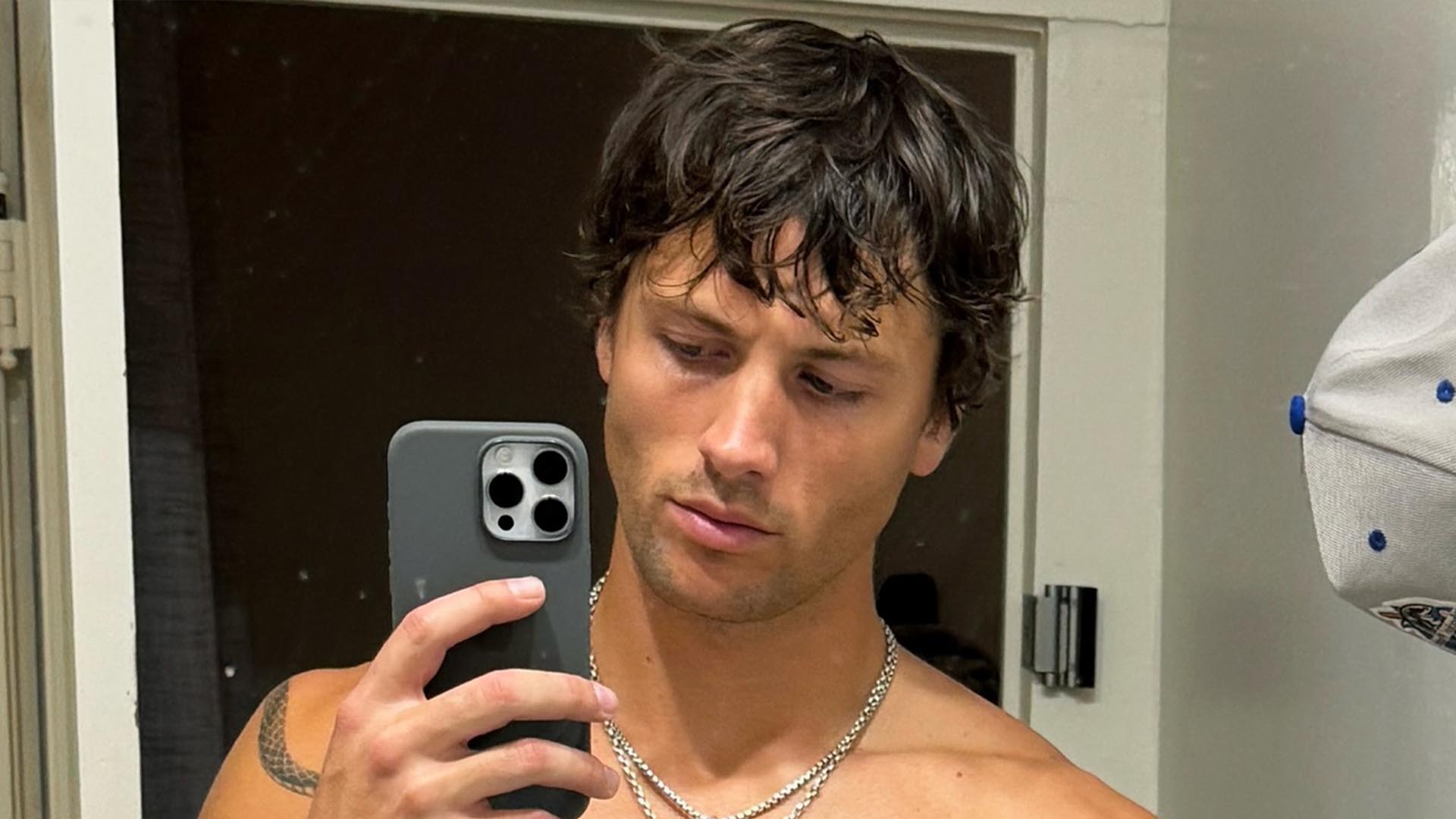
The Strategic Pivot: Managing Personal Brand Equity in Reality Television
Reality television personality Rob Rausch’s recent confirmation of his romantic relationship serves as a case study in the strategic management of personal brand equity within a highly speculative media environment. Rausch, known for his appearances on *Love Island USA* and *The Traitors*, chose to reveal his relationship status via a controlled interview with The Cut. This move preempted ongoing speculation from digital gossip platforms and underscored the complex operational challenges faced by public figures in navigating the tension between commercial value and personal privacy.
The Economics of Parasocial Relationships and Audience Investment
The core economic engine of reality television relies heavily on audience emotional investment, often referred to as parasocial interaction. Rausch’s on-screen persona, particularly his involvement in a high-profile love triangle during *Love Island USA*, cultivated specific narrative expectations regarding his romantic availability. The audience’s subsequent emotional reaction—described as “heartbroken” by media reports—to his relationship reveal illustrates the high valuation placed on these constructed narratives.
This emotional capital is further evidenced by the phenomenon of “shipping” with fellow reality star Maura Higgins and comments from co-stars suggesting Rausch had an “obligation to the world” to pursue the on-screen pairing. While lighthearted, this sentiment reflects a commercial imperative within reality TV to leverage audience speculation. By confirming a relationship outside of this manufactured narrative, Rausch effectively devalued the existing brand asset of his single persona, necessitating a strategic pivot to maintain long-term relevance.
The Narrative Control Dilemma: Traditional Media vs. Gossip Platforms
Rausch’s decision to utilize a traditional media outlet like The Cut for the reveal highlights a strategic effort to regain control over his narrative from decentralized digital gossip platforms. In the current media ecosystem, figures must navigate the competitive tension between traditional outlets seeking exclusive content and digital accounts like Deuxmoi, which function as parallel information markets. Gossip platforms thrive on anonymous tips and speculation, shaping public perception in real time and often forcing public figures into reactive communication strategies.
By confirming the relationship in a controlled setting, Rausch mitigated brand risk associated with uncontrolled speculation. The source data indicates that gossip platforms had already identified details about his girlfriend, demonstrating their operational efficiency in information dissemination. The star’s move can therefore be analyzed as a defensive measure to mitigate negative externalities from external sources, ensuring the narrative remains aligned with his long-term branding objectives.
Strategic Rebranding: From Dating Persona to Lifestyle Content
The relationship reveal signifies a critical inflection point in Rausch’s career trajectory, transitioning his personal brand from a dating-centric persona to a lifestyle-oriented identity. The shift away from a highly speculative, romance-driven narrative to content focused on domestic life, such as his homebuilding project in Florence, Alabama, signals a move toward long-term brand stability.
This transition in content strategy aims to capture a new audience demographic interested in authenticity and lifestyle topics rather than romantic drama. For Rausch, this pivot opens new monetization avenues through brand partnerships and endorsements related to home goods, real estate, and lifestyle content. The successful management of this transition, however, requires careful re-segmentation of his audience to ensure relevance beyond the initial reality TV narrative. The privacy considerations regarding his non-public girlfriend are also integral to this new branding strategy, as Rausch seeks to balance public exposure with personal security.
Implications for the Reality TV Business Model
Rausch’s case illustrates the inherent risks and strategic adaptation required within the reality TV business model. Networks invest heavily in creating specific narratives (e.g., a love triangle) to maximize short-term engagement and speculative content value. However, individual cast members ultimately control the long-term viability of these storylines through their personal decisions.
For networks, this demonstrates the fluid nature of reality TV careers and the need to adapt to a star’s changing persona. For stars, the initial fame from dating shows like *Love Island* serves as a springboard for diverse career paths. Rausch’s strategic shift to lifestyle content, underpinned by his homebuilding project, exemplifies a broader trend where initial exposure is leveraged into a sustainable, long-term brand identity, transcending the limitations of the initial reality TV format.