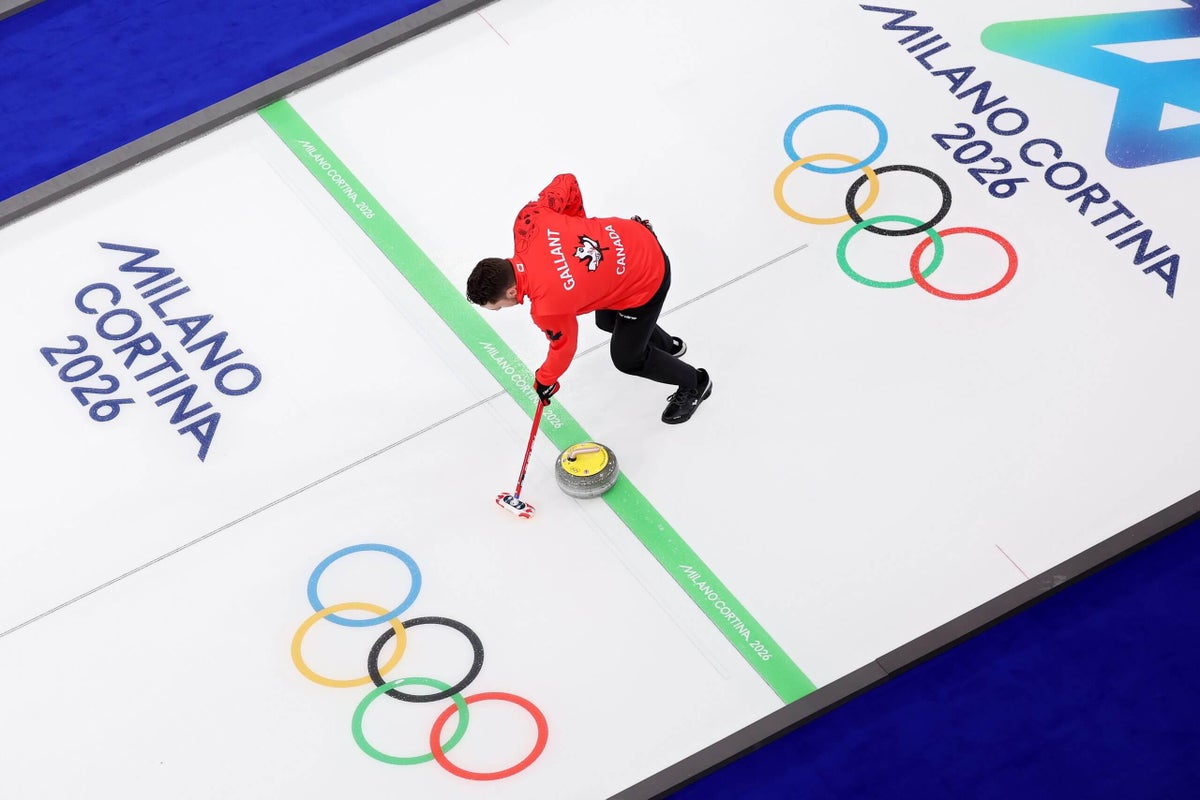
Curling’s Olympic Cycle: Strategy, Innovation, and Media Visibility
Curling holds a unique position within the global sports landscape, existing largely outside mainstream media coverage for much of the four-year cycle between Winter Olympic Games. This pattern of cyclical visibility creates a distinct challenge for sports federations, which must leverage the limited window of international attention to build sustained interest and explain the intricacies of the sport’s strategic depth to a broad audience.
The phenomenon of sports becoming high-profile only during major global events, such as the Olympics, is common for disciplines that lack a consistent professional league structure or widespread broadcast presence in key markets. For curling, this creates a situation where the general public’s understanding often restarts every four years, necessitating a structured approach to media education and strategic communication during the Games.
The Strategic Imperative of Rule Modification
To capitalize on this temporary surge in attention, sports governing bodies often implement strategic innovations designed to enhance the spectacle and accessibility of the game. The introduction of specific disciplines, such as mixed doubles, into the Olympic program, represents a concerted effort to optimize the sport for broadcast media and appeal to a wider demographic.
Within the context of mixed doubles, the development and implementation of specific rules, like the ‘power play,’ serve as a clear example of this strategic evolution. While the specifics of the power play involve technical adjustments to stone positioning during certain phases of the match, its institutional purpose is to introduce dynamic shifts in gameplay. This type of rule modification is common in sports seeking to increase viewer engagement by creating moments of heightened tension and strategic complexity that are more immediately understandable to a novice audience.
Institutional Logistics and Global Governance
The operational framework required to support a global sport like curling during a major event highlights the importance of institutional standards and infrastructure. This extends beyond the rules of engagement to include the physical elements of the competition itself, such as the specialized equipment required for play.
The origin and manufacturing process of curling stones, for instance, are deeply embedded in specific historical and geographic contexts. The consistent sourcing of high-quality granite from specific quarries demonstrates a long-standing reliance on specialized supply chains. This adherence to specific material standards ensures consistency across competitive environments and reinforces the institutional requirements for maintaining the integrity of the game at the highest level.
The Media Challenge: Translating Complexity for Mass Consumption
The challenge for sports media and broadcasters during the Olympics is to effectively translate complex strategic decisions—such as the purpose of sweeping or the nuances of the power play—into digestible explanations for an audience that may not follow the sport regularly. The objective is to bridge the gap between dedicated experts and casual viewers, providing context that deepens appreciation for the athletes’ skill without overcomplicating the broadcast.
The media cycle surrounding the Winter Olympics often involves extensive pre-event content creation, including videos and explainers, designed to rapidly educate viewers on rules and terminology. This content production, particularly during the lead-up to events like Milano-Cortina, is essential for converting temporary interest into meaningful engagement with the sport’s strategic dimensions. For many spectators, these educational efforts clarify complex actions and increase the overall enjoyment of the competition by providing context for the strategic choices made by teams during gameplay.
Future directions for sports governance involve balancing the preservation of traditional elements with the need for modern rule modifications. The power play and mixed doubles disciplines illustrate a proactive approach to maintaining relevance in a highly competitive global sports market, where audience engagement dictates media and sponsorship value.