Snowboard Big Air: Qualification Dynamics and National Strategy
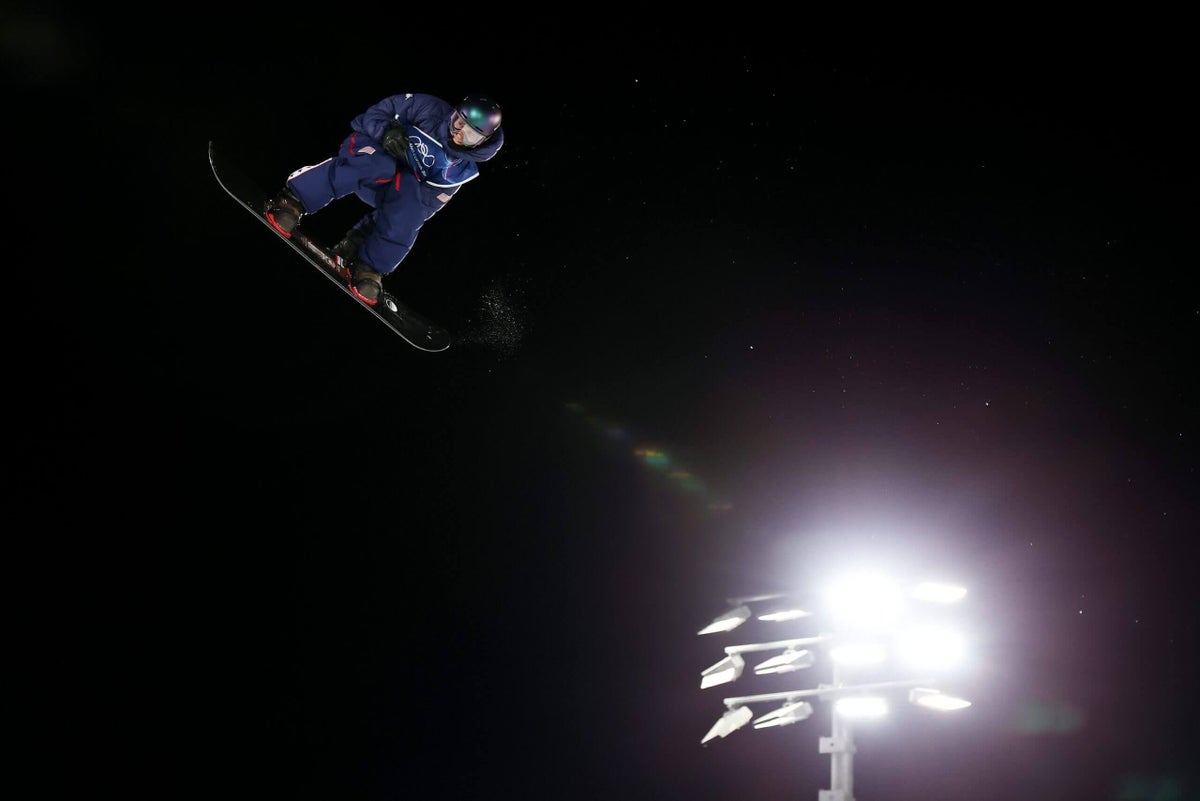
The competitive snowboard circuit continually brings together top athletes in various disciplines, with qualifying events serving as critical junctures in the pursuit of major international championships. One such recent event took place in Livigno, Italy, where snowboarders competed in the Big Air discipline, a demanding test of aerial prowess and technical skill. These qualifying rounds are fundamental to determining which athletes advance to the final stages of prestigious competitions, including those that pave the path towards major events like the Winter Olympics 2026.
The Big Air discipline operates under a structured format designed to assess a wide range of athletic capabilities and creative expression. Competitors typically execute multiple jumps, aiming to achieve high scores based on criteria such as the height and distance of the jump, the complexity and number of rotations, the style and execution of the grab, and the precision of the landing. This multi-attempt system is a cornerstone of the format, allowing athletes to showcase their versatility and adapt their performance strategies throughout a given round to maximize their potential.
A key element of Big Air scoring involves a panel of judges, often comprising experienced former athletes or certified technical officials, who evaluate each jump against a pre-defined set of standards. This judging system is overseen by international sporting federations to ensure impartiality and consistency across events, with specific protocols for score aggregation. Athletes often aim to combine their best scores from a designated number of attempts or from specific categories of tricks, providing a sophisticated mechanism for individual performance to be aggregated into a final qualifying score that reflects overall skill.
This intricate scoring system underscores the technical and strategic depth required to succeed at the elite level, where consistency across multiple challenging maneuvers is paramount. The role of the technical delegate and head judge is crucial in applying these rules fairly, ensuring that the competitive environment remains equitable and that the performances are judged against a uniform standard, thereby maintaining the integrity of the competition.
American snowboarding talent Red Gerard found himself in a particularly competitive scenario during the Livigno event, needing to erase his initial jump score and pair a strong performance with his second-round mark of 83.50. This strategic need highlights the instant decision-making and pressure-packed environment inherent in high-stakes qualifying rounds, where every attempt carries considerable weight and tactical choices can significantly impact an athlete’s progression.
Despite these efforts and the pursuit of an optimal performance, reports indicate Gerard will not proceed to the Big Air finals, a development with which he is reportedly content. This circumstance illustrates the complex strategic decisions athletes face within the rigorous international circuit, where individual objectives can sometimes extend beyond the immediate outcome of a single competition. Such decisions might involve prioritizing long-term health, managing a demanding season schedule, or focusing on other upcoming events that are deemed more critical for broader career objectives or national team selection.
The physical infrastructure for Big Air competitions is itself a testament to the sport’s demanding nature and the extensive administrative planning involved in hosting world-class events. Athletes launch from substantial ramps, such as the one in Livigno, which was noted to be approximately 170 feet in height. These structures are engineered for specific take-off angles and landing zones, designed to facilitate spectacular aerial maneuvers while maximizing athlete safety through precise construction and snow maintenance protocols.
Constructing and maintaining such specialized structures requires significant logistical effort, strict adherence to international safety protocols, and meticulous coordination among event organizers, venue management, and international sporting federations. The design and condition of the course, including the quality of the snow, the landing slope, and the placement of safety netting, are critical factors continually assessed to ensure both optimal athlete performance and stringent well-being standards. This administrative oversight ensures a consistent quality for all competitors.
Athlete Pathways and Strategic Development
The journey of an elite snowboarder involves a sophisticated balance of individual ambition, rigorous training, and systematic support provided by national sports programs. Athletes must strategically manage their season, choosing which events to prioritize for qualification points and world rankings, maintaining peak physical and mental condition, and continually refining their repertoire of complex tricks. This strategic pathway is often guided by national sports federations that provide comprehensive resources and expert guidance, including specialized coaching, sports psychology, and medical support.
National sports federations operate within a complex ecosystem of funding and resource allocation, often drawing from a mix of government grants, private sponsorships, and membership fees. These institutional frameworks are vital for talent identification, nurturing promising athletes from grassroots levels through to elite international competition. The strategic deployment of these resources directly impacts a nation’s ability to develop and sustain competitive strength across various disciplines.
The dynamics of national sporting excellence were prominently featured in Livigno, particularly with the performance of Japan’s Hiroto Ogiwara, who achieved the top position in the Big Air qualifying scoreboard. This achievement underscores a broader trend of national success in snowboarding, suggesting that a country’s sustained institutional investment, strategic focus, and comprehensive development programs can significantly elevate its athletes’ global standing across various disciplines.
The observation that “Japan’s mastery in snowboarding might very well go beyond the halfpipe” implies a strategic expansion of national sporting programs and a diversification of competitive focus. Historically, nations often develop strong legacies in particular disciplines due to concentrated resource allocation, specialized coaching expertise, and effective talent identification systems that funnel athletes into proven pathways. The deliberate effort to diversify success into additional categories like Big Air reflects an evolving national strategy to broaden and deepen its overall competitive advantage in winter sports.
Such a strategic shift involves the systematic development of athlete progression pathways, beginning with robust grassroots recruitment programs and advancing through dedicated national training centers that offer state-of-the-art facilities and cutting-edge sports science support. It also necessitates tailored coaching methodologies specifically designed for different disciplines and increased international competitive exposure for aspiring and elite athletes alike. National sports federations play a crucial coordinating role in orchestrating these multi-layered efforts, ensuring a continuous pipeline of talent capable of competing at the highest levels across multiple snowboarding disciplines, thereby sustaining long-term national dominance.
The success of athletes like Ogiwara is not merely an individual triumph but also a direct reflection of a robust national sports infrastructure. This comprehensive framework typically includes substantial funding for elite athlete development, access to state-of-the-art training facilities that simulate competitive conditions, advanced sports science support for performance optimization and injury prevention, and integrated psychological conditioning. These institutional pillars are indispensable for enabling athletes to push the boundaries of their sport and consistently perform under intense international scrutiny, ultimately contributing to a nation’s global reputation in sports.
The Global Sporting Ecosystem
Events such as the Big Air qualification in Livigno are integral components of the broader Olympic cycle, which spans multiple years and involves numerous preparatory stages and qualifying windows. For athletes and national federations, these competitions are not isolated events but crucial steps in a meticulous long-term plan aimed at achieving peak performance at major championships, including the Winter Olympics. Each competition provides valuable experience, contributes to world ranking points, and offers an opportunity to refine competitive strategies, with specific criteria established by international federations for Olympic quota allocation.
The international governance structure of snowboarding, involving global federations such as the International Ski and Snowboard Federation (FIS), plays a pivotal role in setting the overarching standards for competition rules, athlete eligibility, and event sanctioning worldwide. These governing bodies ensure consistency across events, fairness in judging through standardized protocols, and the overall integrity of the sport. Their rigorous oversight is critical in maintaining a predictable and equitable competitive environment, thereby allowing national federations and individual athletes to plan their progression effectively towards major international goals.
Media narratives frequently emerge from consistent national performance, shaping public perception, influencing sponsor engagement, and ultimately impacting the broader sporting landscape. When a nation consistently produces top-tier athletes across various disciplines, as suggested by Japan’s performance in Big Air, it solidifies a formidable international reputation for excellence. This narrative not only inspires future generations of athletes and encourages participation at grassroots levels but also attracts further investment and media attention to the sport, significantly elevating its profile globally and enhancing its commercial viability.
The interplay between individual athlete performance, the strategic decisions made by national sports organizations, and the overarching framework of international sports governance profoundly defines the landscape of elite competitive snowboarding. These interconnected elements collectively contribute to the high-stakes environment of qualifying rounds and the long-term pursuit of excellence on the global stage, continually pushing the sport’s boundaries, refining its competitive standards, and solidifying its place within the broader international sporting spectacle.