The Milano Cortina 2026 Olympic Winter Games: A Global Sporting Convergence
The Olympic Winter Games Milano Cortina 2026 represent a pinnacle event in the international sports calendar, bringing together athletes from around the globe to compete under the auspices of the International Olympic Committee (IOC).
Organizing an event of this magnitude involves a complex administrative framework, requiring extensive coordination among the host cities’ authorities, various National Olympic Committees (NOCs), and a multitude of International Federations (IFs) responsible for individual sports disciplines.
Within this overarching structure, specific sport tournaments, such as ice hockey, are meticulously governed by rules and regulations established by their respective International Federations, notably the International Ice Hockey Federation (IIHF), in close collaboration with the IOC to ensure adherence to Olympic charters and sporting integrity.
Men’s Ice Hockey Tournament: A Significant Return of NHL Participation
The men’s ice hockey tournament stands as a highlight within the Olympic program, renowned for showcasing elite international talent.
A notable development for the Milano Cortina 2026 Games is the anticipated return of active players from the National Hockey League (NHL), marking a significant shift in the competitive landscape and player availability not seen since the 2014 Sochi Olympics.
This return is facilitated by intricate institutional and administrative agreements between the NHL, the National Hockey League Players’ Association (NHLPA), the IIHF, and the IOC, which meticulously address critical elements such as player insurance, potential disruptions to league schedules, and the financial implications of participation.
The structural implications of NHL player involvement are profound, elevating the tournament’s competitive balance and significantly enhancing its global prestige and media visibility, as the inclusion of the world’s premier professional athletes invariably attracts broader fan interest.
The men’s tournament typically follows a structured format, involving 12 national teams that each play three preliminary games, with performance determining progression into a subsequent elimination or knockout stage. This design is standard for major international championships, ensuring competitive grouping and a clear pathway toward medal contention.
Women’s Ice Hockey Tournament: The U.S. Team’s Campaign Commences
Alongside the men’s event, the women’s ice hockey tournament is a central feature of the Olympic program, consistently delivering high-caliber international competition.
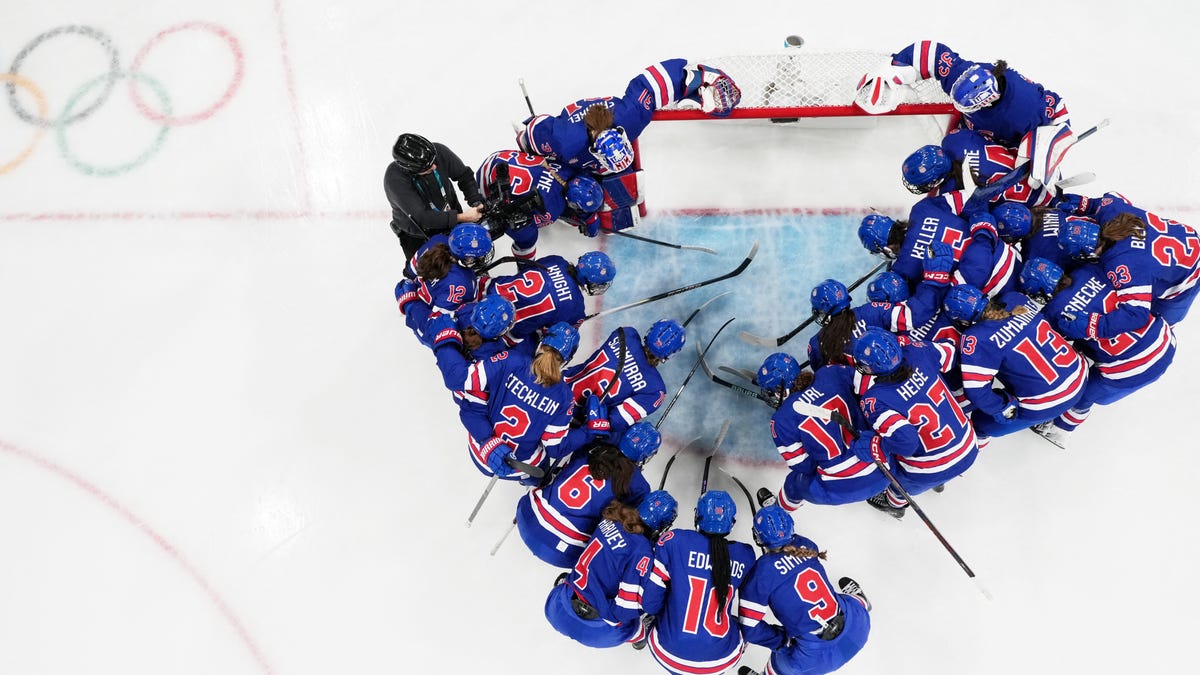
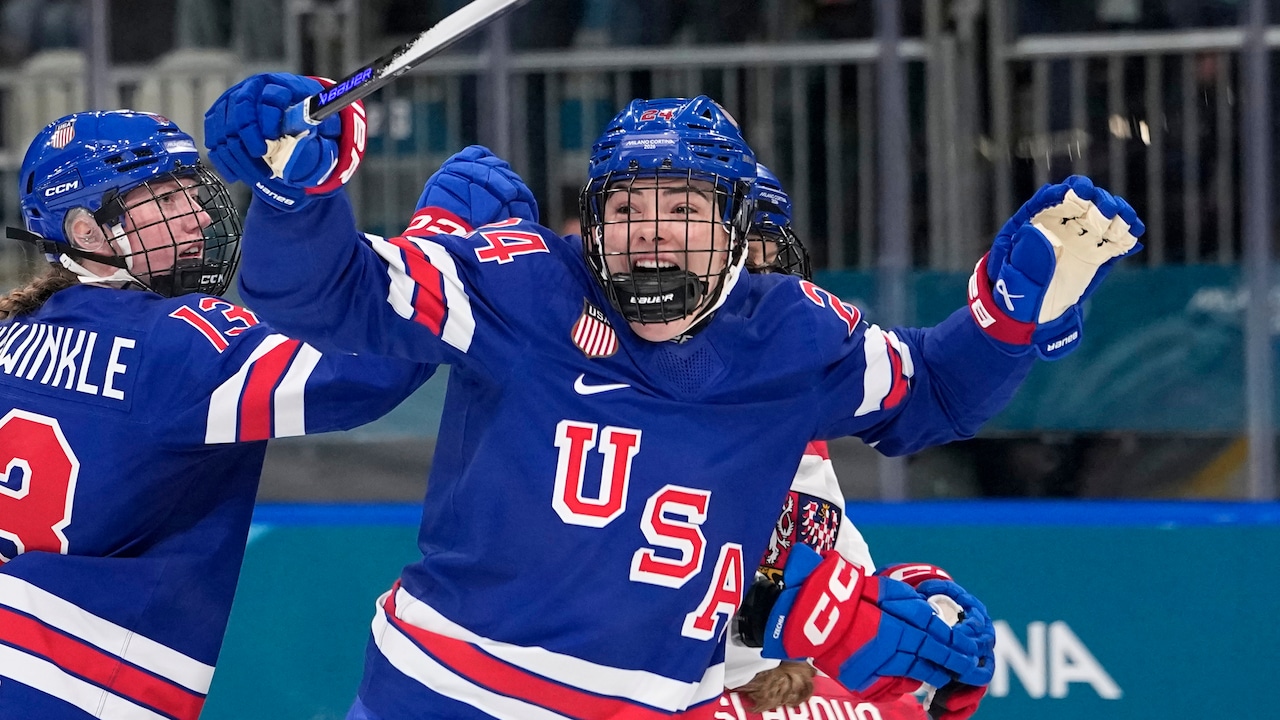
The U.S. women’s hockey team, led by Captain Hilary Knight, is poised to commence its campaign, navigating the preliminary rounds with the stated objective of pursuing a medal position.
Their initial challenge in the preliminary phase includes a key matchup against Finland, a fixture that is part of the initial tournament design intended to establish team standings and determine seeding for subsequent stages.
These preliminary round games hold considerable structural significance within the tournament format; they are crucial for teams to acclimate to the competitive environment, refine their tactical systems, and build essential momentum before advancing to the more intense knockout rounds.
The preparation for such a high-stakes international tournament involves extensive administrative and technical processes undertaken by national teams, encompassing rigorous roster selection, intensive training camps, and sophisticated tactical development, all meticulously overseen by their respective national federations.
Tournament Logistics and Global Broadcast Reach
The U.S. women’s team’s preliminary game against Finland is scheduled for Saturday, February 7, 2026, and will take place at the Milano Rho Ice Hockey Arena, a purpose-built or adapted facility designed to meet stringent international competition standards.
Specialized Olympic venues, such as the Milano Rho Ice Hockey Arena, are integral components of the host city’s infrastructure plan, developed through extensive collaboration among the IOC, the organizing committee, and relevant international sports federations to ensure optimal conditions for athletic performance and spectator experience.
The global media distribution system for the Olympic Games is highly sophisticated; broadcast rights are centrally managed by the IOC, which then strategically licenses them to various media partners across different territories to maximize global reach.
The availability of multi-platform broadcasting, exemplified by live streaming options on services like Peacock alongside traditional free-to-air television coverage, underscores a strategic approach to maximize viewership across diverse demographic and geographic audiences, aligning with contemporary media consumption trends.
These comprehensive broadcast agreements are fundamental to the financial model that sustains the Olympic movement, providing critical revenue streams that support the operational budgets of international sports federations, funding sports development programs, and facilitating the organization of future global events.
The Strategic Importance of Preliminary Rounds
Preliminary rounds in a major international tournament are not merely initial matchups but strategically vital components of the competition structure.
They provide teams with opportunities to test their formations, adapt to the competitive environment, and assess opponents without the immediate, high-stakes pressure of an elimination scenario.
Performance during these initial stages directly influences a team’s pathway through the tournament, typically determining quarter-final pairings and potentially securing more favorable matchups by avoiding early encounters with top-ranked teams, which is a crucial strategic advantage.
From an institutional perspective, the preliminary round structure embodies principles of fair play and progressive competition, ensuring a balanced and methodical advancement through the tournament that adheres to established international sports governance frameworks for multi-team events.
Governance and the International Ice Hockey Federation (IIHF)
The International Ice Hockey Federation (IIHF) serves as the undisputed global governing body for ice hockey, holding central authority for the sport’s worldwide development and regulation.
Its responsibilities encompass setting and enforcing the official rules of the game, sanctioning all major international competitions, and overseeing the sport’s growth initiatives across its member nations.
Within the specific context of the Olympic Games, the IIHF works in close administrative and technical partnership with the IOC, ensuring that all aspects of the hockey tournaments, from officiating standards to anti-doping protocols, align with both established sporting regulations and the overarching Olympic Charter.
The Olympic Platform: Reputation, Development, and Visibility
The Olympic Winter Games stand as the paramount global platform for ice hockey, providing unparalleled international visibility for both the men’s and women’s competitions.
Participation in these high-profile events significantly enhances the institutional reputation of national hockey programs and directly supports broader development initiatives spearheaded by the IIHF and individual national federations.
The substantial global exposure generated by Olympic competition plays a crucial role in attracting new participants to the sport and fostering increased public and media engagement, thereby underpinning long-term growth and sustainability strategies for ice hockey worldwide.